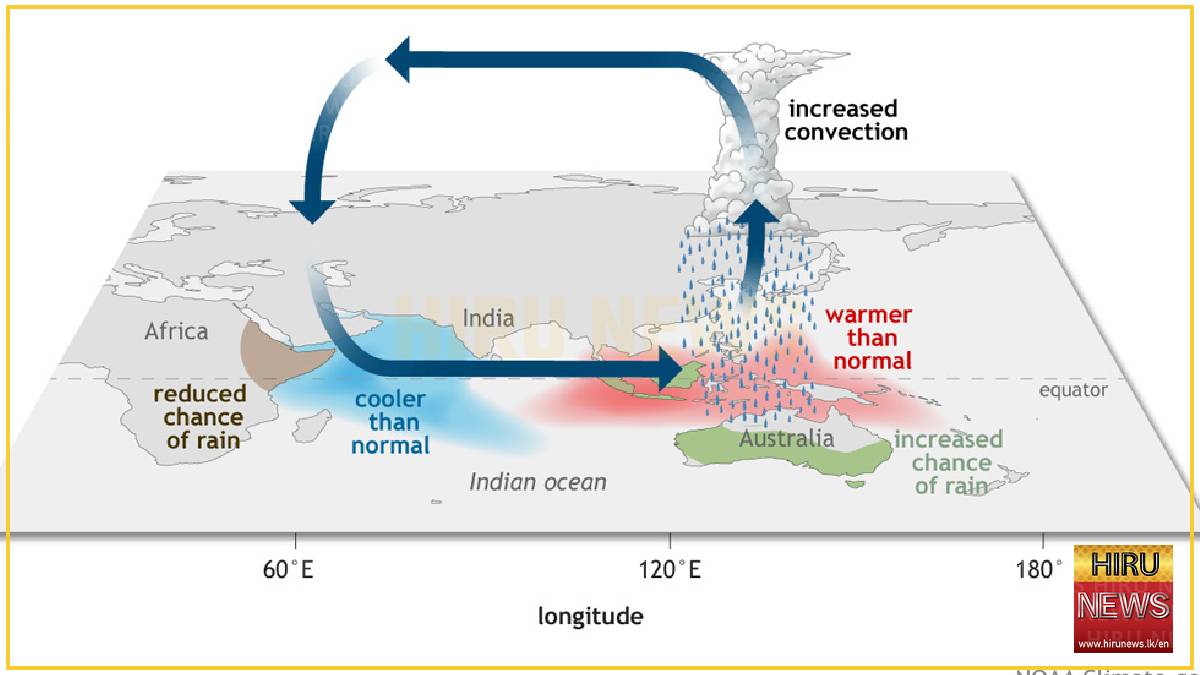
Marc-André Franche, the United Nations Resident Coordinator in Sri Lanka, has warned that the combined effect of El Niño and the Indian Ocean Dipole (IOD) on the island remains highly uncertain, and that the country should prepare for several possible outcomes rather than a single forecast, Hiru News reported.
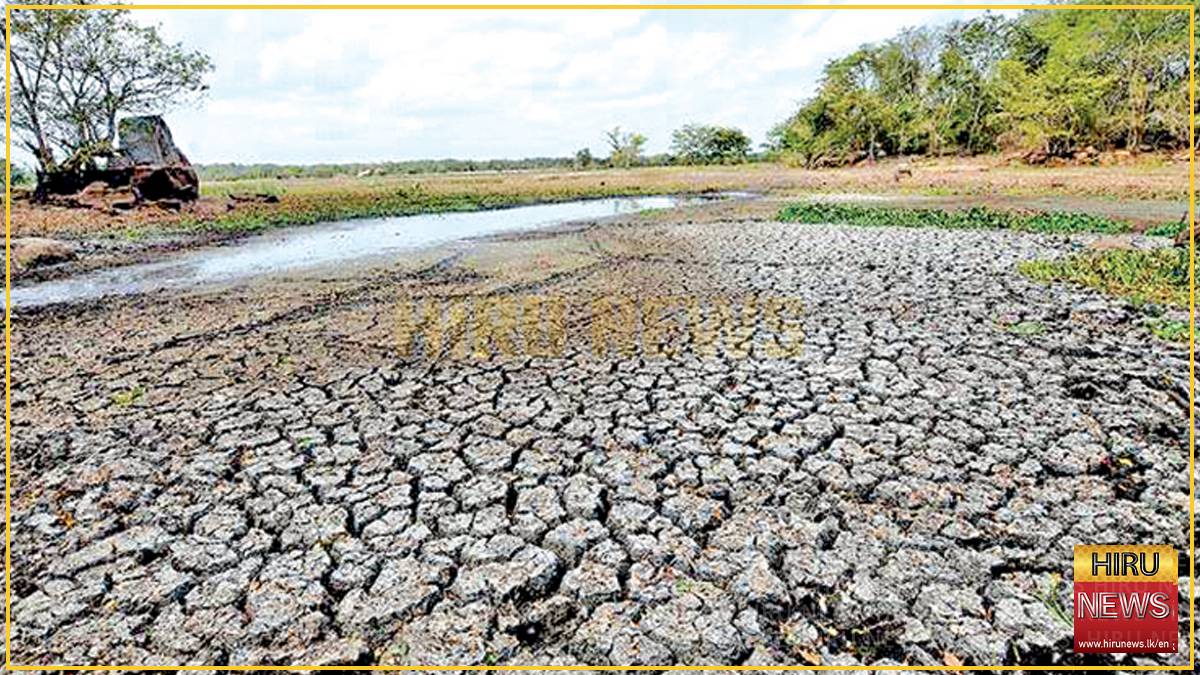
The two patterns can counteract each other, he said, which is what makes their joint impact hard to predict. The most likely scenario at present is a period of drought and high temperatures followed by heavy rainfall — but he stressed that the reverse sequence, a mixture of conditions, or neither phenomenon producing a significant effect all remain possible.
Franche said the UN and the Food and Agriculture Organization (FAO) have prepared a detailed paper modelling different climate scenarios specifically for Sri Lanka, which could be put before Parliament or another forum.
Districts, not a national plan
Because the outcome is uncertain, Franche argued for a district-by-district approach instead of one national response. He named Anuradhapura as a district where flood-prevention measures would matter, and Monaragala as one needing drought preparedness. Some districts, he said, will have to prepare for both. In all, he put 15 to 16 of Sri Lanka’s 25 districts in the priority group for the coming months.
He said the response is not necessarily a question of new money, but of using existing budgets, staff and institutional capacity differently — while acknowledging that additional resources would still be needed.
Franche also pressed for timely, clear information to reach District Secretaries, Land Commissioners, Divisional Secretaries, farmer organisations and herders so they can set planting schedules. Planting too early or too late, he warned, risks crop failure and forces farmers to replant.
The two districts he named are already in trouble
Franche’s district priorities map closely onto the districts currently in crisis. As of 20 September the Disaster Management Centre counted 169,071 people across ten districts hit by the dry spell, with Monaragala the worst affected at 42,565 people from 13,062 families across seven Divisional Secretariat Divisions. Anuradhapura is on that same drought register.
At the same time, six districts are under Level 3 Red landslide warnings after heavy rain. The “prepare for both” condition Franche described as a planning scenario is, in two of the districts he named, already the situation on the ground.
Not just a weather problem
Franche said climate risk cannot be separated from Sri Lanka’s other pressures, citing the economic situation, tensions in the Middle East, shipping restrictions affecting the Strait of Hormuz, and China’s export restrictions on fertiliser. He noted oil was trading around US$95 a barrel on the day of the discussion.
He called for a whole-of-government response, suggesting Sri Lanka diversify fertiliser supply arrangements through its diplomatic missions and accelerate renewable energy adoption to cut dependence on imported fuel. The UN, he said, is prepared to support a Parliamentary Climate Committee discussion or a wider roundtable, and to bring in its own specialists.
When these remarks were made
These are not new comments made this week. They come from the 41-minute recording of Franche’s 3 September meeting with Opposition Leader Sajith Premadasa, which Premadasa released in full on 20 September after separate remarks by the envoy about the Opposition began circulating. Our report on that release listed “climate preparedness” as one of the meeting’s four subjects without being able to say what was discussed; this is that portion of it.
The timing matters in one respect: Franche described drought-then-heavy-rain as the most likely sequence on 3 September, before the dry-weather toll climbed past 169,000 and before the current Red landslide warnings were issued.
Not reported
Hiru does not say when the UN-FAO scenario paper was completed, whether it has been formally handed to the Government, or whether any minister has responded to it. It does not name the 15 to 16 priority districts, give the paper’s rainfall or temperature ranges, or say what the UN’s offered technical assistance would cost or who would fund it.
It does not say whether a Parliamentary Climate Committee exists or has been proposed, whether the Government has taken up the roundtable offer, or what China’s fertiliser export restrictions cover and how much of Sri Lanka’s supply they affect.
No other verified newsroom had filed on the climate-preparedness portion of the recording at the time of writing.