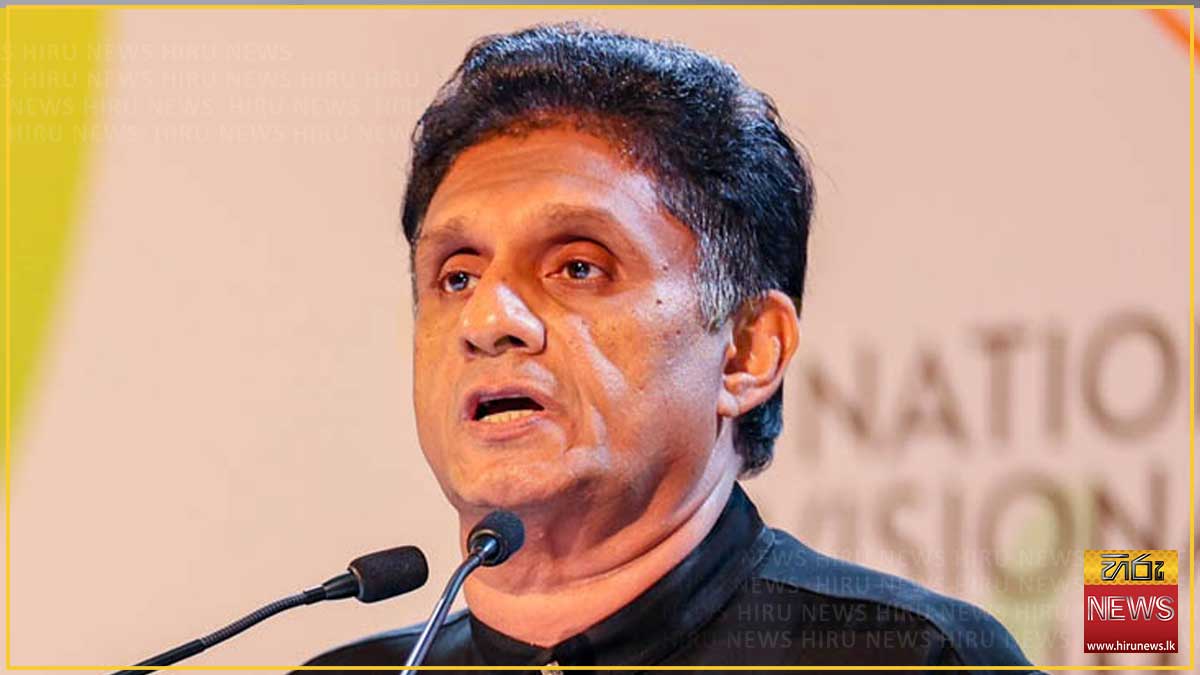
Opposition Leader Sajith Premadasa told Parliament on Wednesday that the 22nd Amendment to the Constitution destroys democracy and places pressure on the independence of the judiciary, a day before the House begins its formal two-day debate on the bill.
Premadasa said the government had come to power promising a system change under a social contract with the people, but that turning the judiciary into a servant of the executive does not constitute a system change, Hiru News reported.
He accused the administration of weakening democratic institutions, the separation of powers, and checks and balances, and said the country was being steered from democracy towards authoritarianism. The government, he argued, is damaging the institutional framework that protects fundamental rights and moving Sri Lanka towards single-party rule. He said the process would be recorded in constitutional history, and that the present government and president would go down in it as assassins of democracy.
Beyond the amendment
Premadasa widened his remarks to the government’s economic record, urging ministers to go among the people rather than rely on favourable international ratings, which he said cannot by themselves resolve public grievances.
He noted that paddy still lacks a guaranteed price of Rs. 150, and called for attention to the difficulties facing three-wheeler drivers, the self-employed and small entrepreneurs. He also said industrialists are leaving the country for want of an environment and action plan conducive to foreign direct investment and exports, and urged the government to address the position of young people awaiting employment opportunities in Israel.
What happens next
The second reading debate on the 22nd Amendment and the Judicature (Amendment) Bill is set for Thursday 24 and Friday 25 September, with the vote expected at 7.00 p.m. on Friday. The Supreme Court has determined that the amendment requires a two-thirds parliamentary majority but no referendum.
The Bar Association of Sri Lanka has separately asked every party to allow its MPs a conscience vote, arguing the court ruled only on how the amendment may be enacted, not on whether it should be.