Around 80% of Sri Lankan children surveyed do not brush their teeth twice a day, according to findings presented by the Health Promotion Bureau, which also recorded high rates of excess screen use, inadequate sleep and limited involvement by fathers.
The figures come from a study conducted jointly by the Health Promotion Bureau, the Family Health Bureau, the University of Colombo and UNICEF, Hiru News reported.
What the survey found
- 80% of children surveyed do not brush their teeth twice a day.
- More than 64% of children under the age of five spend more time on mobile phones, tablets, computers and similar devices than the study’s recommended duration.
- Around 43% of those children were fed while using a digital device.
- Around 32% of children were not getting what the study identified as an adequate amount of daily sleep.
- Around 47% of fathers were found to have limited close engagement with their children.
The study drew on children and families, preschool teachers and 55 childcare centres across four provinces.
The response
Authorities are implementing the STEP-UP Early Childhood Development Programme, which the Health Promotion Bureau describes as a 2026 national programme to promote healthy behaviours in early childhood. It includes work to strengthen health-promotion practices in preschools and to create healthier environments for children.
The programme is being tied to National Children’s Week, observed in Sri Lanka from 25 September to 1 October, with activities centred on children’s health, protection and wellbeing.
Why the screen findings carry weight
The 43% figure — children fed while looking at a screen — is the one that connects the survey’s separate strands. Feeding at a screen is associated with children eating without registering fullness, and it displaces the back-and-forth between adult and child that early language development depends on. Read alongside the finding on fathers’ engagement, the survey is describing a shift in how time with young children is being spent, not simply a dental hygiene problem.
What is not stated
The report does not name the survey, give the period it covers, state the total sample size or name the four provinces. It does not say what daily screen time or sleep duration the study treated as adequate, which matters for interpreting the 64% and 32% figures, nor how “limited close engagement” by fathers was measured. No margin of error or publication reference is given.
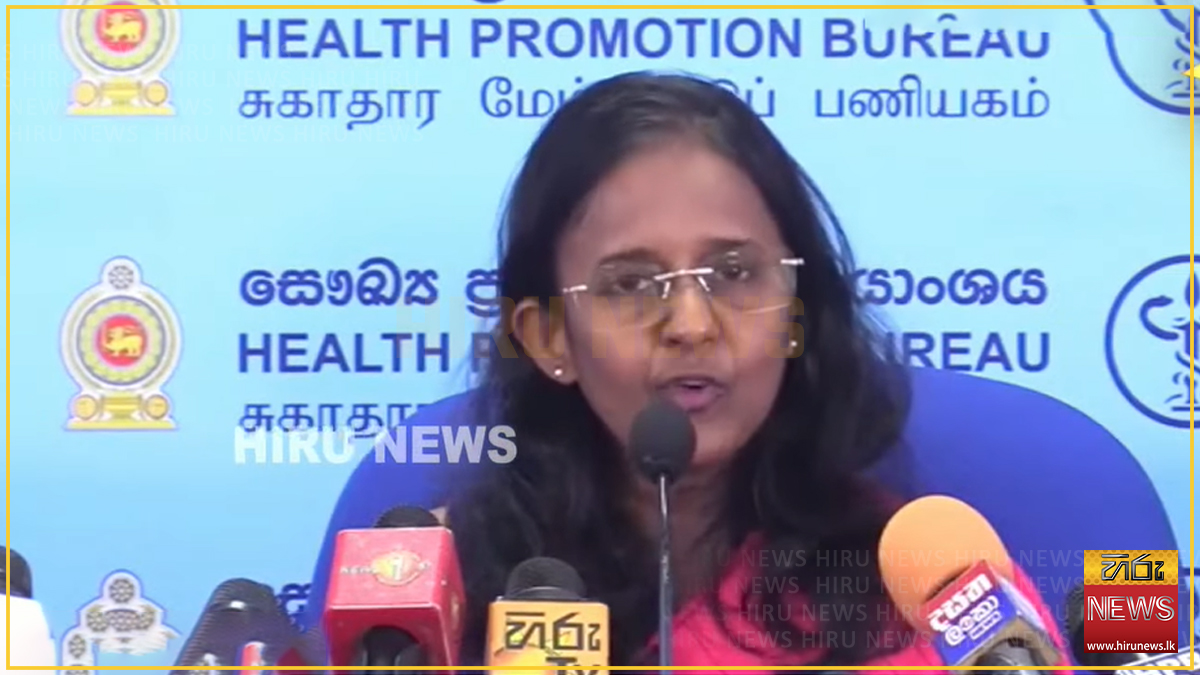
The findings were presented at a Health Promotion Bureau media briefing, as the photograph accompanying Hiru’s report shows. Hiru News is the only verified newsroom whose report of the briefing could be retrieved; no other verified outlet had carried the figures at the time of writing, and they have not been independently confirmed against the underlying study.