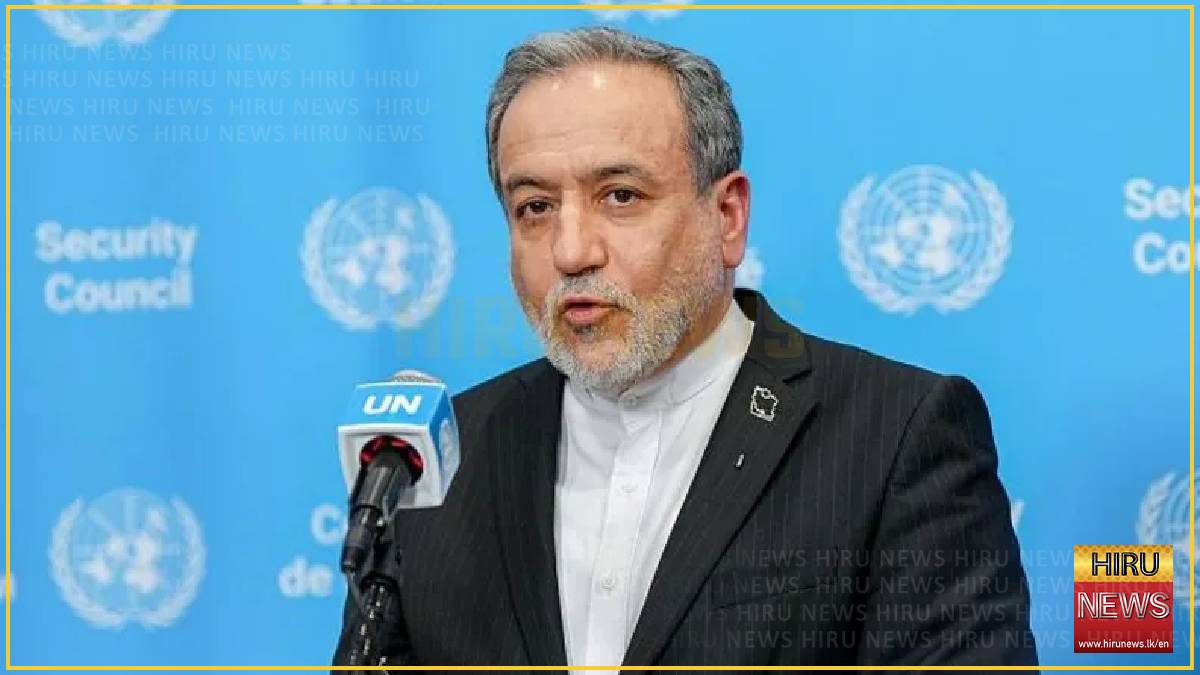
Iran has proposed a deal that would see the Strait of Hormuz reopened within seven days, Foreign Minister Abbas Araghchi said at the United Nations in New York on Friday — an offer the Wall Street Journal reports President Donald Trump has already rejected.
Araghchi said the strait could reopen “if the necessary conditions are met,” and that those conditions are already contained in the memorandum of understanding signed in June. The plan was delivered to Washington through Qatari mediators.
“The choice now rests with the United States,” he said, in an account carried by the Daily Mirror and Hiru News from BBC reporting. “If there is seriousness in the US side to come to a deal and reopen the Strait of Hormuz, everything is now prepared.”
Washington says it is “not in a rush”
A US official told the BBC that positive discussions were under way through mediators, including on nuclear issues — but added that the US was “in a very strong position with control of the Strait of Hormuz, so we are not in a rush.”
The Wall Street Journal went further on Friday, reporting that Trump has turned the proposal down and told aides he expects to resume bombing after the November congressional elections, Hiru reported, carrying Reuters copy. The Journal cited unnamed US officials and said Trump was privately sceptical Iran would meet his demands. Reuters said it could not independently confirm the report. Earlier in the week Trump had threatened to “annihilate the Islamic Republic.”
What the June MOU contains
The 14-point memorandum, signed on 18 June, states that Iran will never have a nuclear weapon and that the US, Iran and their allies would end military operations on all fronts. It provides for an end to the US naval blockade and for sanctions relief, and commits Iran to use its best efforts to ensure safe passage of commercial vessels through the strait and to hold talks with Oman on future shipping arrangements.
Araghchi said acceptance would trigger wider talks “on mutually agreed subjects,” with hostilities ending on all fronts including Lebanon. President Masoud Pezeshkian told CBS News the ceasefire “will begin from the very day they accept it,” and said Iran would now allow UN nuclear inspectors into the country.
Why it matters in Colombo
The war began on 28 February with US and Israeli strikes; Iran retaliated against Israel, US bases in the Gulf and Arab Gulf states, and blocked the Strait of Hormuz. Around 20 percent of the world’s oil and liquefied natural gas passed through the strait before the closure, which has driven sharp swings in energy prices — the direct channel through which the seven-month conflict reaches Sri Lanka’s fuel import bill and inflation outlook.
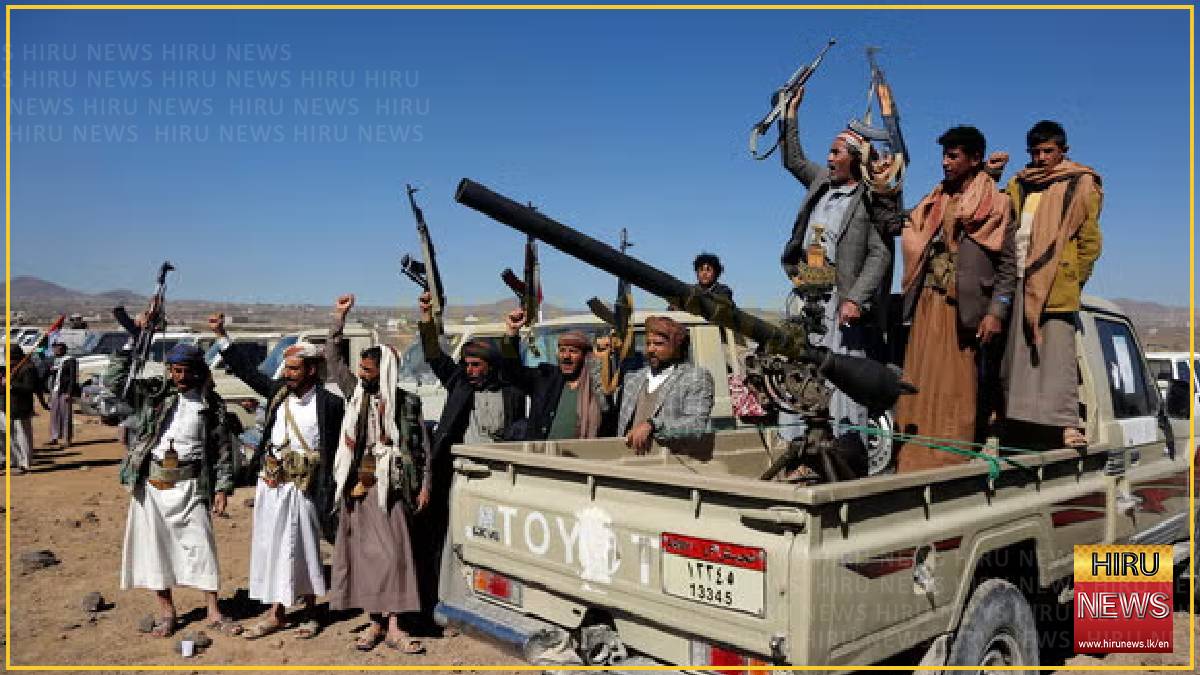
The offer follows Iran’s seven conditions for talks conveyed through Qatar earlier this month, and comes as Saudi Arabia’s allies line up against mounting Houthi attacks.
Not reported
Araghchi did not specify what steps Iran wants Washington to take, saying only that “the actions that the United States should take are not new. They are all already in the MOU.” No US official has publicly confirmed or denied the Journal’s account of a rejection, and no date is given for any further round of mediated talks. Note that Reuters renders the foreign minister’s name Araqchi; this report uses the BBC spelling.