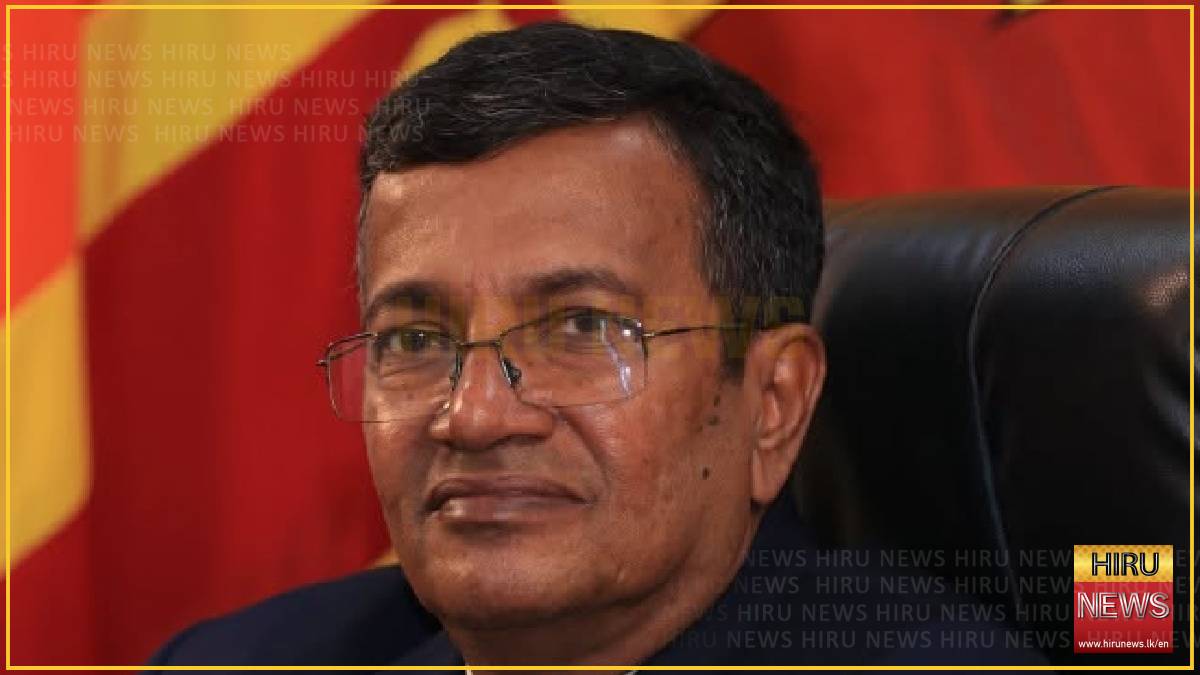
Renewable energy projects are being approved only after environmental assessments are completed, with mitigation measures attached where needed, Deputy Environment Minister Anton Jayakody has said — a response to criticism that the government’s generation drive is outrunning its environmental scrutiny.
The government’s push to expand renewables would not come at the expense of environmental protection, Jayakody said in remarks reported by Hiru News. Each project is subject to the relevant environmental feasibility assessment before implementation.
Ibbankatuwa: 5% of the water surface
On the solar project at the Ibbankatuwa tank in Dambulla, Jayakody said panels would cover only around 5% of the tank’s surface area, a limit set to contain environmental impact. He further claimed the covered area could create conditions suitable for fish breeding, potentially supporting fish populations in the tank.
That claim is the deputy minister’s and is not independently established in the report. Shading a water surface reduces light and heat reaching it, which changes algal growth and oxygen levels — effects that can cut either way for fish, and which are the reason floating solar installations are normally assessed on a site-by-site basis rather than by a single percentage rule.
The Ibbankatuwa project has a contested history: it was previously suspended over concerns about whether the required environmental feasibility studies had been completed, before being finalised. The 5 MW floating plant at the tank was connected to the national grid this month.
Waste to energy, and Karadiyana
Several pilot projects converting waste into energy have begun, Jayakody said, though waste-to-energy is not the government’s primary focus in expanding generation. He said plans were under consideration to raise electricity generation from the Karadiyana landfill to an estimated 20 megawatts.
Such generation would make only a limited contribution to national supply, he acknowledged, but argued the projects carry environmental benefits — and said they could potentially help mitigate human-elephant conflict, a reference to the garbage dumps near protected areas that draw elephants into settled land.
Where the capacity is coming from
The government is concentrating mainly on solar, wind and hydropower, the deputy minister said, noting that Sri Lanka’s hydropower potential has largely reached its ceiling while significant headroom remains in solar. The broader objective, he said, is to reduce reliance on diesel and coal-fired generation over time.
Context
The remarks land amid sustained friction over energy policy. The solar industry has complained of new directives putting sector jobs at risk, new rooftop systems have been restricted to the Net Plus scheme, and the Energy Minister has said there is no timeline for the tariff cuts the build-out is meant to deliver.
Not reported
Hiru News describes the remarks as made “to a local media outlet” without naming it. No timeline or cost is given for the Karadiyana expansion, no agency is named as conducting the assessments, and the report does not say who made the criticisms the deputy minister was answering. No other verified newsroom had carried the remarks at the time of writing.