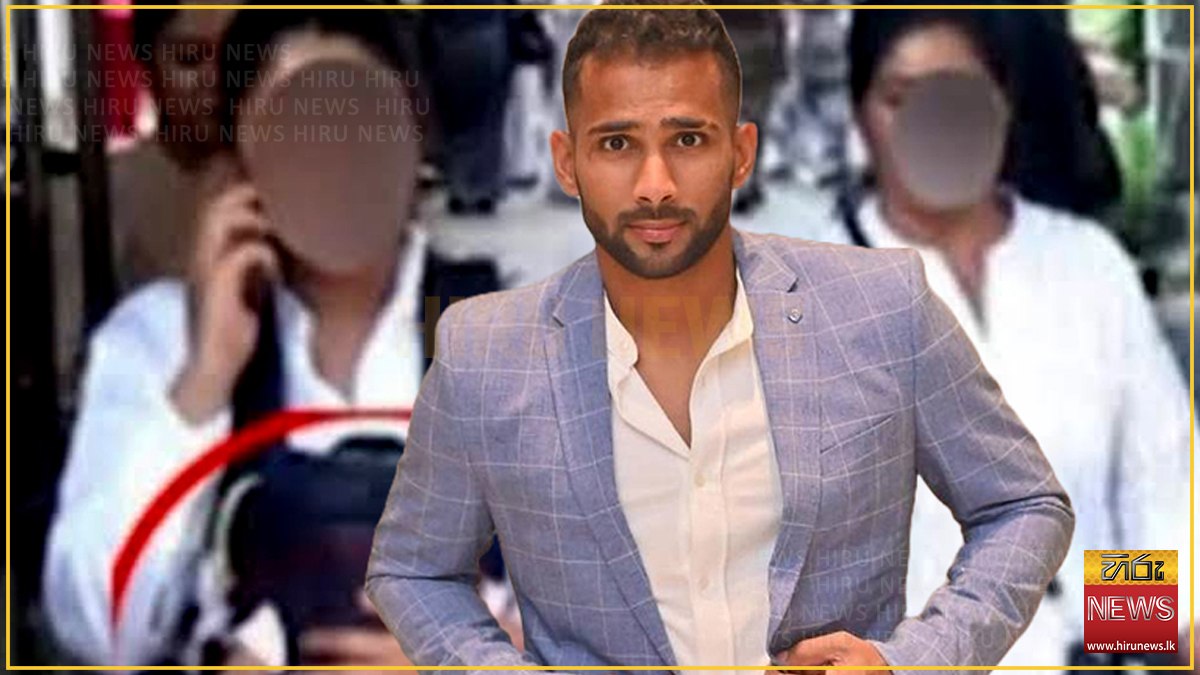
A draft Bill to rebuild the governance structure of Sri Lanka Cricket would create a 14-member board, half of it independent directors, and take the chairmanship out of direct election. The Ministerial Consultative Committee on Youth Affairs and Sports was told arrangements are under way to gazette the legislation and present it to Parliament.
The matter was discussed at a meeting of the committee chaired by Youth Affairs and Sports Minister Sunil Kumara Gamage, the Daily Mirror reported.
How the board would be built
Under the framework, seven independent directors would sit alongside seven elected directors. The chairperson would be drawn from the independent directors and chosen by a majority vote of the board, rather than being elected separately as at present, Hiru News reported.
Independent directors would be drawn from six professional backgrounds:
- senior chartered accountants
- experienced attorneys-at-law
- former international cricketers
- information technology experts
- marketing professionals
- individuals with corporate or governance standing
At least two must be women. Terms run four years, capped at two terms. A seven-member nomination committee — drawing representatives from the Institute of Chartered Accountants of Sri Lanka, the Bar Association of Sri Lanka and the Ceylon Chamber of Commerce — would evaluate and propose candidates.
Who would be shut out
The Bill sets disqualification criteria barring politicians, working journalists, media owners, sports equipment suppliers, player agents and anyone connected to betting or gaming businesses from board positions.
Anyone who served on the predecessor body’s executive committee, or as an elected official of a member club, could not become an independent director.
Separately, District Cricket Associations would no longer deal directly with Sri Lanka Cricket in decision-making, operating instead through Provincial Cricket Associations.
Wickramaratne makes the public case
SLC Transformation Committee chairman Eran Wickramaratne set out the reasoning the same day, saying cricket belongs to the public and not to any individual or administrative board, and that the reforms place the administration under a principle of public trusteeship.
“We need to create an independent and expert management… We take policy decisions, while we build the management independently so they remain continuously, providing continuity and longevity,” he said, the Daily Mirror reported.
He rejected what he called misconceptions that the cricket body was exempt from transparency requirements, saying SLC is subject to national auditing and financial regulations, including the Right to Information Act. Affiliated district associations, provincial bodies and clubs would also have to comply with financial and governance rules, with no tolerance for irregularities.
The committee has flagged pitch conditions and cricket infrastructure as needing urgent attention, along with coaching education, sports medicine and physiotherapy, sports psychology, and women’s cricket.
“All of us who work here are only here for a period of time… But the institution must go on, and cricket must continue forward,” Wickramaratne said.
Where this sits in the process
The draft constitution was with the Legal Draftsman’s Department at the end of August, with Cabinet approval, gazetting, presentation to Parliament, a Supreme Court determination and a final parliamentary vote still ahead. Wednesday’s disclosure puts it at the gazetting stage. ICC regulations require SLC to return to a democratically elected administration.
The Transformation Committee was appointed in April under Wickramaratne, with Kumar Sangakkara, Roshan Mahanama and Sidath Wettimuny among its members.
Also before the committee
The same meeting was told SLC allocates around Rs. 900 million a year, plus equipment, for school cricket, and that recruitment of coaches and player selection are to be formalised in consultation with the Education Ministry.
Of the sports associations reviewed against Auditor General recommendations, 33 have completed them and reports are awaited from another 33. The Ministry ordered fees for public use of walking tracks and sports complexes suspended with immediate effect, saying such facilities are a government responsibility rather than profit-making ventures. It also plans at least one synthetic running track per province — Sri Lanka currently has two — with Anuradhapura next.
Not reported
Neither outlet gives a gazette date, the Bill’s title, or how the seven elected directors would be chosen. Neither states how many clubs would retain voting rights under the new structure, or when elections would follow.