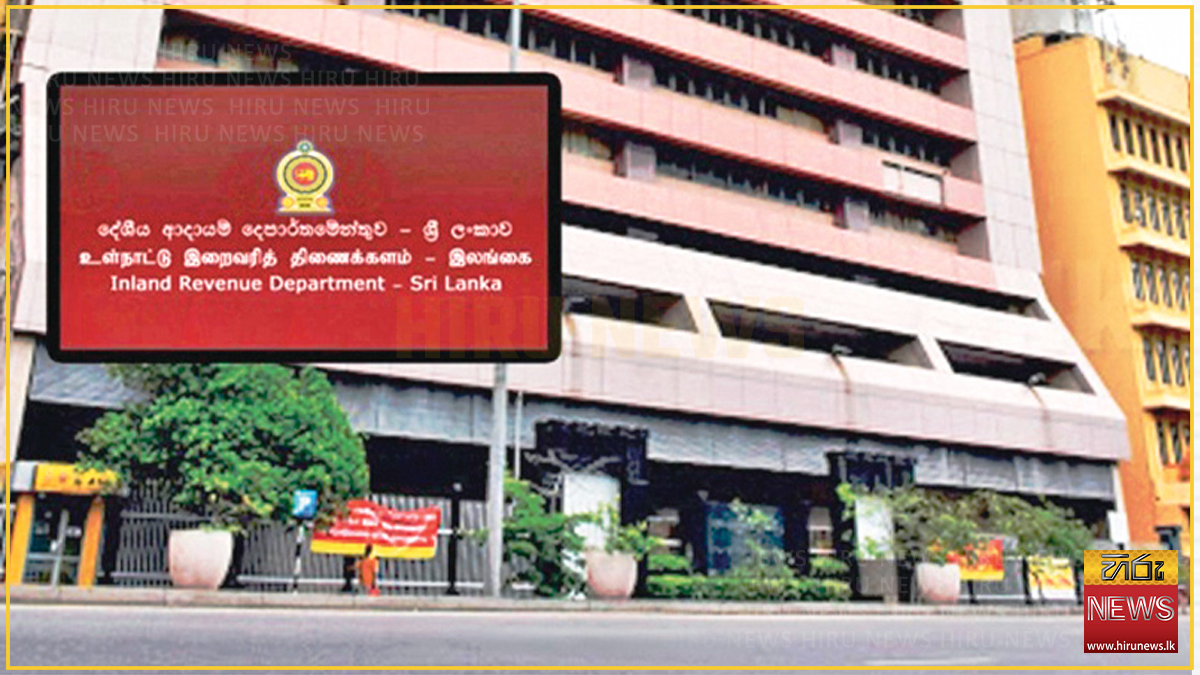
The Inland Revenue Department has collected Rs. 2.04 trillion in the first nine months of 2026, passing the Rs. 2 trillion mark with a quarter of the year still to run, according to a Finance Ministry release reported by Hiru News.
Collections from 1 January to 30 September came to Rs. 2.04 trillion, up Rs. 398 billion on the Rs. 1.642 trillion taken in the same period of 2025 — a rise of about 24%.
September alone brought in Rs. 288 billion, against Rs. 216 billion in September 2025. That is an increase of Rs. 72 billion, or roughly a third.
The annual target is now within easy reach
The department’s revenue estimate for 2026 is Rs. 2.401 trillion, of which 85% had been collected by the end of September.
The arithmetic leaves considerable headroom. Rs. 361 billion remains to be collected across October, November and December — an average of about Rs. 120 billion a month, well under half what the department took in September. On recent monthly performance the estimate looks likely to be passed comfortably rather than merely met.
Not to be confused with Customs
This is the Inland Revenue Department, not Sri Lanka Customs — a distinction worth drawing, because the two agencies have now crossed the same Rs. 2 trillion threshold within a fortnight of each other. Customs passed Rs. 2 trillion in mid-September. They are separate revenue streams and separate milestones, and the figures are not additive to any single published total here.
What the department credits, and what it does not say
The release attributes the increase to greater willingness among taxpayers to comply voluntarily and to improvements in the efficiency of tax administration.
It offers no breakdown by tax head, so there is no way to tell from this statement how much of the gain comes from personal income tax, corporate tax or VAT, nor how much reflects higher rates and a broader base rather than better collection. Nominal growth also flatters the comparison to the extent that prices and incomes rose over the year.
The statement closed by asking media institutions to publicise the figures — the department’s own framing of the announcement as a communications exercise.
No other verified newsroom had carried the nine-month figure at the time of writing.