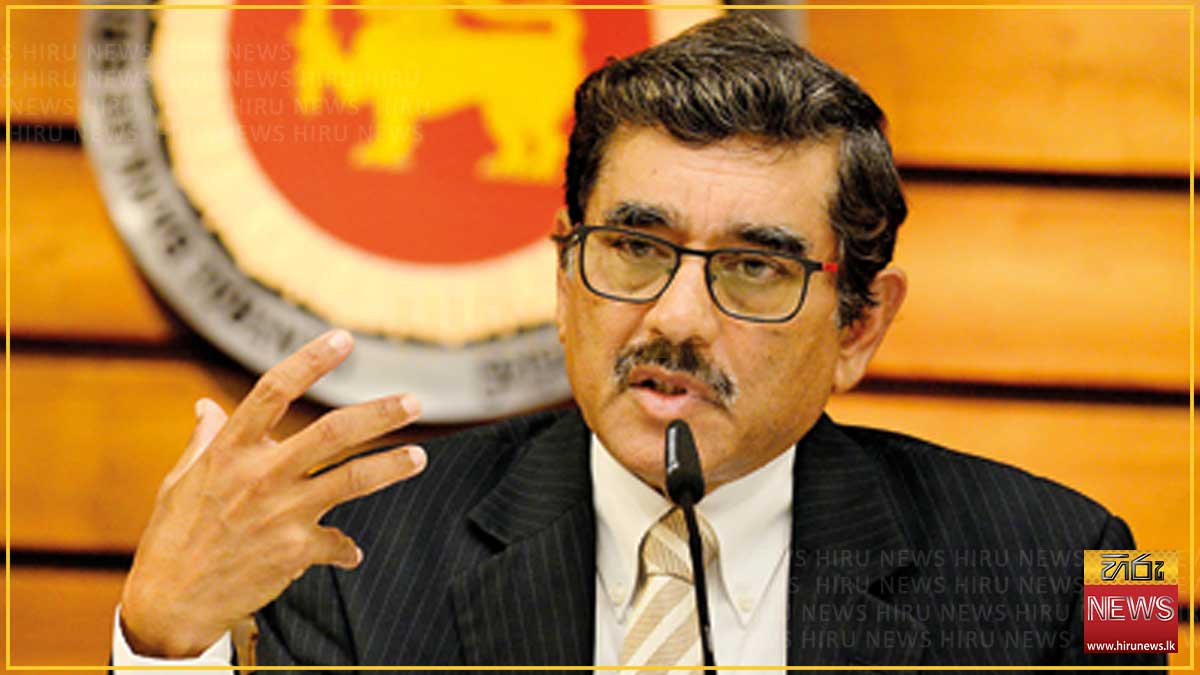
Companies that raised money from the public for cultivation projects spent it on launching newspapers, supermarkets and tourism businesses, staging shows and sponsoring cricket matches, Central Bank Governor Dr. Nandalal Weerasinghe has said.
Speaking at a media briefing, the Governor said portions of the money had also been handed out as gifts to artistes and spent on advertising campaigns, the Daily Mirror reported.
Influencers were paid with depositors’ money
Weerasinghe singled out the social media promotion of these schemes. The money paid to influencers to advertise cultivation investments was itself public money, he said, and those influencers “had spoken not on behalf of the public, but on behalf of the companies that had paid them.”
The 40% promise
The Governor’s central argument is arithmetical. The companies cannot pay returns of 40 percent without taking in new deposits, he said, and as new investment has dried up they have become unable to repay earlier depositors.
That is the structure of a scheme that collapses once recruitment slows, and Weerasinghe made the comparison explicit: unless the companies come before the law with a plan setting out how they intend to repay money they accepted illegally, they face the same fate as past pyramid schemes.
Which accounts were actually frozen
Weerasinghe pushed back directly on an explanation the companies have been offering depositors. The Central Bank suspended only accounts through which illegal deposits were accepted, he said. It has never suspended a cultivation investment account as such — so the firms cannot blame the regulator for their failure to pay.
The suspensions were imposed, he said, so that the funds can be distributed among depositors once legal proceedings conclude.
He added that the Central Bank has repeatedly warned the public not to be deceived by companies accepting deposits framed as cultivation investments.
Not reported
Neither report names any of the companies, says how many depositors or how much money is involved, identifies which accounts were suspended or when, or gives a timeline for the legal proceedings the Governor refers to. Neither carries a response from any of the firms, and neither says what recourse existing depositors have in the meantime.
Hiru News carried its own account of the briefing on Friday, matching the Daily Mirror’s report on every substantive point, including the 40 percent figure and the list of businesses the funds were diverted into.