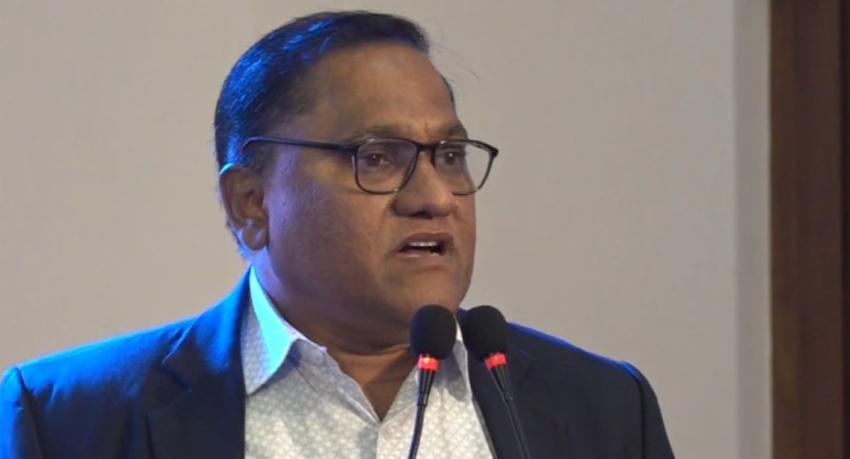
Extreme heat is putting pregnant women, unborn babies and newborns at rising risk, UN Climate Change Executive Secretary Simon Stiell warned on Monday, describing pregnancy and birth as “a new faultline in the global climate crisis, and one which is potentially fatal.”
He was speaking at an event organised by the research foundation Wellcome on the opening day of the official Pre-COP ministerial meeting in Fiji, the Daily Mirror reported. Rising temperatures, he said, are increasingly being linked to premature births, stillbirths, low birth weight and complications affecting mothers.
What the survey found
Stiell cited a Wellcome-commissioned survey of maternal health professionals across five countries on five continents, calling the findings “compelling and deeply worrying”:
- 73% reported an increase over the past five years in heat-related cases or complications affecting maternal health.
- 81% said they were concerned or very concerned that extreme heat would increasingly threaten maternal, fetal and newborn health without stronger action.
- Almost all said they had cared for a pregnant woman (98%) or a baby (99%) whose health they believed had been affected by extreme heat.
Unequal exposure
Stiell said the risks are not evenly distributed, falling hardest on people who work outdoors, live in poorly regulated housing, travel long distances to reach care, or depend on clinics without reliable water, electricity or cooling.
“‘Staying cool’ is simply not an option when there is no cool place to go,” he said.
He warned that extreme heat could deepen existing inequalities in access to safe pregnancy and childbirth, particularly where climate disasters add pressure to health systems and threaten food, water and power supplies.
What he asked governments to do
Stiell urged governments to write maternal and newborn healthcare into national climate adaptation and heat-and-health plans, noting that issues left out of such plans “were often not funded, measured or adequately protected.” He also called for stronger heat alerts, training for health workers, more resilient facilities, and better data to identify the communities most at risk.
On finance, he said the tripling of adaptation finance agreed at COP30 in Belém must be delivered, and repeated the call to mobilise US$1.3 trillion a year for developing countries. He singled out vulnerable small island states, and commended the Turkish presidency of COP31 in Antalya and Australia’s President of Negotiations for making health a priority.
“Across every culture, the arrival of a child is precious,” he said.
Why it matters for Sri Lanka
Sri Lanka is entering a period of elevated heat risk. The World Meteorological Organization has said the current El Niño is near certain to persist to February 2027 and will intensify into a “very strong” event — the conditions Stiell’s warning addresses. The UN has already flagged pressure on vulnerable groups locally, including El Niño-linked malnutrition risk and UNFPA emergency supplies for women and girls.
Not reported
The filing does not name the five countries surveyed, give the sample size, or say who conducted the survey for Wellcome. It does not state whether Sri Lanka’s own climate adaptation or heat-and-health plans currently include maternal and newborn care.
This is an international wire story carried by the Daily Mirror. The verified international newsrooms we would normally use to corroborate it are not reachable by our search tooling, so it publishes on a single source.