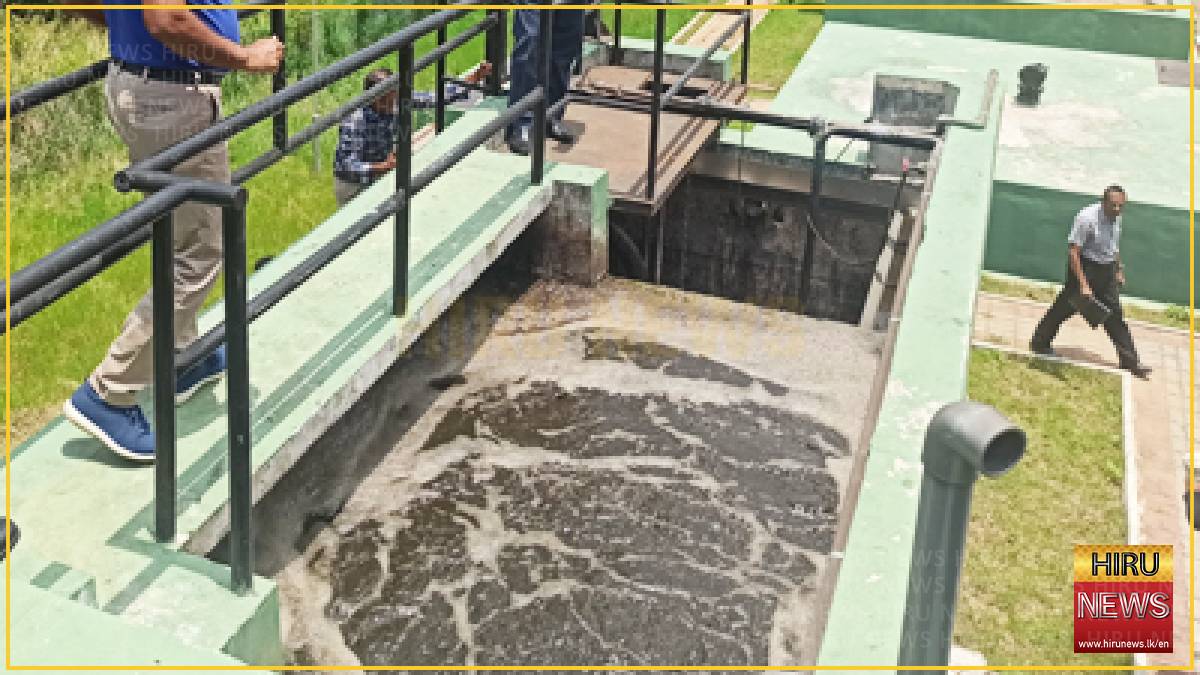
The Cabinet has approved a Rs. 511.78 million contract to build the internal wastewater collection network and pumping system at the Textile Manufacturing Investment Zone in the Punnai Kuda area of the Eravurpattu Divisional Secretariat Division, Batticaloa District.
The figure excludes VAT. The award went to CGC-KDESH JV, a joint venture of China Geo Engineering Corporation and KD Ebert and Sons Holdings Ltd., Hiru News and Daily FT both report.
The procurement
Bids were invited under the National Competitive Procurement Procedure and seven were submitted. After evaluation, the High-Level Procurement Committee recommended the CGC-KDESH joint venture as the lowest responsive bidder.
Cabinet Spokesman and Minister Dr. Nalinda Jayatissa announced the decision at the weekly post-Cabinet media briefing on Tuesday. The proposal was submitted by President Anura Kumara Dissanayake in his capacity as Minister of Finance, Planning and Economic Development.
A zone six years in development
The Cabinet first approved developing infrastructure at the investment zone on 2 November 2020. Wednesday’s decision funds one component of that programme — the effluent collection and pumping infrastructure that a textile processing zone requires before wet-processing tenants can operate.
Textile manufacturing, particularly dyeing and finishing, is water-intensive and produces effluent that cannot be discharged untreated. A collection network and pumping system is the step between individual factory outflows and a treatment facility.
Not reported
Neither filing gives a construction timeline, a completion date, or the length of the network to be built. Neither says whether a treatment plant already exists at the site or is to be procured separately, nor what the zone’s total committed infrastructure spend now stands at across the six years since the 2020 approval.
Neither report names the other six bidders or gives the range of bids received, so the margin by which CGC-KDESH was lowest is not known. Neither says how many factories have committed to the zone, how many are operating, or when the zone is expected to be fully occupied. No employment projection is given.