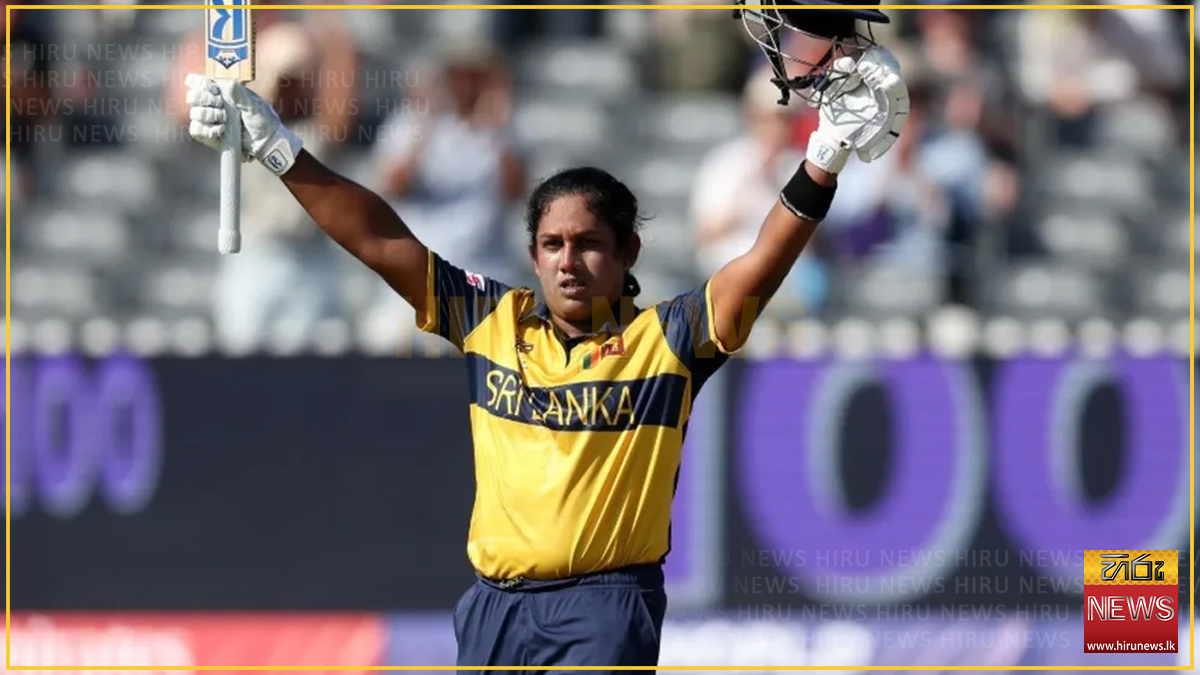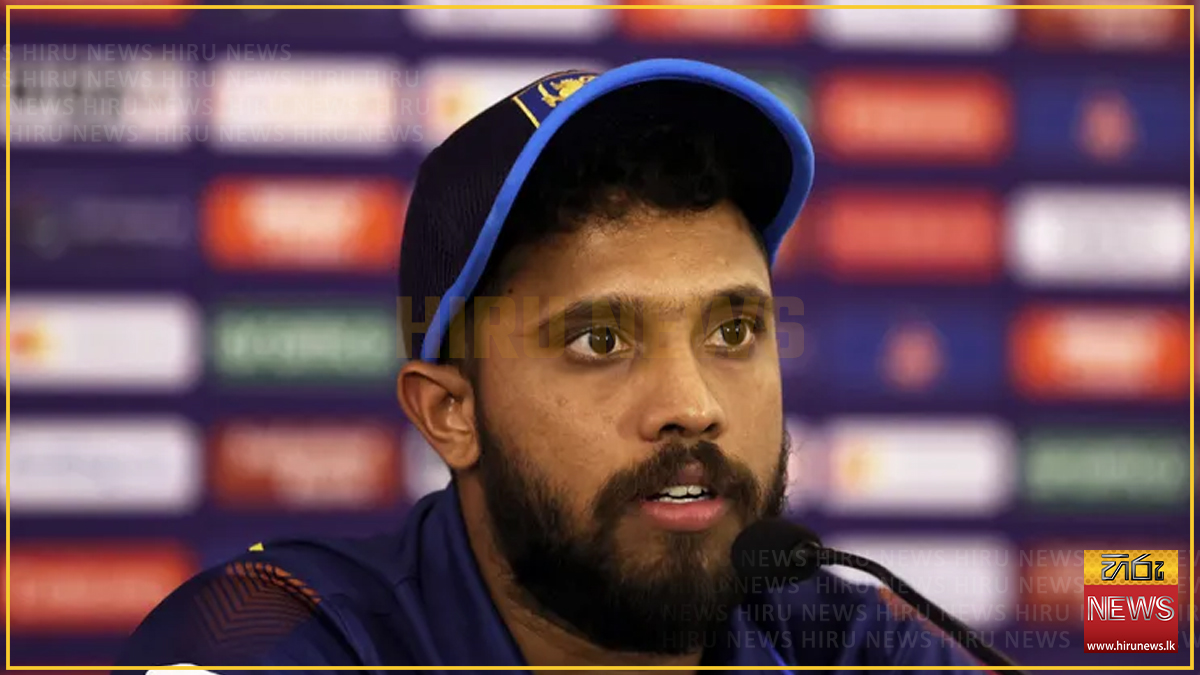
“Indiscipline has been recognised as an issue, and we will not tolerate it,” Eran Wickramaratne said in his first interview since taking over as chairman of the Sri Lanka Cricket Interim Committee — speaking to Daily Mirror Editor-in-Chief Jamila Husain.
The first step is to give players guidance, he said, but where rules are violated “the law and the relevant regulations will apply.” The same approach extends to financial misconduct: allegations of impropriety will be investigated and action taken.
Wickramaratne, a former SJB MP, was named to chair the nine-member committee in April.
The new constitution
The governance bill addresses what he called longstanding questions about who runs SLC and how people stay in position “for 10, 15 or 20 years.” He was careful to call reports of financial mismanagement “stories” — “I am careful not to go by what people say until the facts are established.”
The constitution has been approved by Cabinet and gazetted, and now goes through the parliamentary process, where it can be challenged in court. He hopes it will be law by November, followed by regulations, nominations and elections.
Its core is a hybrid board. The electorate has been cut from around 145 votes to 65. Seven members will be elected and seven appointed. Appointed members need backgrounds in international cricket, finance or accounting, management, law or marketing; nominations are open to anyone, with a fixed selection committee drawn from the Bar Association, the Chamber of Commerce, the Chartered Institute of Accountants, the Sri Lanka Institute of Directors, the Ministry of Sports and the National Sports Committee.
Terms run four years, maximum two — an eight-year ceiling. A rotational principle means one appointed member retires and one joins each year, so the board never turns over at once. “Otherwise, it can become like politics, where one group comes in and carries out its agenda.”
The drafting drew on earlier reports by Ali Sabry and Judge Chitrasiri, with David Becker, the ICC’s former head of legal, as consultant.
Independence versus accountability
On the ICC’s requirement that SLC remain independent and non-political, Wickramaratne drew a distinction. “The Government has no role in the management and administration of cricket,” he said — ministers interfering in selections “should not be possible anymore.”
But accountability is separate: “The shareholders are actually the citizens and the cricket lovers of this country.” SLC will be audited by the Auditor General and is expressly subject to the Right to Information Act.
He acknowledged a cost to the interim arrangement. While it persists, there are restrictions on hosting ICC events and on financial support — he linked this to Sri Lanka losing the Women’s Champions Trophy, though he said the ICC’s reasoning was its own and he could only speculate.
On performance
Wickramaratne pushed back on the idea that Sri Lankan cricket has simply failed, citing the women’s team’s run to a final in Dubai and the Under-19 women’s record. Women’s cricket is a board priority, including player welfare, hostels for those travelling from distant areas, and equal access to grounds and nets.
On the men’s game he was blunter: “There has been a deterioration over a period of time.” Sri Lanka were ranked fourth in Tests and third in ODIs in 2011, and third in T20s in 2012.
Changes under way include bringing five stadiums and their curators under SLC with Andy Atkinson, formerly the ICC’s head curator, on pitches; Ashley Ross on coaching; Alex Kountouris and a psychologist on sports medicine and mental health; and Lyndon Hannibal and Ruchira Palliyaguruge on umpire development. He also flagged weak data analytics, with a caveat: “AI gives you information; it doesn’t give you wisdom.”
His expectation-setting was explicit: “When you have a decline over 15 years, you can’t reverse it in 15 weeks.”
Selection and drug testing
Asked about players selected through closeness to officials or politicians, he said a finance committee headed by treasurer Dinal Phillips, with senior accountants and an international firm, is tightening controls — but that allegations of corruption belong to “other institutions responsible for investigating those matters. We will not get distracted from our primary task.”
On drug testing, he said anyone representing Sri Lanka will have to comply with relevant requirements, with their consent — and if they do not consent, “Sri Lanka Cricket will reserve the right to make the appropriate decision in the national interest.”
Not reported
This is the Daily Mirror’s own interview and no other newsroom carries it. The published excerpts do not give a date for elections beyond “next year”, do not name any player or incident behind the indiscipline question, and do not say what the commercialisation policy for players will contain or when it will be issued.
The interview does not state the Interim Committee’s own end date, what happens if the constitution is successfully challenged in court, or whether the ICC has given any formal response to the gazetted text. No cost figure for the reform programme or the overseas appointments is given.
Sources: Daily Mirror.