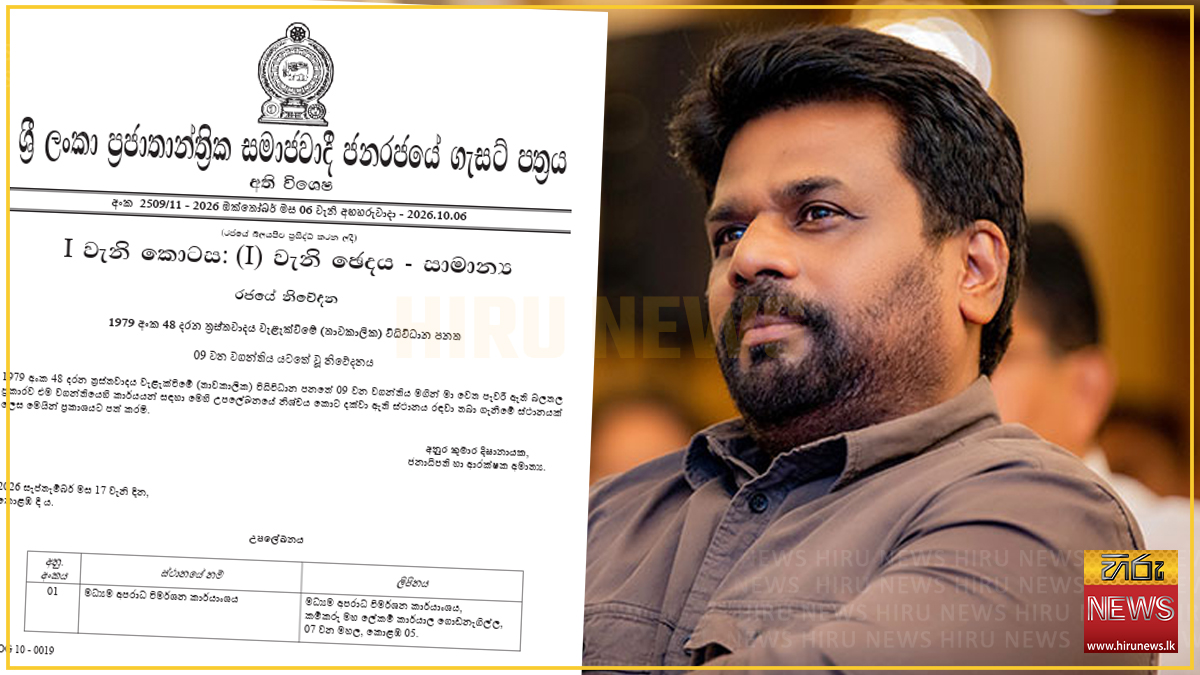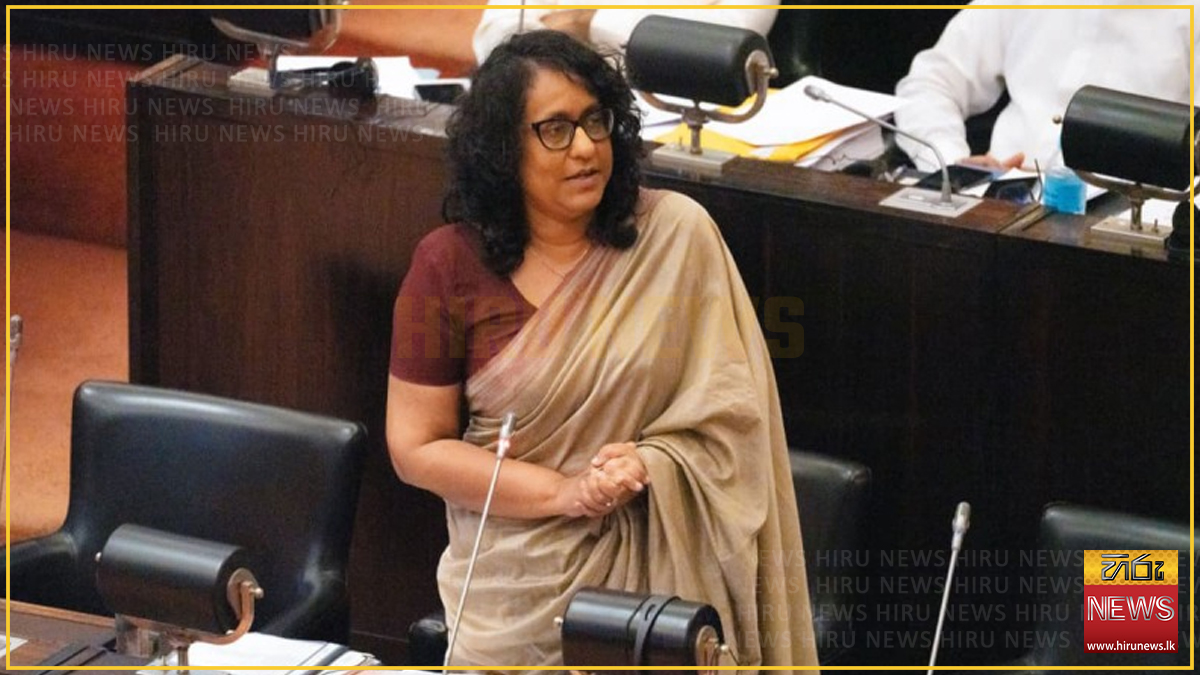
Parliament passed the Anti-Corruption (Amendment) Bill with amendments on Thursday, completing in a single sitting a passage that had been held up since August by a constitutional challenge.
The Bill was approved “following consideration of the amendments proposed during the parliamentary process,” the Daily Mirror reported in a filing by Yohan Perera. Hiru News reported that the second reading debate began the same day, that Prime Minister Dr. Harini Amarasuriya moved amendments after the debate, and that the Bill was then read a third time and passed.
The clauses the Supreme Court struck at
The amendments matter because of what the Supreme Court said about the Bill three weeks ago. In a determination Speaker Jagath Wickramaratne read to Parliament on 22 September, the court found three sets of provisions could not pass on a simple majority:
- Clause 17, restricting bail for offences under the new law, was held inconsistent with Articles 3 and 4(c). It could become law only with a two-thirds majority and approval at a referendum.
- Clause 6(7), requiring owners, chairpersons and directors of registered media institutions and TRC-licensed entities to declare assets and liabilities, needed a special majority.
- Clause 7, repealing Section 80(1)(e) and so dropping the requirement to declare the assets of anyone sharing a declarant’s household for more than six months, was found inconsistent with Article 12(1). The court recommended withdrawal unless passed by a special majority.
Clauses 3, 4, 6(4), 6(5) and 11 were cleared for a simple majority.
Neither filing says what became of any of the three. No referendum has been held, so Clause 17 cannot have passed in the form the court examined — but whether it was amended, dropped or withdrawn is not reported, and the same applies to Clauses 6(7) and 7. Neither outlet gives the terms of the amendments the Prime Minister moved, and neither reports a division or vote count.
The debate
Two government speakers used the debate to set out the record on prosecutions.
Deputy Minister of Public Security Sunil Watagala told the House that 16 former ministers and three former state ministers have been convicted in cases filed by the Commission to Investigate Allegations of Bribery or Corruption since the National People’s Power took office, the Daily Mirror reported. Among those arrested in CIABOC investigations between October 2024 and October 2026, he said, were a former Chief Minister, four wives of former ministers, seven children of former ministers and six former local government chairpersons. In total 226 people have been arrested over bribery and corruption allegations, 55 of them politicians. Watagala attributed the pace to measures strengthening the independence of state institutions.
Transport, Highways and Urban Development Minister Bimal Rathnayake tabled a 10-page document listing 50 corruption, fraud and criminal cases, rejecting the charge that the government is pursuing political revenge, the Daily Mirror reported. He said the cases were not new, but stemmed from complaints and proceedings dating to the 2015–2019 period that earlier administrations had suppressed through political influence.
The document names former ministers including Johnston Fernando, Wimal Weerawansa, Mahindananda Aluthgamage, Basil Rajapaksa, Rajitha Senaratne, Ravi Karunanayake, Prasanna Ranatunga, A.H.M. Fowzie, Bandula Gunawardana and Rohitha Bogollagama, and proceedings involving Namal, Yoshitha, Gotabaya, Shiranthi, Rohitha, Chamal and Shashindra Rajapaksa. The matters listed range from the Central Bank bond transactions, the Krrish deal, MiG procurement, the Divi Neguma funds case, the sil cloth distribution case and the Carlton Sports Network, to the Easter Sunday attacks and the killings of rugby player Wasim Thajudeen and journalist Lasantha Wickrematunge, the disappearance of Prageeth Eknaligoda, and attacks on journalists Keith Noyahr and Upali Tennakoon.
Both accounts are the government’s own, delivered in its own defence during a debate on its own Bill. No opposition reply to either set of figures is reported.
How the Bill got here
Prime Minister Amarasuriya presented the Bill on 19 August, to amend the Anti-Corruption Act No. 9 of 2023. The government said it addresses operational bottlenecks, aligns the law with UN standards and meets conditions under the IMF programme.
Transparency International Sri Lanka petitioned the Supreme Court on 31 August, arguing the amendments “introduce severe policy regressions, create major loopholes, restrict civic space and violate Fundamental Rights.” Fourteen petitions were filed in all, including by former Minister Prof. G. L. Peiris; the court heard them on 3 September and concluded the following day.
The passage came on a day of pressure on the Speaker himself. Opposition MPs signed a no-confidence motion against Wickramaratne hours after a civil society organisation publicly questioned his moral standing to endorse the very Bill the House was due to pass.
Not reported
Neither filing sets out the text or effect of the amendments moved by the Prime Minister, which is the central question left open by the Supreme Court determination. Neither reports the vote, whether a division was called, or whether any clause was put to a special majority. Neither says whether the bail restriction in Clause 17 survives in any form, nor whether the media asset-declaration requirement in Clause 6(7) was retained, narrowed or dropped. TISL’s response to the Bill as passed is not reported, and neither outlet says when the Bill will be certified.
Sources
- Anti-Corruption Amendment Bill approved by Parliament — Daily Mirror, 8 October 2026
- Anti-Corruption (Amendment) Bill passed in Parliament — Hiru News, 8 October 2026
- 16 former ministers convicted in bribery cases since NPP came to power: Watagala — Daily Mirror, 8 October 2026
- ‘Not political revenge’: Bimal tables 50 corruption, fraud and criminal cases — Daily Mirror, 8 October 2026