Seven in 10 Sri Lankan exporters already use e-commerce, but about 80% of them report difficulty with complex trade documentation, according to a report launched in Colombo on Thursday, Hiru News reported.
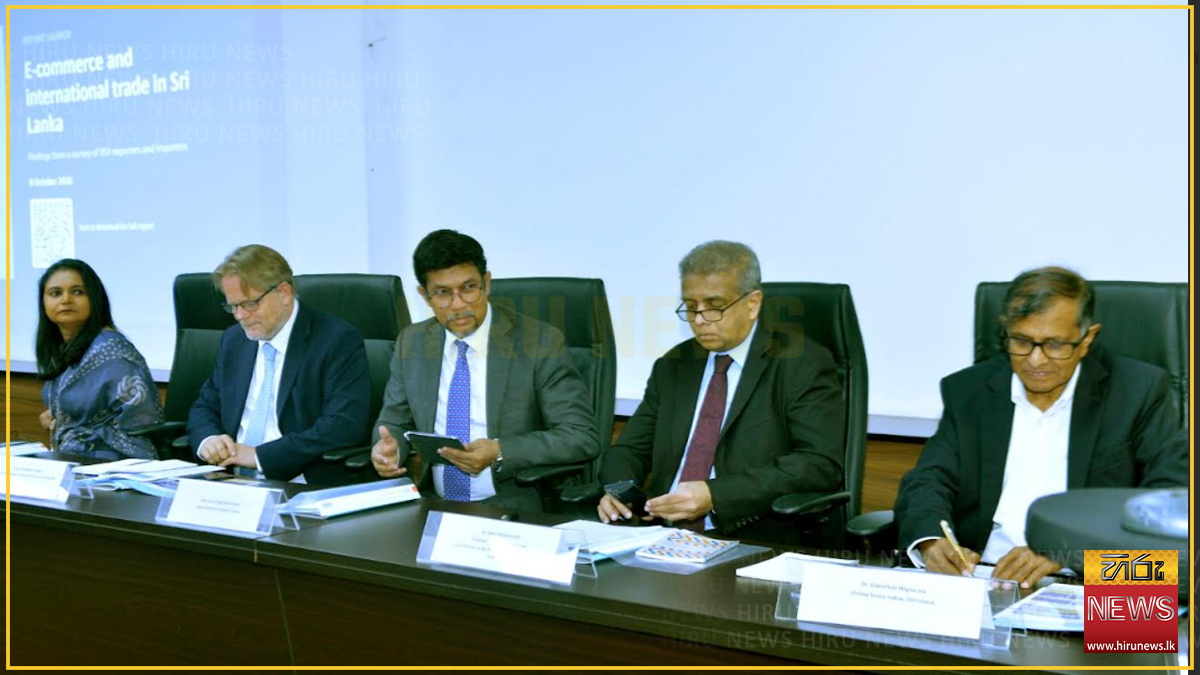
The study, E-commerce and international trade in Sri Lanka: Findings from a survey of 953 exporters and importers, was produced by ODI Global and the Sri Lanka Association for Software and Services Companies (SLASSCOM). It was launched at GovTech Sri Lanka in Colombo on 8 October 2026.
What the survey found
Adoption is already broad. Seven in 10 exporters use e-commerce, including 72% of surveyed micro, small and medium-sized enterprise (MSME) exporters. Digital channels let smaller firms test overseas markets, sell directly to consumers and build international customer bases at lower cost than traditional exporting.
Exporters using those channels reported wider access to markets in the Middle East, Europe and Asia, with direct-to-consumer trade growing in groceries, packaged foods, health and beauty products, and electronics.
Getting online is the easy part
The report’s central finding is that connectivity is not the constraint. Around 80% of surveyed e-commerce exporters reported difficulties with complex documentation. High costs and delays in customs, logistics and payments persist, alongside cybersecurity and digital skills gaps.
The timing figure is the starkest: most business-to-consumer and business-to-business export shipments take more than two weeks to reach customers — a lead time that undercuts the main advantage of selling direct online.
The report calls for coordinated reform across the digital trade ecosystem, including modernising trade infrastructure and simplifying customs and documentation.
The government’s position
Deputy Minister of Digital Economy Eng. Eranga Weeraratne said e-commerce offers Sri Lankan businesses, and MSMEs in particular, a significant route to global markets. He said trade processes must be simplified, digital infrastructure and logistics strengthened, and the skills needed to compete globally developed.
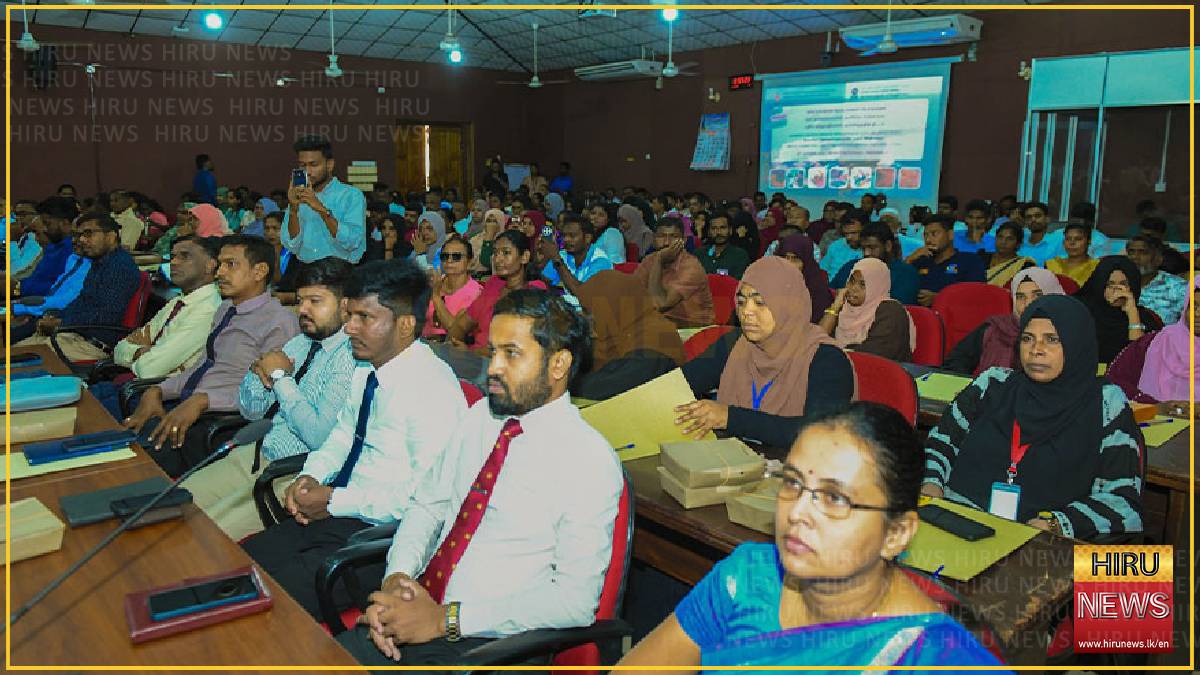
The launch brought together policymakers, industry figures and researchers. The full report is published by ODI Global.
Not reported: Hiru’s account does not say when the survey was conducted or what share of all Sri Lankan traders the 953 respondents represent. It gives no value for e-commerce exports, no breakdown by sector or firm size beyond the MSME figure, and no estimate of what the proposed reforms would cost or deliver. It does not name the report’s authors, say whether the government has committed to any of the recommendations, or give a timeline. No other verified newsroom had filed on the launch at the time of writing.