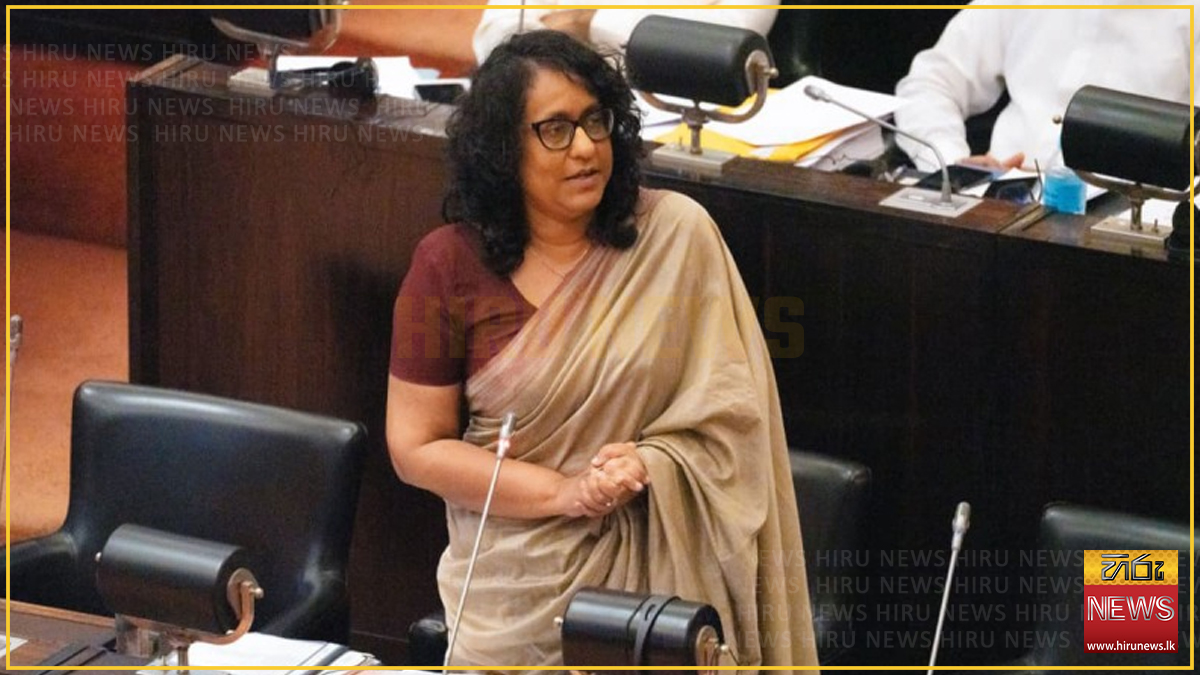
A former president of the Bar Association who sat on the committee that reviewed the proposed replacement for the Prevention of Terrorism Act says the bill put before Parliament departs significantly from what the committee agreed — particularly on bail and detention.
Saliya Pieris, the Bar Association’s nominee on the committee, said members had not been told about the changes to the Protection of the State from Terrorism Bill, why they had been made, or who had made them, Tamil Guardian reported. He said he wrote to the committee’s chairman on Tuesday setting out where the bill differs from the committee’s recommendations.
The committee had agreed to limit detention and to allow magistrates to grant bail where there was no material evidence against a suspect, Pieris said. If the bill is enacted as drafted, he warned, prolonged detention could continue and magistrates could be required to remand suspects even where there is no material evidence against them — leaving the law open to misuse by politicians, police and the security forces, the same concern that attaches to the PTA it is meant to replace.
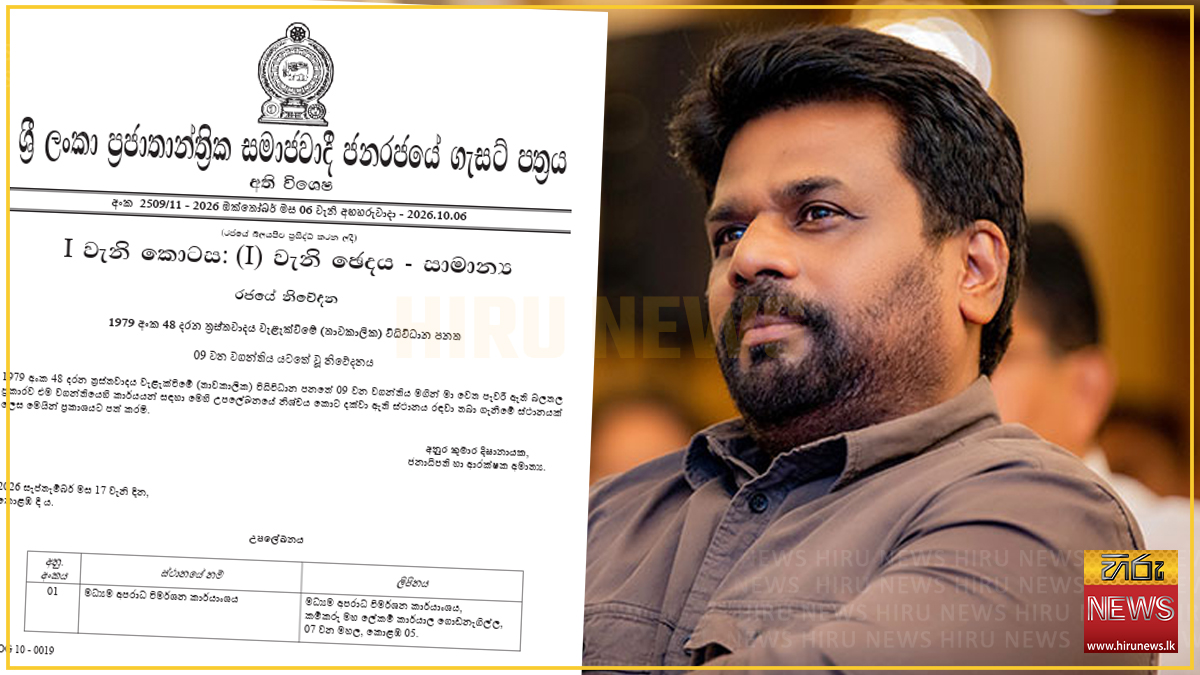
What the gazetted bill actually says
This desk read the bill as gazetted. Its text supports Pieris’s account on each point.
- Bail sits with the High Court, not magistrates. Section 29(1) provides that a remanded suspect “may be released on bail by the High Court”. Where the offence carries life imprisonment, bail may be granted only “in exceptional circumstances”. The phrase “material evidence” does not appear anywhere in the bill — the test Pieris says the committee agreed on is absent from the text.
- The magistrate’s remand is mandatory. Under section 26(3), where a Detention Order is placed before the magistrate, “the Magistrate shall make an order giving effect to such Detention Order”; where no Detention Order is produced, “the Magistrate shall order that the suspect be remanded”. Neither limb gives the magistrate a discretion to refuse.
- Detention is authorised by a ministry secretary. Section 27 empowers the IGP, or a DIG authorised by the IGP, to apply in writing to “the Secretary” for a Detention Order. The bill’s interpretation section defines “Secretary” as the Secretary to the Ministry of the Minister of Defence, and “Minister” as the Minister of Defence. This is the administrative detention Pieris says should be authorised by a judicial officer instead.
On the periods, the bill sets two separate caps. A Detention Order runs for not more than two months at a time, with the aggregate not exceeding one year from the initial order (s.27(3)); extension beyond two months requires High Court approval (s.28). Separately, a suspect may not be held in remand for more than one year from first remand, and if no indictment is filed within that year the High Court “shall release the suspect on bail” (s.29(2)–(3)). Human Rights Watch has warned the bill would allow detention without charge for up to two years; that figure is consistent with the two one-year caps running consecutively rather than concurrently, which the text does not expressly prevent.
The bill does contain safeguards: production before a magistrate within 48 hours (s.26(1)), a magistrate seeing the suspect in camera with the arresting and investigating officers excluded (s.26(4)–(5)), notification to the Human Rights Commission, and an Independent Review Committee to review Detention Orders within 30 days (s.30). The Review Committee’s three members are, however, appointed by the Minister — the Minister of Defence.
Pieris’s dissent from the committee itself
Pieris said he had also disagreed with the committee’s own majority report on three points: the definition of terrorism, which he considered too broad; administrative detention, which he said should be authorised by judicial officers rather than a ministry secretary; and the power to proscribe organisations, which he said should rest with the courts.
The committee included officials from the Attorney General’s Department, the Ministry of Justice, the police and the armed forces, along with President’s Counsel, lawyers and an MP.
Context
The bill was presented to Parliament on Tuesday. It is the fourth stage of a process this desk has tracked: a draft handed to the Justice Minister in May, Cabinet clearance in August, gazetting on 22 September, and the first reading on 6 October. Opposition has been mounting from journalists and rights groups — the Institute for the Advancement of Media has raised media freedom and digital rights objections, and the Human Rights Commission of Sri Lanka has called for sweeping changes.
Not reported
The filing does not name the committee’s chairman, say whether he has replied to Pieris’s letter, or say who made the changes between the committee’s recommendations and the gazetted text. It does not report any response from the Ministry of Justice, the Attorney General’s Department or the Bar Association as an institution, and it does not say whether the government intends to amend the bill at committee stage. Pieris’s statement was made on social media; this desk has not independently verified its contents beyond Tamil Guardian’s account of it.
At the time of writing no other verified newsroom had filed on Pieris’s intervention — it was carried elsewhere only by aggregator and advocacy sites, which do not count as independent corroboration. The analysis of the bill’s provisions above is this desk’s own reading of the gazetted text.