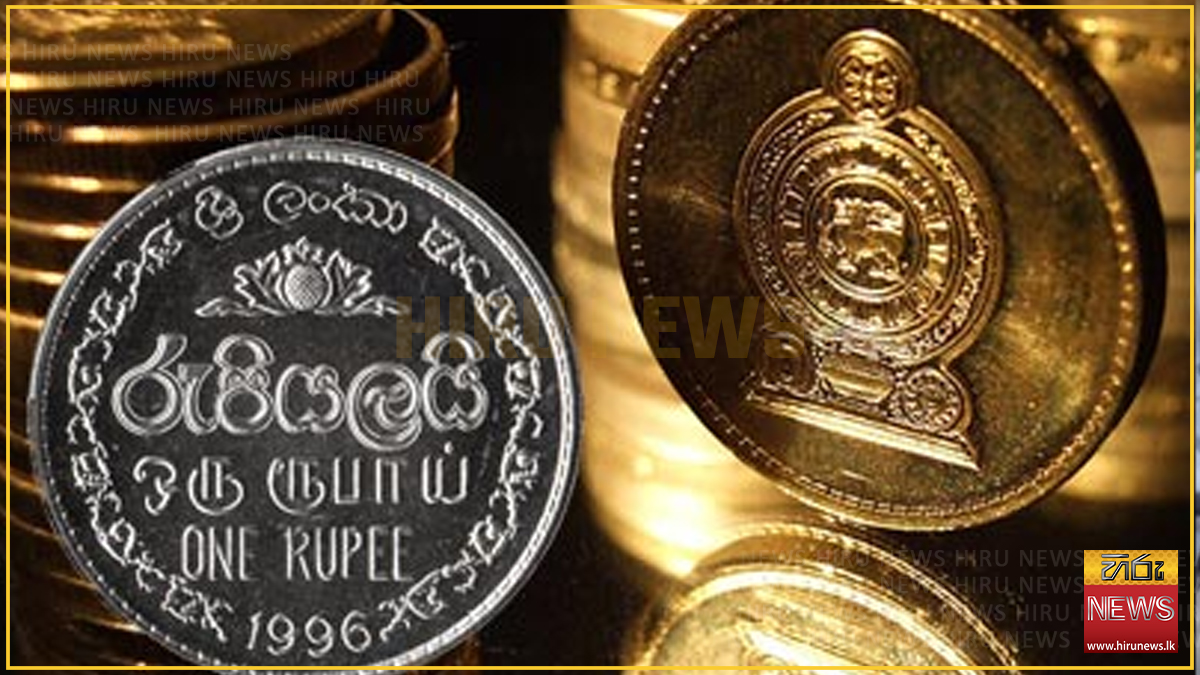
The Sri Lankan rupee has depreciated 6.3 per cent against the US dollar so far this year, according to the Central Bank of Sri Lanka’s latest weekly economic indicators.
The Central Bank’s published indicators date the figure precisely: year-to-date depreciation against the dollar “was 6.3 per cent as of 09 October 2026.” Hiru News reported the figure on Saturday, drawing on the same weekly update.
The weekly indicators also show government securities yields holding broadly steady. Treasury bill yields were largely stable across both the primary and secondary markets over the reporting week, with Treasury bond yields following a similar pattern.
Foreign appetite for government paper edged up. The rupee value of Treasury bills and bonds held by foreign investors rose by approximately 1.6 per cent during the reporting week against the week before. Trading activity, however, thinned: the total volume of secondary market transactions in Treasury bills and bonds fell by about 6.8 per cent over the same period.
On lending costs, the Central Bank recorded the weekly Average Weighted Prime Lending Rate for the week ending 9 October at 11.16 per cent, up 12 basis points on the previous week. The Average Weighted Call Money Rate was unchanged at 8.99 per cent on 9 October. Broad money (M2b) expanded 11.5 per cent year-on-year in August.
Equities were softer over the week. The Central Bank put the All-Share Price Index down 2.38 per cent at 20,316.91 points by 9 October, with the S&P SL20 down 1.61 per cent at 5,788.75 points, both measured against the previous week’s closing values. Those are weekly comparisons: the same index levels closed the 9 October session higher on the day, meaning the market gained ground in the final session of a week that still ended down.
Not reported: neither the Central Bank’s weekly release nor Hiru’s report gives the rupee’s spot rate against the dollar, states the scale of any Central Bank intervention in the reporting week, or compares the current year-to-date figure with the first-half trend.