Pakistan has imposed a state of emergency in the northwestern province of Khyber Pakhtunkhwa, suspending the provincial government run by Imran Khan’s Pakistan Tehreek-e-Insaf, and the province’s chief minister has been arrested.
The emergency was invoked on Sunday under two articles of the constitution dealing with security, the Daily Mirror and Al Jazeera reported. Neither account names the two articles.
President Asif Ali Zardari said in a social media post that he had approved recommendations made by the cabinet, which met earlier in the day under Prime Minister Shehbaz Sharif. A statement from Sharif’s office said cabinet members had reviewed the situation and taken note of the “provincial government’s deliberate disengagement from the fight against terrorism”.
How the province will be run
Pakistan’s constitution allows the federal government to take over some or all provincial functions during an emergency. The Daily Mirror’s account notes that the president’s office did not specify how Khyber Pakhtunkhwa would be administered.
Al Jazeera reports that Law Minister Azam Nazeer Tarar set this out at a news conference in Islamabad: the provincial governor will take charge with an advisory council, an arrangement that will initially run for six months.
Chief minister arrested
Shortly after the announcement, PTI lawmaker Junaid Akbar said that Sohail Afridi, the chief minister of Khyber Pakhtunkhwa, had been arrested along with the party’s provincial president. Neither filing carries a government confirmation of the arrests or states what either man is accused of.
The march on Islamabad
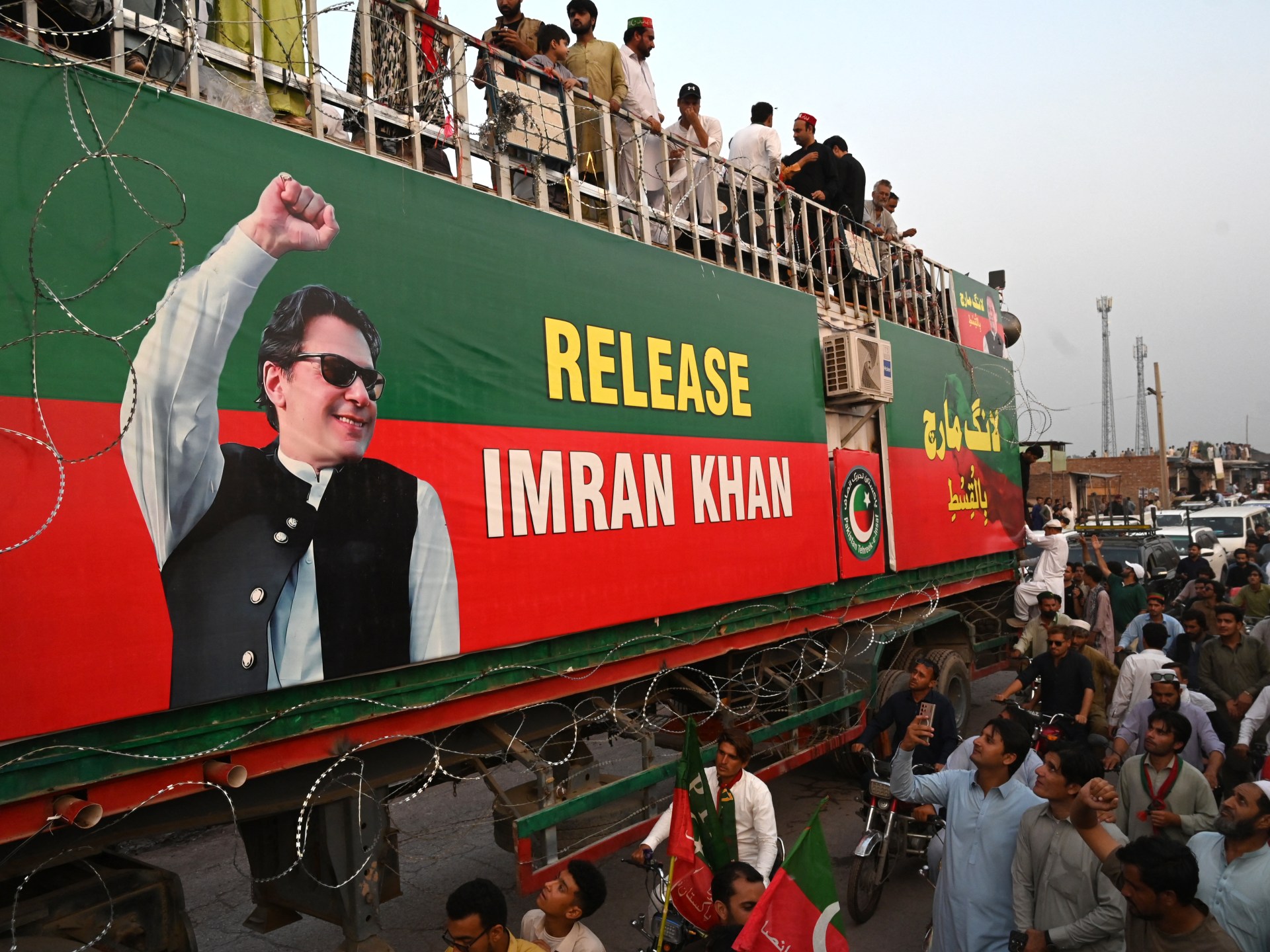
The move comes as the PTI has been preparing a march on the capital to demand the release of Khan, who has been jailed for more than three years and retains broad popular support. The march was originally set for 27 September and postponed to 4 October to allow talks between the government and the party’s leadership.
The government has said it will not permit the march to enter Islamabad and has spent weeks preparing to stop it, blocking main access routes with shipping containers.
PTI spokesman Zulfikar Bukhari said the emergency would lead only to “further bloodshed, instability and collateral damage”. He said there was still room for talks, but that the decision showed the government had never intended to negotiate.
Not reported
Neither filing names the constitutional articles invoked, says where Afridi is being held or whether he has been charged, or reports what becomes of the provincial assembly. Neither says whether the arrangement can be extended beyond six months, nor whether the PTI intends to challenge the emergency in court. There is no account of conditions in the province itself, and no comment from the provincial governor who is to assume charge.
The Daily Mirror attributes part of its account to the Reuters news agency.
Sources: Daily Mirror, Al Jazeera.