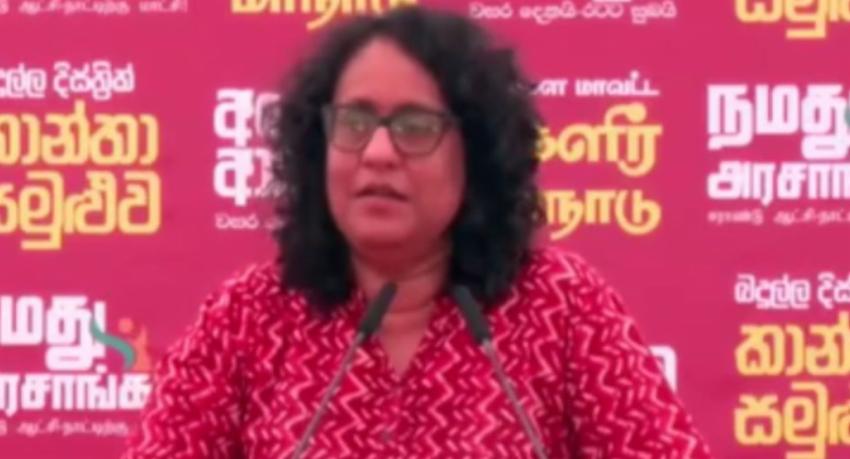
Prime Minister Dr Harini Amarasuriya said on Sunday that about 30,000 new teachers will be added to the school system by February–March next year, progressively filling vacancies that have stood for years, Hiru News reported at 12.36 p.m.
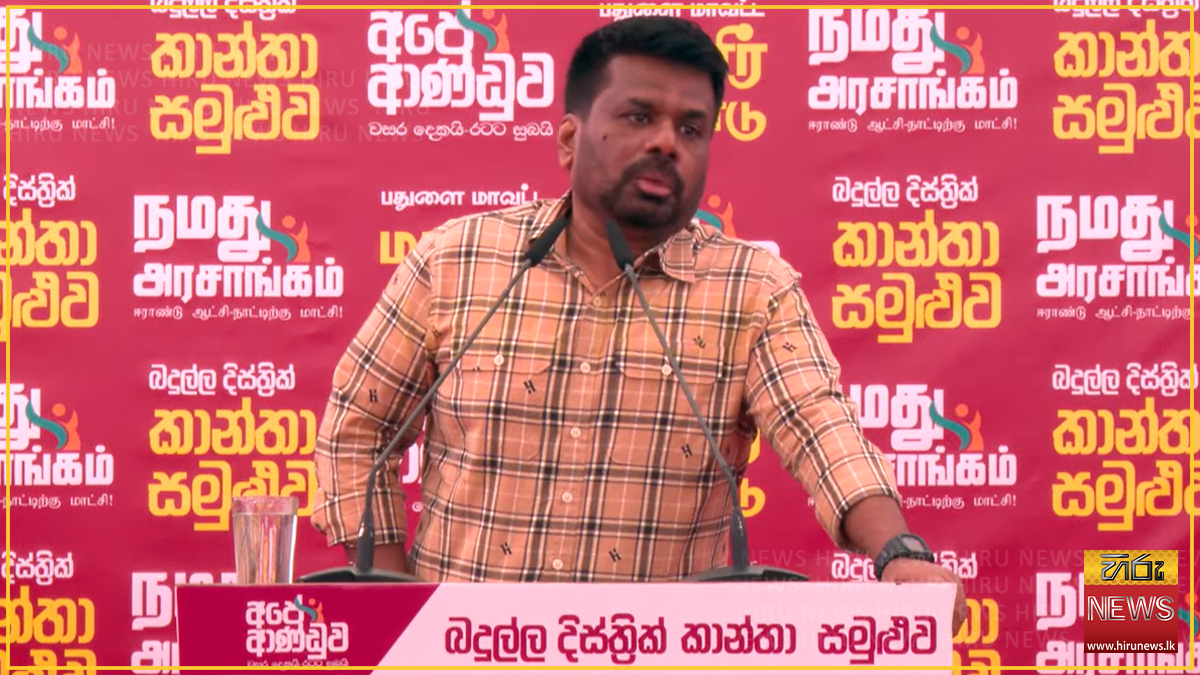
She was addressing the Badulla District Women’s Conference, which NewsFirst identifies as the Badulla Women’s Rally organised by the National People’s Power. President Anura Kumara Dissanayake spoke at the same event.
How the 30,000 is built
The Prime Minister, who also holds the education portfolio, gave the components rather than only the total — which is what makes the figure checkable.
- From 20 November, interviews begin for teaching appointments. Hiru’s account gives 17,000 appointments at this stage.
- Through that process, 23,000 graduate teachers enter the system.
- A further 6,000 or so from the Colleges of Education (vidyapeeta) join by February next year.
- An unspecified additional number of holders of the Bachelor of Education degree are planned for recruitment alongside the graduate appointments.
“That comes to about 30,000 new teachers added to the system by February–March next year,” she said. “We are filling the vacancies that have existed all this time, systematically.”
The components roughly support the total. 23,000 plus 6,000 is 29,000, and the unquantified Bachelor of Education tranche covers the remainder — so “about 30,000” is consistent with the parts, rather than being a round number asserted on its own.
One internal figure does not reconcile. Hiru has the 20 November interviews producing 17,000 appointments and the same process yielding 23,000 graduate teachers. The filing does not explain the 6,000 difference, and does not say whether the 17,000 is one tranche of a larger graduate cohort or a separate count. NewsFirst does not carry either number.
The figure has moved, and so has the date
This desk has the Prime Minister’s own earlier figure on the record. At Habarana on 11 October she said the government expected to recruit 23,000 teachers this year, describing it as the largest teacher recruitment drive in the country’s history. On 14 October the Education Ministry published graduate teacher interview lists carrying 23,006 names.
Set against Sunday’s statement, two things changed in a week.
The headline number rose from 23,000 to 30,000 — but on Sunday’s own breakdown these are not competing claims. 23,000 is the graduate component; 30,000 is the total once Colleges of Education output and Bachelor of Education holders are added. The earlier figure was not wrong, it was narrower.
The delivery date moved. At Habarana the 23,000 were to be recruited this year. In Badulla the 30,000 arrive by February–March next year, with the interviews that start the process not beginning until 20 November. On the Prime Minister’s own timetable, the bulk of this recruitment now lands in the first quarter of 2027, not in 2026. Neither filing notes the shift.
Curriculum changes
Both outlets carry the curriculum element, and they agree on it.
A new curriculum was introduced for Grade 1 this year. New curricula for Grades 2 and 6 follow in 2027. The Prime Minister described this as new curricula for Grades 1, 2 and 6 within two years.
The stated purpose is to reduce students’ academic burden. She said the aim is to produce children who look to the future with confidence rather than children trained only to sit an examination, and that securing every child’s future through a strong educational foundation is the greatest hope of every parent and grandparent.
Universities
Hiru adds a tertiary component NewsFirst does not carry. The government began filling university vacancies in 2025, the Prime Minister said, and has approved the recruitment of about 2,000 academic staff to the university system. Those recruitments are under way.
Not reported
Neither filing gives a current vacancy count for the school system, so the 30,000 cannot be measured against the gap it is meant to close. Neither says how the appointments are distributed by province, subject or school type — the question that matters most for Badulla and other districts outside the Western Province, where the conference was held.
Nothing explains why the timetable moved from this year to February–March, or whether the 20 November interview start represents a delay against an earlier plan. No filing reports the budgetary provision for 30,000 salaries, or whether the Treasury has approved the cadre increase.
On the curriculum, neither outlet names the subjects being changed, says what is being removed to reduce the “academic burden”, or reports whether teacher training for the new Grade 2 and Grade 6 curricula is in place before 2027.