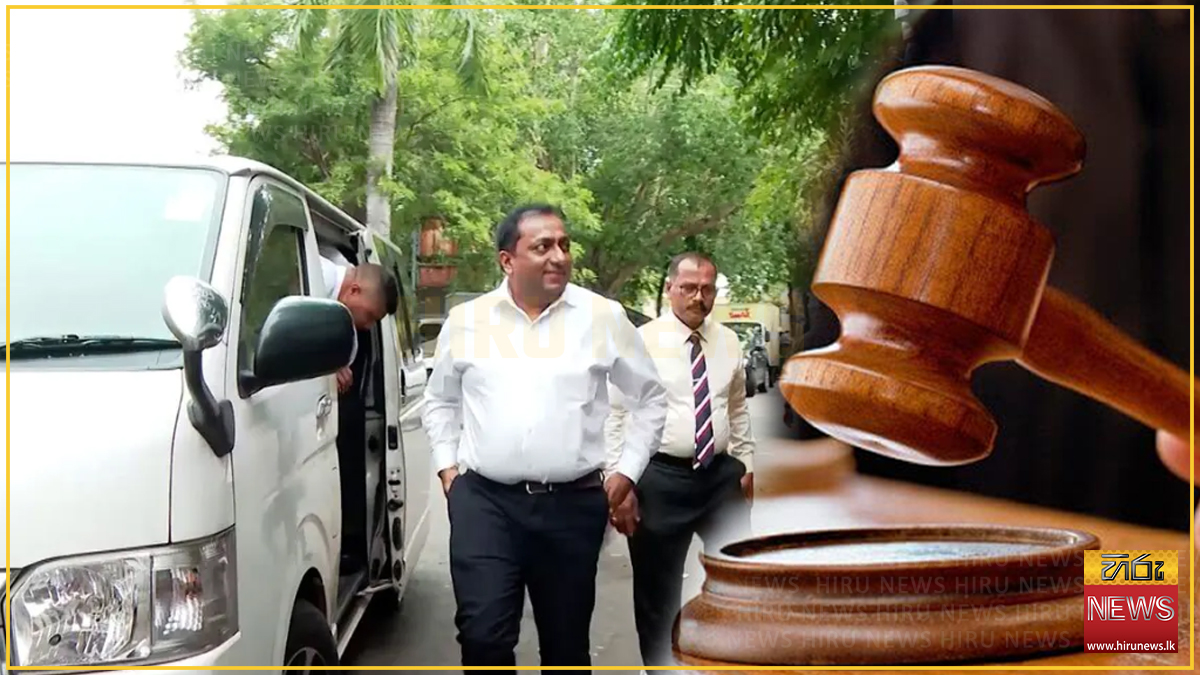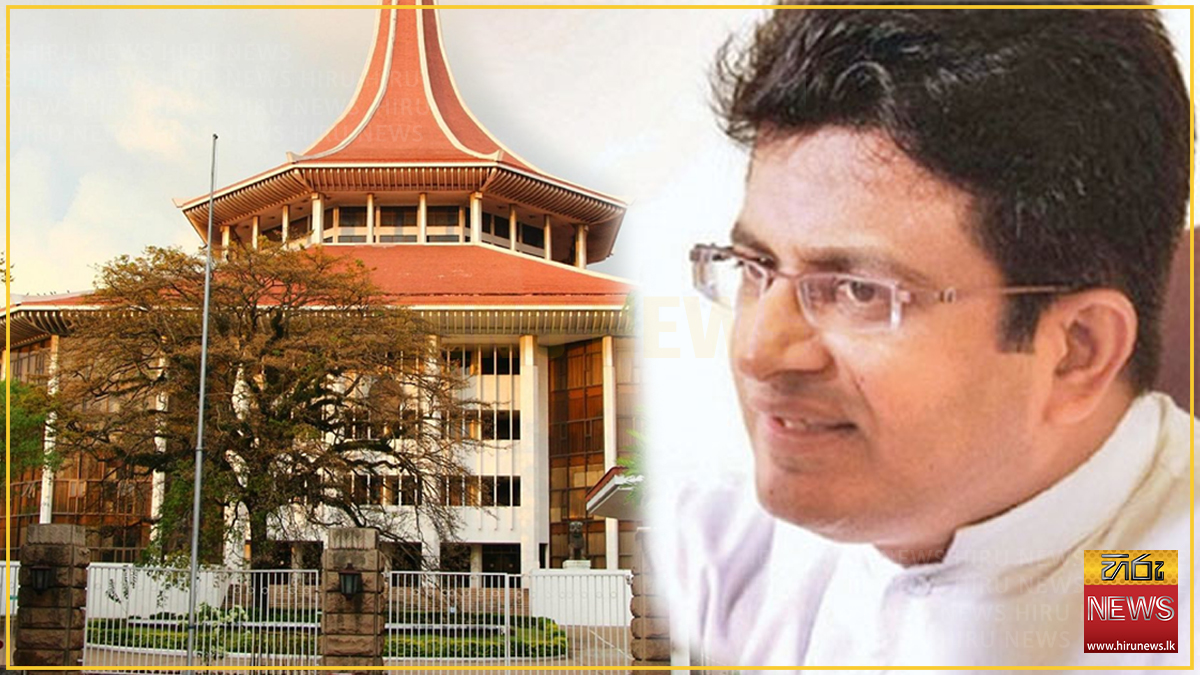
Former minister Udaya Gammanpila has petitioned the Supreme Court to declare that clauses of the government’s Protection of the State from Terrorism Bill are inconsistent with the Constitution, and that they cannot become law without a two-thirds majority in Parliament and approval at a referendum.
The petition was filed on Monday, Hiru News reported. The Attorney General is named as respondent.
Gammanpila argues that certain clauses of the bill, which the government has placed before Parliament, infringe fundamental human rights guaranteed by the Constitution. He asks the court to determine that if those clauses are to be enacted, they require both the two-thirds parliamentary majority and a referendum — the heaviest threshold Sri Lankan law imposes on legislation.
The filing does not identify which clauses are challenged.
Two petitions, two courts, one day
This is Gammanpila’s second court filing of the day, and the two should not be confused.
The other is a writ petition in the Court of Appeal seeking to quash the Fort Magistrate’s order that barred the “Justice for the Robe” protest from Colombo Fort. That one challenges a magistrate’s order about a demonstration. This one challenges a government bill before it becomes law. Different courts, different instruments, different relief.
Newswire, which filed on both petitions at 3.46 p.m. — about two and a half hours ahead of Hiru’s report on the Supreme Court petition — treated them as a single legal push. Newswire is an aggregator and does not count toward this article’s source rating.
The bill
The Protection of the State from Terrorism Bill is the government’s replacement for the Prevention of Terrorism Act of 1979. This desk has reported that the Institute for Media Advocacy warned the draft threatens media freedom and digital rights, and that publishing certain information could be treated as an act of terrorism under its provisions.
It is one of several security and public-order measures moving at once. The government has also gazetted a Prevention of Organised Crimes Bill and gazetted a PTA detention site at the CCIB.
A name that invites the wrong search
Sri Lanka’s 2023–24 Anti-Terrorism Bill was challenged in the Supreme Court on near-identical grounds, and the court held then that several sections needed a two-thirds majority and a referendum. That is a different bill under a different name, and searches for this story return it readily. Nothing in this article is drawn from that earlier round.
Not reported
Neither filing names the clauses at issue, says when the petition will be taken up, or records any response from the Attorney General. Ada Derana’s coverage could not be read — the site has returned a CloudFront 403 to this desk for 31 consecutive days.