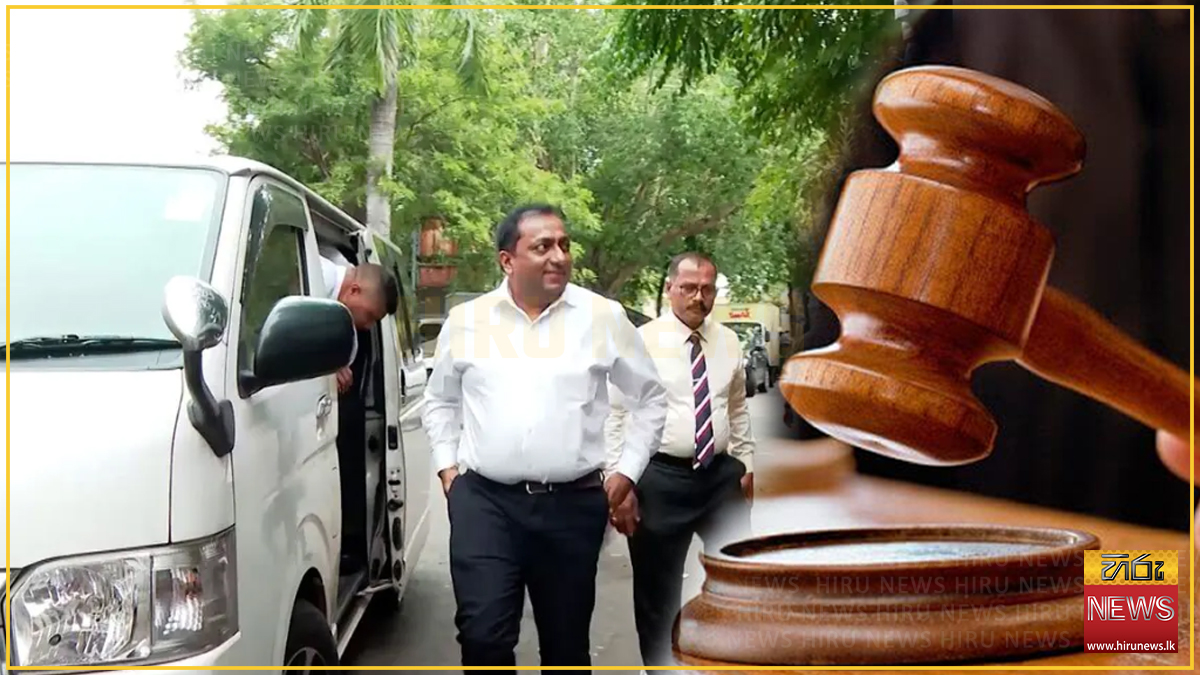
Parliament will not debate the delay in filling vacancies on the Supreme Court and the Court of Appeal, Speaker Jagath Wickramaratne ruled on Tuesday.
The Speaker held that such a debate could not be permitted under Article 41(c) of the Constitution, the Daily Mirror reported in a filing by Yohan Perera and Ajith Siriwardana at 10.04 a.m.
His reasoning, as reported, is short: the appointment of judges to the superior courts falls within the powers vested in the Executive President by the Constitution, and the proposed debate could not therefore be allowed.
What the ruling settles
The vacancies have been an active grievance in the House for months. Opposition members wrote to the Speaker seeking permission for a debate, arguing that the superior courts had been left short-handed for an extended period, and the issue has already disrupted sittings once.
Tuesday’s ruling closes the parliamentary route. It does not address the substance of the complaint — whether the delay is excessive — only whether Parliament is the forum entitled to examine it. On the Speaker’s reading, the appointment power is the President’s, and the House cannot debate the exercise of it.
The record this lands on
This desk has followed the vacancies through their practical consequences rather than the constitutional argument.
In September, Court of Appeal judge Rathanapriya Gurusinghe retired with a Supreme Court elevation recommendation still unacted on — a vacancy created at the top of the system by the very delay now at issue. Later that month, Mayadunne Corea was appointed acting President of the Court of Appeal, an acting appointment being the mechanism by which a court short of substantive judges keeps functioning. Appointments have continued at the level below: three High Court judges were appointed on 23 September.
The pattern is a judiciary filling gaps by acting appointment at the senior levels while substantive appointments wait.
A note on the article cited
Article 41(c) of the Constitution governs appointments requiring the approval of the Constitutional Council. The Daily Mirror reports the Speaker as citing 41(c) as the bar to a debate; it does not report his reasoning in full, and the two-sentence filing does not set out how the article was applied. Opposition members have separately argued that the delay sits awkwardly with Article 107(1), which provides for the President to appoint superior court judges subject to Constitutional Council approval. Those are different provisions doing different work, and no filing reports the Speaker addressing the second.
Not reported
The filing does not say who proposed the debate, under which Standing Order it was sought, or when the request was made. It does not report any opposition response to the ruling, whether the matter was pressed further in the chamber, or whether the proposers intend to pursue another route.
Crucially, it does not state how many vacancies currently exist on either court, or how long they have been open. It gives no indication of when appointments are expected, and carries no comment from the President’s office or the Constitutional Council.
This desk could not find a second verified newsroom reporting Tuesday’s ruling at the time of writing. Ada Derana, which has covered the earlier stages of this dispute, could not be fetched — its CloudFront block on this host is in its thirty-second day.