Two government ministers moved on Tuesday to knock down claims that new security legislation would allow people to be arrested for their hair, tattoos or clothing. Each framed his denial around a different bill.
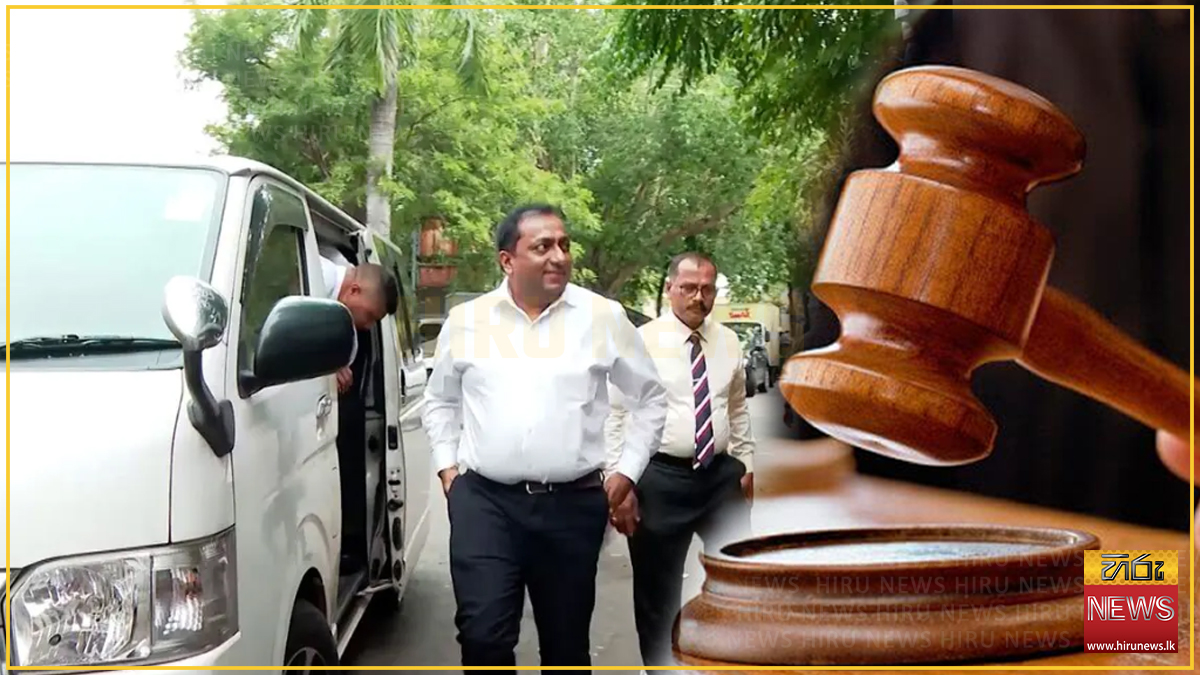
Justice Minister Harshana Nanayakkara, speaking in Parliament, addressed the Prevention of Organised Crimes Bill. He said the contested provisions apply only to people already linked to known organised criminal gangs, and that the draft sets out 12 criteria for determining whether someone belongs to an underworld group. Those criteria include the use of clothing, fashion, hand signals, language or tattoos associated with prominent members of such a group.
The provision was modelled on Singapore’s Organised Crime Act and reflected an internationally accepted definition, he said.
“Creating fear among the public by claiming that growing long hair could lead to arrest, that having a tattoo is a crime, or that wearing certain clothing could result in arrest and prolonged detention is completely false and misleading,” Nanayakkara told the House.
The Cabinet spokesman answered on the other bill
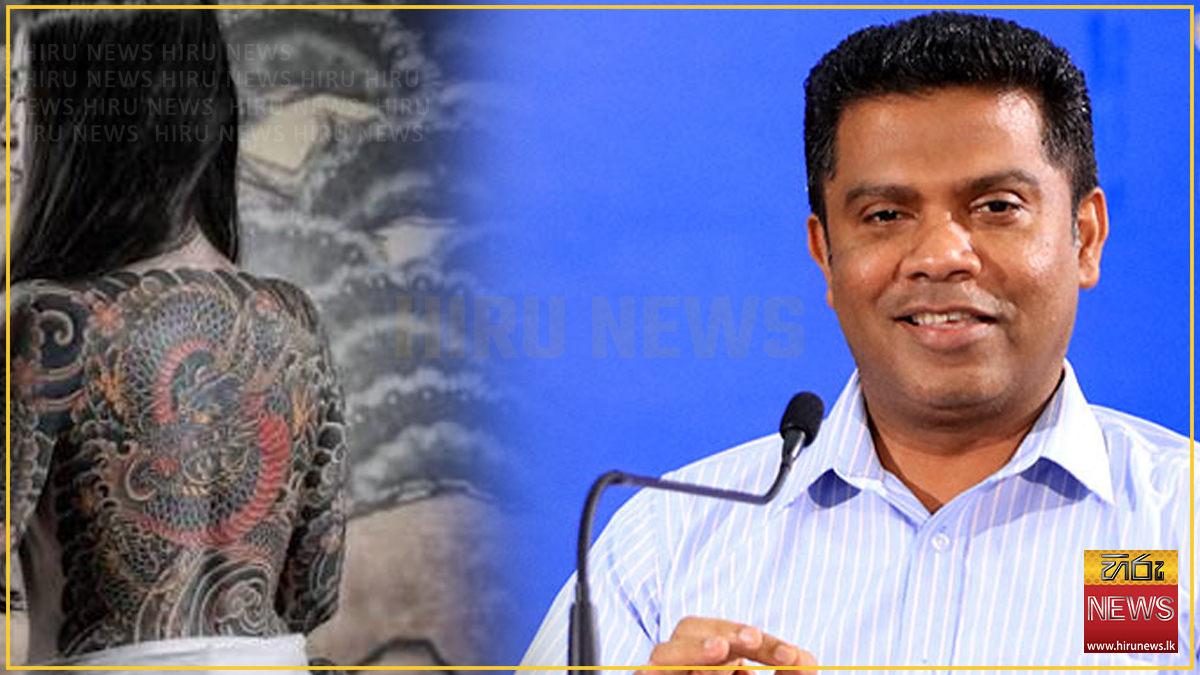
Hours later, at the Cabinet media briefing, Cabinet spokesman Minister Dr Nalinda Jayatissa gave what Hiru News describes as a clarification on the Protection of the State from Terrorism (PSTA) Bill — the counter-terrorism legislation now before the Supreme Court.
Jayatissa rejected what he called circulating reports that the bill would permit arrests on the basis of long hair or tattoos, and responded to points raised on social media by President’s Counsel Saliya Peiris. Senior legal practitioners had contributed to the drafting, he said, including people who had studied under or worked alongside Peiris, and no such provisions were in the text.
He added that it was unfair to judge an entire statute on one or two isolated clauses, that the PSTA was introduced to repeal the Prevention of Terrorism Act while safeguarding human rights, and that anyone objecting had full opportunity to challenge it before the Supreme Court — a more appropriate route, he argued, than debating it at a press conference.
Where the clause actually sits
On the published accounts, the appearance-based criterion that prompted the controversy belongs to the Organised Crimes Bill, which is where the Justice Minister located it and where he could point to a specific list of 12 factors. The Cabinet spokesman’s answer, as filed by Hiru News, was framed around the counter-terrorism bill instead. Ada Derana’s headline on the same briefing also placed it under the anti-terrorism bill.
Both bills are being presented as replacements for or successors to PTA-era powers, and both have drawn criticism from the same lawyers, which is how the two become conflated.
Opposition MP Mujibur Rahuman of the Samagi Jana Balawegaya pressed the point from the other direction, asking how a person’s clothing, the way they dress, how they comb their hair, or a tattoo on their body could mark them out as a criminal. The government had promised on taking office to remove every oppressive statute, he said, yet had now brought both new organised-crime laws and the PSTA to Parliament — raising, in his words, serious doubt over whether the aim was to allow arrests at the authorities’ own discretion.
Update, later on 20 October: the clause is numbered, and the critic is quoted
Two of the gaps recorded below have since closed. Hiru News carried a fuller account of the Justice Minister’s remarks in which he identified the provision: section 4(1) covers membership of an organised criminal group, and section 4(2) lists 12 matters relevant to deciding whether someone is a member. The appearance criterion is one of the twelve — 4(2)(c) — and it is qualified, covering the clothing, styles, hand signs, language or tattoos used by prominent members of such a group. The distortion, Nanayakkara said, works by dropping that qualification. He added: “Nowhere in this bill is there anything about hair.”
Hiru also reproduced Saliya Pieris’s original Facebook post in full. His objection turns out not to be about tattoos at all, but about the Bill’s detention powers — and he says the tattoo argument is burying it. Full detail: Saliya Pieris says Organised Crimes Bill allows a year’s detention without a judge.
The Bill had its first reading in Parliament on the same day.
Not reported
Neither filing reproduces the disputed clause in full, and the remaining 11 of the 12 criteria have not been listed by any outlet. No account explains why the two ministers named different bills, and neither minister was asked about the other’s framing. Ada Derana filed on the Cabinet briefing (item 250254) but has been unreachable from this desk for 33 consecutive days behind a CloudFront block, so its account could not be read.
The PSTA Bill itself is before the Supreme Court on 22 petitions.
Sources
- Organised Crimes Bill does not target people with tattoos or long hair: Justice Minister — Daily Mirror, October 20
- Long hair or tattoos cannot lead to arrest — Minister Nalinda Jayatissa — Hiru News, October 20
- How can one be a criminal by their clothes, hair and tattoos? — Mujibur Rahuman — Hiru News, October 20