France has reported the first known human infection with the Shamonda virus, a pathogen previously found only in animals, in a patient who died at a Lyon hospital in early October. Authorities say there is no risk to the general population at this stage.
The country’s health and agriculture ministries announced the case on Thursday, describing it as “an exceptional case in a severely immunocompromised patient”, the Daily Mirror reported.
The patient was being treated for a serious illness and developed neurological complications that initial findings suggest were “very likely linked” to the virus. Their immune system was already weakened, leaving them more vulnerable to severe disease.
Investigators believe the patient was bitten by an infected midge in eastern France, where the virus had circulated among animals during the spring and summer, CNN reported, carrying Reuters copy.
A livestock virus that had never crossed to people
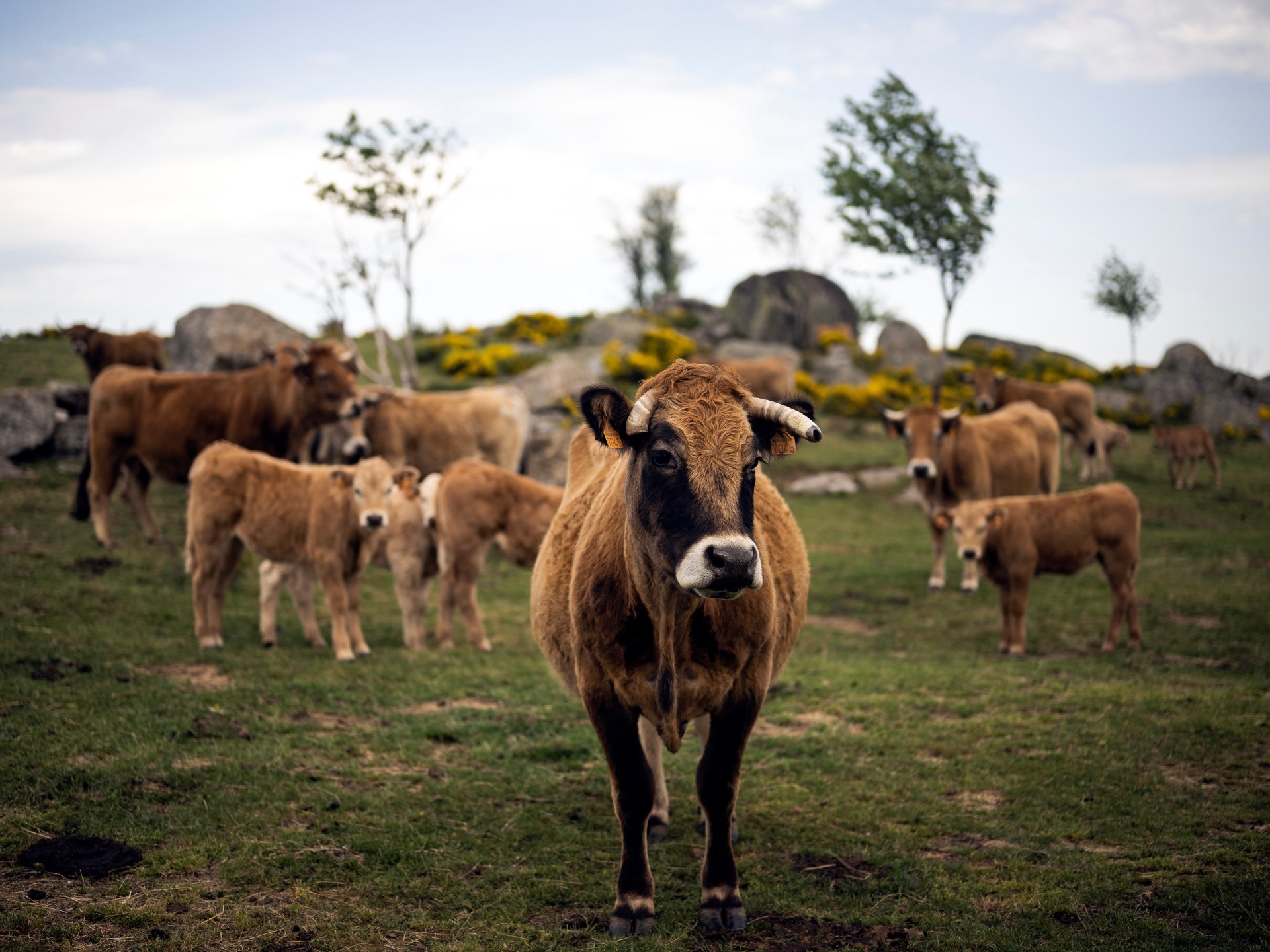
Shamonda is an orthobunyavirus spread to animals by biting midges of the genus Culicoides. It mainly affects cattle — infected dairy herds can suffer fever, diarrhoea and reduced milk production — and has also been recorded in sheep, goats, alpacas and horses.
“Until now, the Shamonda virus was considered non-transmissible to humans,” the French statement noted, having only ever been identified in animals “despite decades of circulation of the Shamonda virus in Africa and Asia”.
The virus was first detected in Nigeria in the 1960s and later reported sporadically in East and Southern Africa and in Japan, according to Al Jazeera. It was confirmed in Europe for the first time in late July, after genomic testing on sick cattle.
Spread across Europe, and an open investigation
Al Jazeera lists detections in farm animals across Austria, Belgium, Germany, Ireland, Italy, Jersey, Liechtenstein, Luxembourg, the Netherlands, Portugal, Slovenia, Spain, Switzerland and the United Kingdom. The Daily Mirror’s account names a shorter set — Ireland, Germany, Italy, Spain and Jersey — and the filings do not explain the difference.
The Stockholm-based European Centre for Disease Prevention and Control said it is monitoring the situation and working with French and European partners to investigate the “potential public health implications” of the infection. Officials are still establishing how the virus reached a human host. The case has been reported to the World Health Organization, which said it is working with French authorities to understand transmission routes and assess the public health risk.
The French Ministry of Agriculture characterised the death as an “exceptional event” and stressed there were no identifiable health risks to the general population at this time.
Not reported
No filing states the patient’s age, sex or nationality, or the underlying illness they were being treated for. Nothing establishes whether any further suspected human cases are under investigation. The sources note decades of Shamonda circulation in Africa and Asia without specifying which Asian countries beyond Japan, and no Sri Lankan health or livestock authority has commented on the case.
