Luiz Inácio Lula da Silva has won a fourth Brazilian presidential election, defeating his right-wing rival Flávio Bolsonaro in Sunday’s run-off after trailing him in the first round just three weeks earlier.
The result was reported by Hiru News and by the Daily Mirror on Monday morning Colombo time.
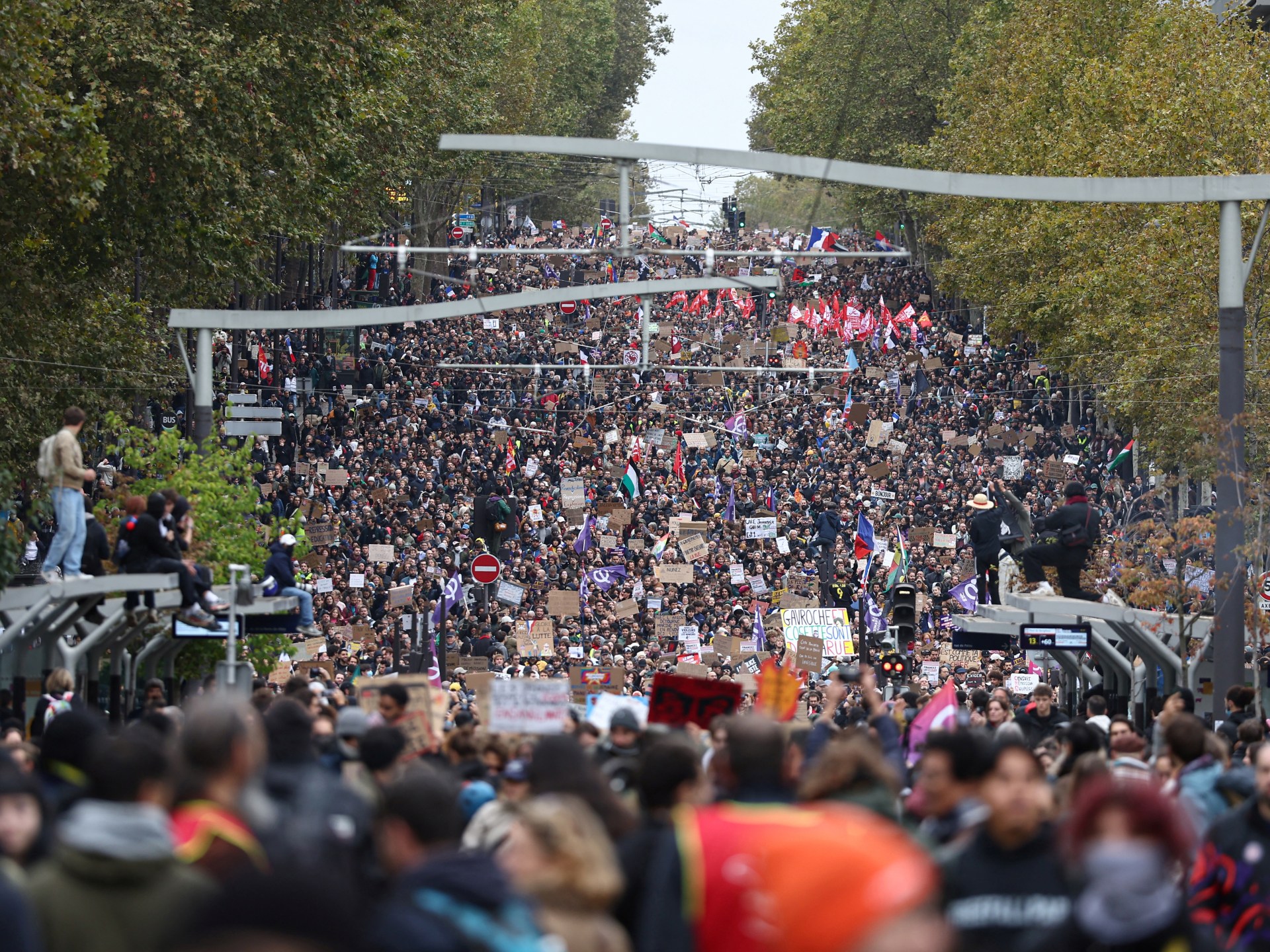
Bolsonaro led the first round on 4 October, and both outlets report that few observers expected Lula to reverse that position in the time available. His campaign recovered after the first-round setback on the back of street demonstrations and a large social media effort.
It is Lula’s fourth win in a presidential election. He served two terms from January 2003 to December 2010, and returned to office in January 2023. The former metalworker has been the dominant figure on the Brazilian left since he first ran for the presidency in 1989.
His new term is set to begin on 5 January 2027.
Against the regional current
The win runs counter to the direction of travel across Latin America, where voters have turned against incumbents and towards the right. Argentina, Chile and Colombia are all now led by conservatives, and Brazil — a country of 213 million people — is the only large South American state not governed by a right-wing leader.
A constrained second act
Both filings frame the victory as the start of a difficult term rather than a clear mandate. Lula faces a hostile Congress and a divided electorate at home.
Abroad, the principal constraint named is the Trump administration, which regards Latin America as a sphere of US influence and has sought governments aligned with its defence, security and trade policies, including efforts to reduce China’s role in the hemisphere. Lula is widely regarded as China-friendly.
President Trump did not endorse Flávio Bolsonaro directly — unlike the right-wing candidates he backed in Colombia and Honduras, who went on to win — but the Daily Mirror reports there is little doubt his administration would have preferred a conservative in Brasília. Bolsonaro had campaigned on aligning Brazil more closely with Washington. Lula warned the United States against interfering in the election and said Brazil would “never fit into anyone’s backyard.”
The economic stakes are substantial: Brazil is oil-rich and holds the world’s second-largest reserves of rare earth minerals.
The environmental dimension
Environmental groups had feared a Bolsonaro win would hand more influence to Brazil’s agribusiness and mining sectors. They pointed to record deforestation and forest fires in the Amazon during the presidency of Jair Bolsonaro, Flávio’s father, and argued that looser environmental policy under the son could bring renewed destruction of the rainforest.
Not reported
Neither filing gives a vote share, a margin or a turnout figure, and neither reports a concession by Flávio Bolsonaro or any legal challenge to the count. Neither names the composition of the incoming Congress beyond describing it as hostile.
The Daily Mirror’s account carries the hallmarks of agency copy and does not name a wire service in the text available to this desk. Both sources are verified newsrooms and the two agree on every factual point checked, including the dates of Lula’s previous terms.