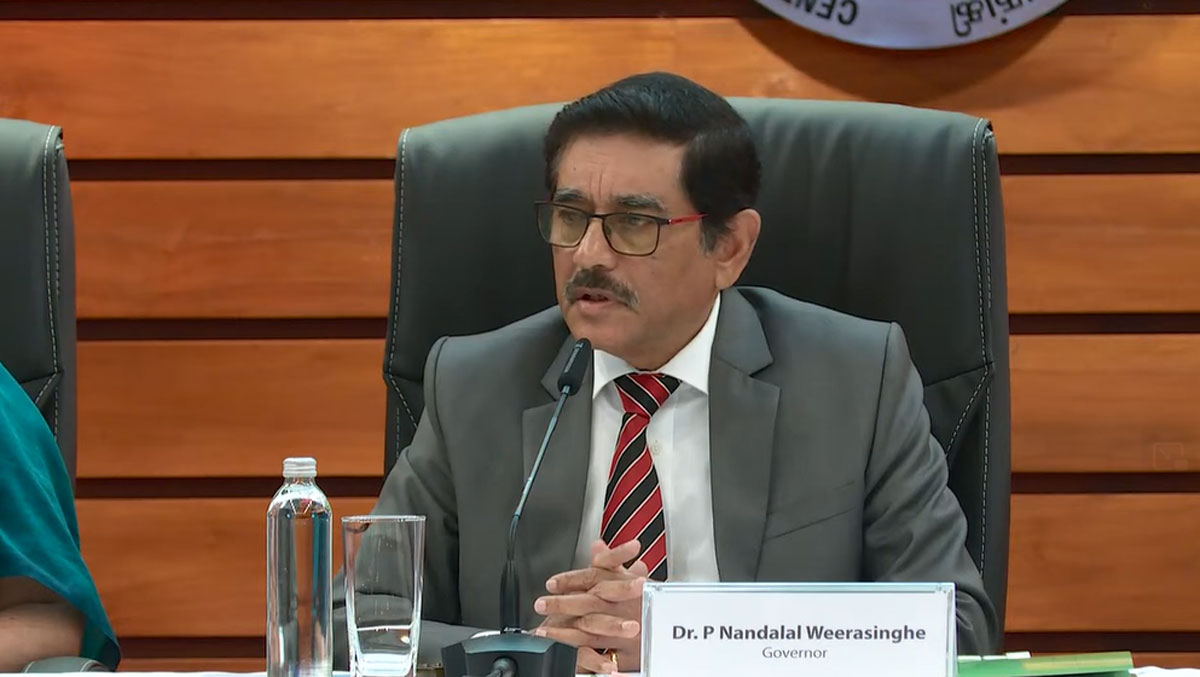
Sri Lanka will not cut its high indirect taxes now, Deputy Minister of Finance and Planning Anil Jayantha Fernando has said, arguing that revenue collection must be put on a firmer footing before the government can “reset” a tax structure he accepts is burdensome.
Relief — including a possible reduction in the 18% Value Added Tax — could become possible once state revenue reaches a more sustainable share of the economy, NewsFirst reported. Until then, he said, it cannot be done without damage.
“At this particular moment, we can’t bring it down without damaging this revenue mobilisation.”
The numbers he gave
Fernando said the original plan was to lift government revenue to 15.4% of GDP by 2030, as part of pulling the country out of what he called an “economic abyss.” That benchmark, he said, has already been passed.
“Now, even at the end of 2025, we were able to achieve a target of 16.7%.”
He put the revised destination at around 18% of GDP by 2030, to be reached gradually.
“So, we can increase our revenue mobilisation gradually. By 2030, we can reach somewhere around 18.”
The additional revenue, he argued, would “create a kind of space for the government to spend money for much required public investments” — and only after that could the government “think of strategies to reset the present tax structure.”
A target that sits below what has already been achieved
One figure in the account does not sit easily with the others. Fernando said revenue reached 16.7% of GDP at the end of 2025, but also said that — with budget ceilings now governed by the Public Financial Management Act — the government has retained a target in the “15 point something” range for the current year, which he expects to meet or surpass.
A current-year target roughly a percentage point below the level reported for the previous year is unusual, and the filing does not explain it. It may reflect a deliberately conservative ceiling, a different basis of measurement between the two figures, or one-off receipts in the 2025 outturn. None of those is stated. Readers should treat the 16.7% and the “15 point something” as reported rather than as a like-for-like series.
What he acknowledged
Fernando named the pressure points directly: the 18% VAT rate, corporate income tax, individual income tax, and taxes on dollar income.
“The present tax structure, there are some issues we understand.”
The government remains committed to fiscal consolidation, he said — the position being that the burden is recognised, but that revenue security comes first.
Not reported
The account does not say when or where the remarks were made, or in what setting. It gives no date for any prospective VAT reduction, no indication of how far the rate might fall, and no sequencing between VAT, corporate and personal income tax relief. It does not say what the current-year revenue outturn is to date, nor what the 2027 budget — now being prepared — assumes. It does not address whether any of this has been discussed with the IMF, whose programme targets have driven the revenue path, or whether a VAT reduction would require programme consent.
This article is carried on a single source. A search of EconomyNext, the Daily Mirror, Daily FT, Island and Lanka Business Online for the same remarks returned only older material — chiefly coverage of the January 2024 increase of VAT from 15% to 18% and the removal of exemptions, which is a different event. One result attributed to the same deputy minister a tax-to-GDP figure of 16% for the current year and a medium-term goal of 20%, both of which conflict with the figures above; this desk could not date that filing and has not used its numbers. Where other verified newsrooms file their own accounts of these remarks, they will be added here.