The Cabinet has approved a new performance- and sustainability-based framework for collective agreements in state-owned enterprises, to take effect on 1 January 2027 — the day after the current agreements, frozen on their existing terms, are due to expire.
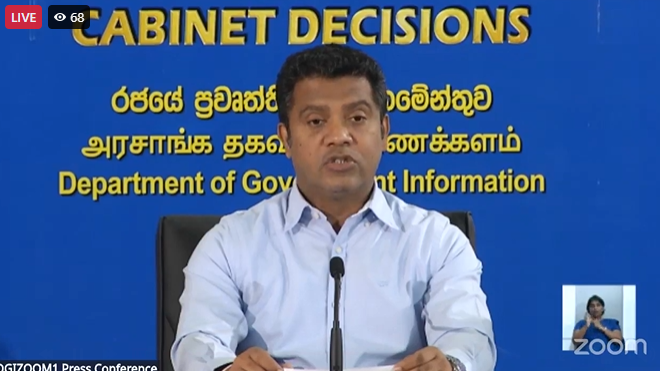
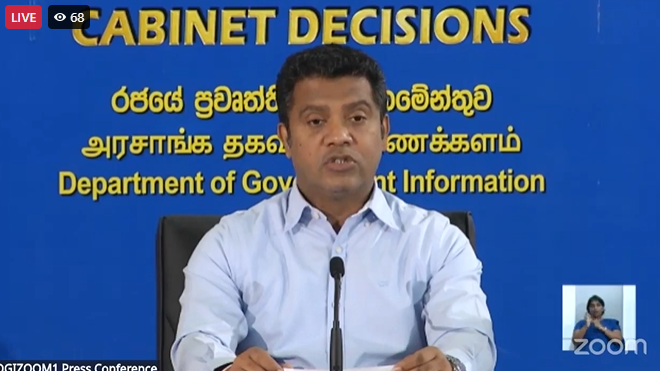
Minister Nalinda Jayatissa announced the decision, EconomyNext reported at 3.08 p.m. on Tuesday.
How this came about
The decision closes a process the government set in motion earlier. Cabinet had previously extended existing collective agreements in state enterprises on their current terms and conditions until 31 December 2026, while a revised structure was prepared for 2027.
To do that work, the Secretary to the Treasury appointed an expert committee to review the existing collective agreement mechanism and formulate the new framework. The committee consulted stakeholders and has now submitted its report.
The sequencing matters: the freeze and the new framework are two halves of one decision, and the January date is not arbitrary — it is the first day not covered by the extension.
What the committee recommended
Two recommendations are reported.
The first is that collective agreements in state enterprises be implemented subject to three existing statutes and other labour law:
- The Industrial Disputes Act
- The Trade Unions Ordinance
- The Shop and Office Employees Act
In Jayatissa’s words, the committee recommended “that collective agreements be implemented within state-owned enterprises, subject to the Industrial Disputes Act, the Trade Unions Ordinance, the Shop and Office Employees Act, and other relevant labour laws.”
The second concerns pay: “Recommendations have also been put forward regarding a framework for profit-sharing and bonuses.”
Read together with the framework’s “performance- and sustainability-based” description, that points to linking a component of state enterprise remuneration to the financial results of the enterprise. The filing does not say how, or in what proportion.
Why this is being done now
The framework arrives as the government prepares a broader restructuring of the state sector. Deputy Minister of Finance Anil Jayantha Fernando said on Wednesday that of 527 entities classified as state-owned enterprises, only a selected number are genuine commercial businesses, and that divestments, mergers and a new SOE Act are being prepared.
A pay framework tied to performance is a prerequisite for that work rather than a separate initiative: enterprises being prepared for divestment or incorporation as limited liability companies need their labour obligations settled on a commercial footing first.
Not reported
The filing does not name a single member of the expert committee, give the date it was appointed or reported, or say which stakeholders were consulted — including whether trade unions were among them.
It does not say how many state enterprises or employees are covered, name any of them, or state whether the framework is mandatory or a template. It does not explain what “performance” and “sustainability” are measured against, who sets the targets, or what happens at an enterprise that makes a loss.
It does not report any trade union response, say whether the committee’s report will be published, or state whether existing agreements lapse automatically on 31 December.
On sourcing: this report rests on a single verified newsroom. Neither the Daily Mirror’s breaking-news listing nor the NewsFirst rail carried a filing on this decision when this was written, and Ada Derana has returned a CloudFront block to this desk for 47 consecutive days.