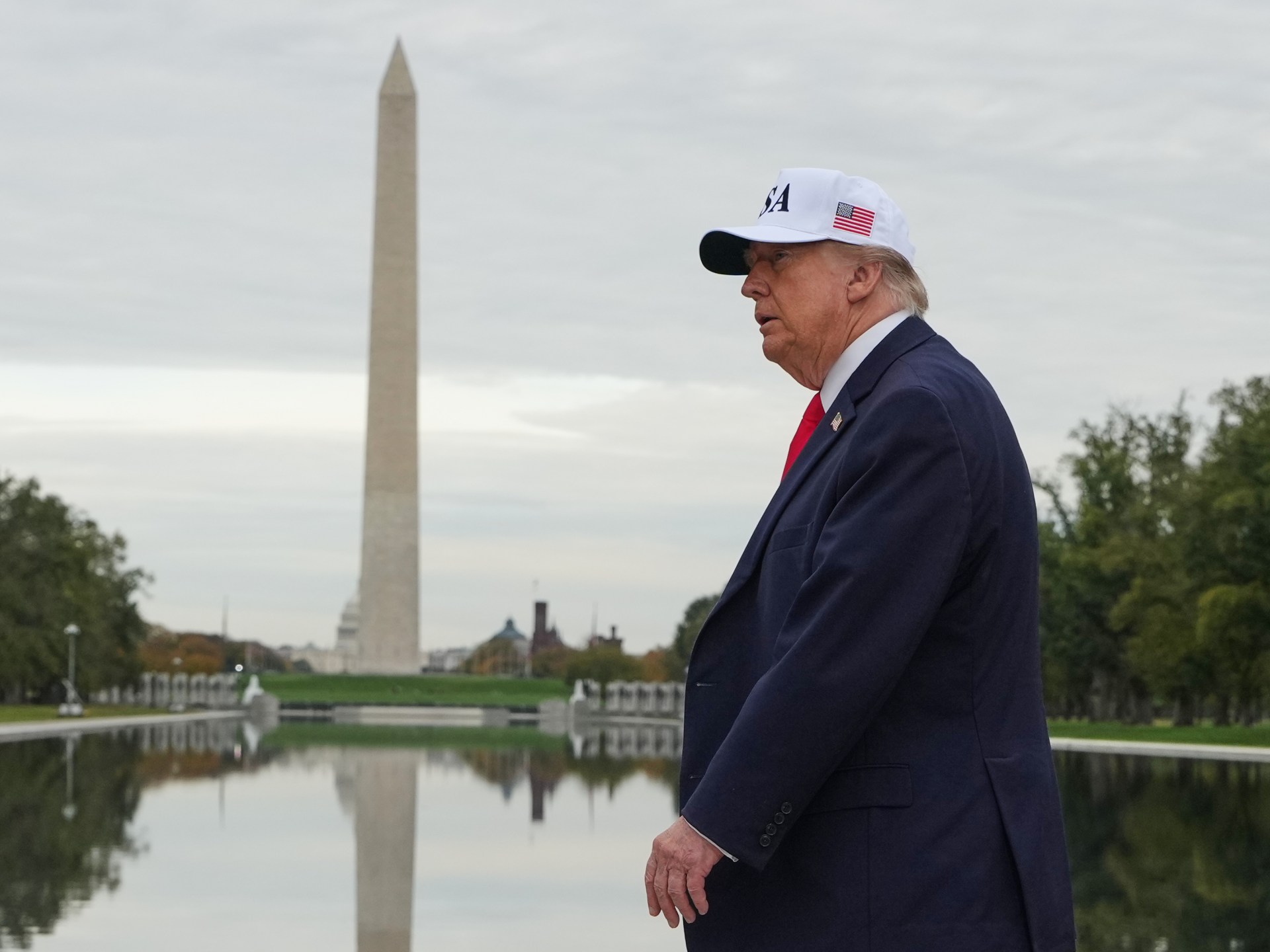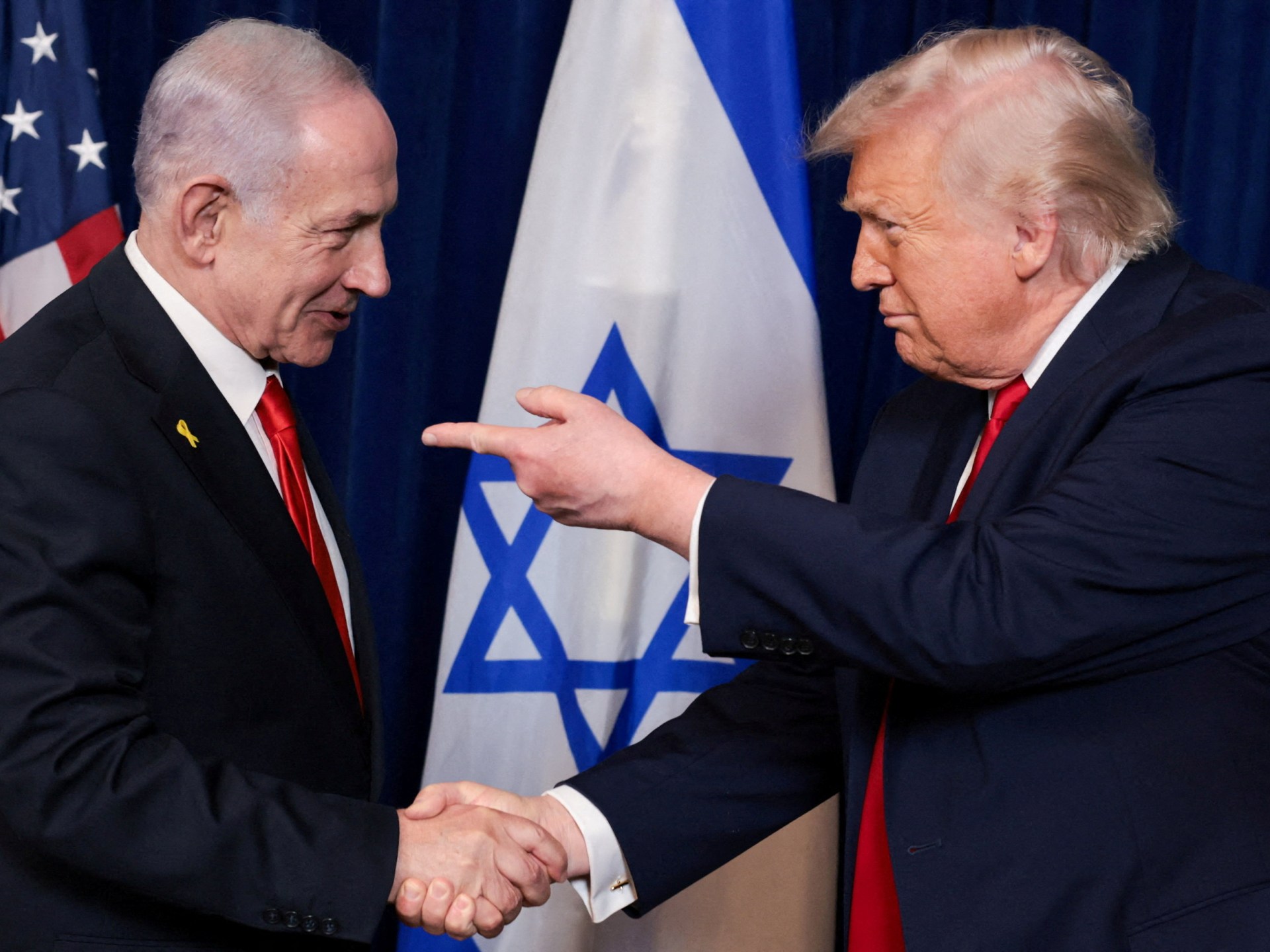
US President Donald Trump says Washington will stop paying Israel at the end of this year, citing a deal he says he reached with Prime Minister Benjamin Netanyahu several months ago.
Trump made the statement in a telephone interview with Fox News on Tuesday morning, the Daily Mirror reported in a dispatch credited to the BBC.
“As far as paying Israel, Bibi Netanyahu and I have made a deal that we give Israel $4 billion a year, and we made a deal months ago that we’re stopping,” he said.
“We’ve already agreed that by the end of this year we won’t be paying Israel,” Trump added. “Now we’ll help Israel if they need it.”
Two significant caveats
Neither the announcement nor the agreement behind it has been confirmed by the other party. Al Jazeera reported that there was no confirmation of the move from Israel’s foreign minister or from Netanyahu’s office. The BBC said it had contacted the White House for clarification and that the Israeli prime minister’s office had yet to comment.
The second caveat is constitutional. Al Jazeera’s Kimberly Halkett, reporting from the White House, noted that the money is appropriated by Congress and that Trump cannot end the aid unilaterally.
It is also unclear precisely which funds the president was describing. The memorandum of understanding that provides Israel with $3.8 billion in annual military assistance does not expire until the end of 2028 — a figure and a timeline that do not match the $4 billion Trump named or the year-end date he gave.
Netanyahu has said he wants the same thing
The idea is not new to the Israeli side. In a May interview with CBS, Netanyahu said he wanted to “draw down” US financial support “to zero” from the annual $3.8 billion Israel receives.
“Let’s start now and do it over the next decade, over the next ten years, but I want to start now,” he said. “I don’t want to wait for the next Congress.”
Hiru News, reporting the announcement at 9.20 p.m. Colombo time, carried the same core claim — that Trump will halt the $4 billion package at year-end following an agreement with Netanyahu reached months earlier.
The politics behind it
Trump accused Democrats of weaponising US assistance to Israel as a “talking point” with which to attack Republicans, and singled out Abdul El-Sayed, a Michigan Senate candidate and vocal critic of US support for Israel.
“Why should we suffer the slings from lunatics like an El-Sayed when they don’t need it?” he said.
Israel has been the largest recipient of US foreign assistance since the end of the Second World War. A congressional report published last year put the cumulative total at $174 billion, not adjusted for inflation.
Support remains substantially bipartisan but has been softening among Democrats since the start of the war in Gaza in October 2023. In July, Republican lawmaker Thomas Massie forced a vote on a bill to cut $3.3 billion in security aid to Israel; he was the only Republican to back it, 103 Democrats supported it, and it was defeated by 314 votes to 104. A Quinnipiac University poll in September found 48% of voters believe the US is too supportive of Israel.
Trump said Israel can still purchase weapons from the United States if necessary. The shape of any replacement procurement or investment arrangement has not been set out.