At least five oil tankers and a tugboat were damaged in and around the Strait of Hormuz, Iranian forces said on Thursday, as reports emerged that United States forces are preparing to resume major combat operations against Iran.
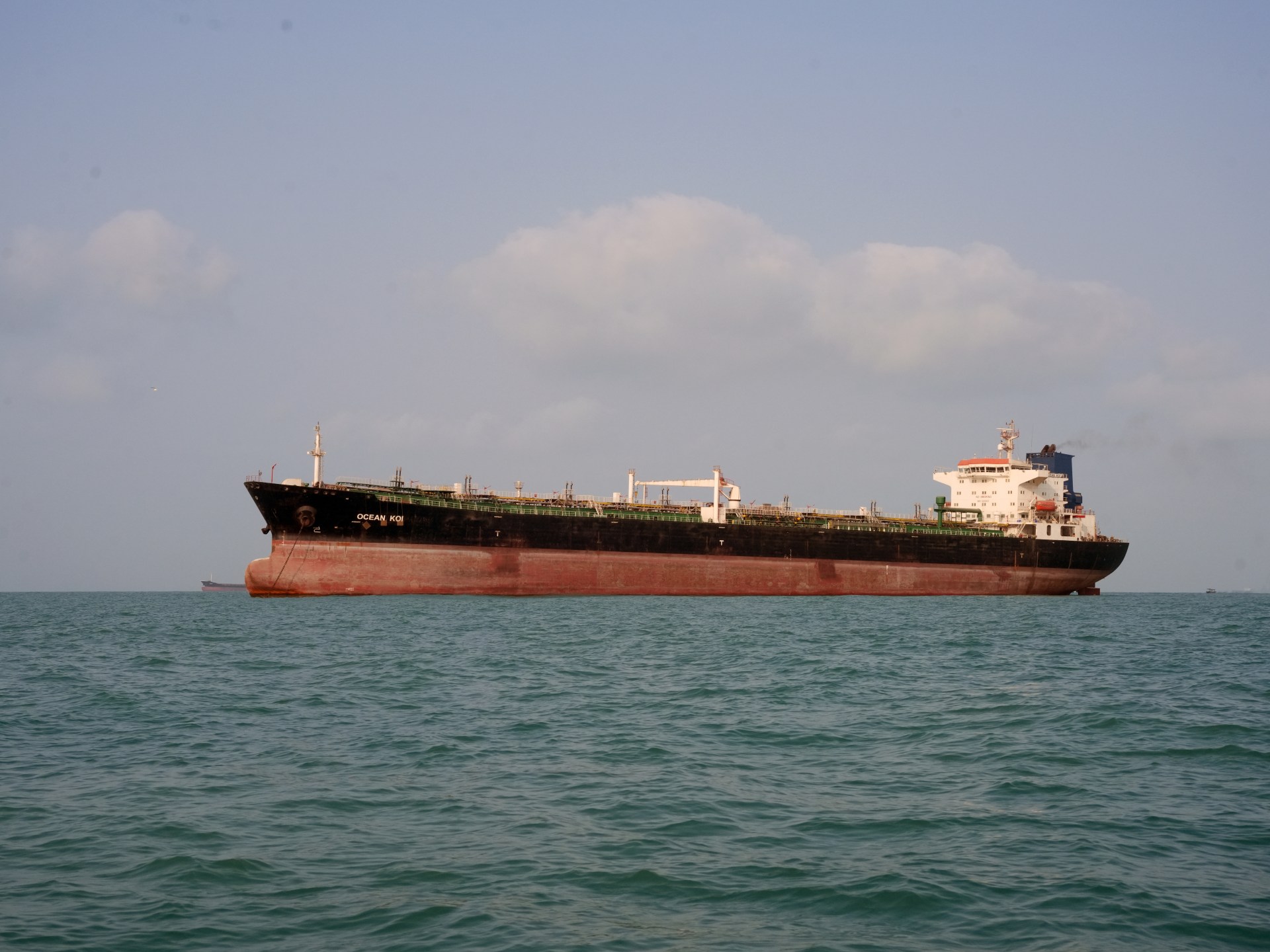
Iran’s Islamic Revolutionary Guard Corps (IRGC) said a large tanker attempting to pass through what it called an illegal passageway south of the strait struck a mine and caught fire, bringing the vessel to a halt. A second supertanker was stopped by a large fire while leaving the eastern end of the waterway.
A tugboat that approached the second vessel to help extinguish the blaze also caught fire, both Al Jazeera and Hiru News reported.
The Iranian army later said three further tankers had been hit by naval mines and caught fire in what it described as unsafe waters east of the strait. The British military separately reported a tanker struck by two projectiles off the coast of Qatar.
A waterway under restriction
The strait normally carries about one-fifth of global oil consumption. Since the war on Iran began in late February, Tehran has severely restricted traffic through it, designating permitted and prohibited routes and warning vessels away from areas it says are mined.
The only vessel identified by name in recent incidents is the Qatari LNG carrier Al Mayeda, damaged the previous week.
Pentagon sources told the New York Times that thousands of US air and naval forces are poised to resume major combat operations against Iran on President Donald Trump’s orders, Al Jazeera reported.
Why it matters for Sri Lanka
Sri Lanka imports virtually all of its crude and refined fuel, and shipments to the island pass through or originate near the Gulf. Disruption in the strait feeds directly into import costs and freight insurance premiums.
Crude prices nonetheless fell more than 8 percent this week after the US midterm result prompted traders to bet on an earlier end to the conflict — leaving the market pricing a de-escalation even as the attacks on shipping continued.