The Colombo Municipal Council has identified Mutuwal, Mattakkuliya, Borella and Kirulapone as high-risk dengue zones, with 3,400 cases reported across those four areas so far this year.
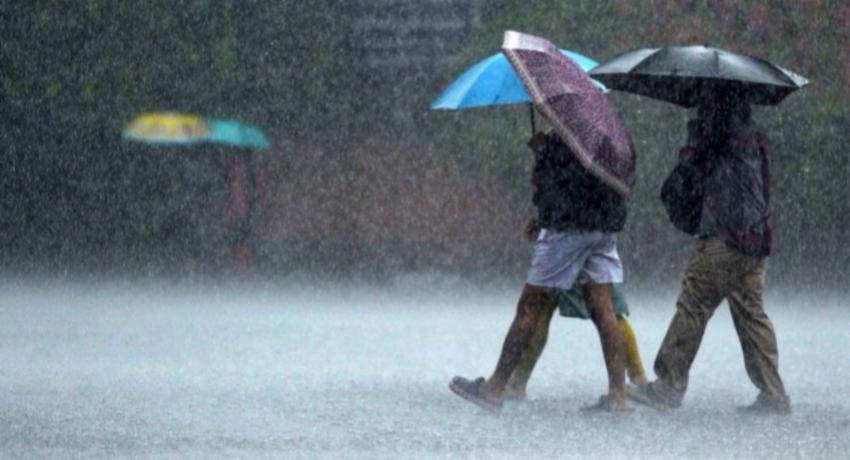
Within the Colombo Municipal Council boundaries as a whole, 165 cases have been recorded this month, and officials warn that continuing rainfall could push infections higher, NewsFirst reported on Tuesday morning.
How concentrated the caseload is
The zone-level figure is the first published breakdown of where Colombo’s dengue burden actually sits, and it points to a heavy concentration in a small number of areas.
This desk reported on Monday that the Colombo Municipal Council area had recorded 4,413 cases this year, a figure the Daily Mirror drew from National Dengue Control Unit data with a cut-off at midnight on 7 November. Set against that total, the 3,400 cases in the four named zones would represent roughly three-quarters of all dengue reported inside the municipality.
That comparison should be treated as indicative rather than exact. The two numbers come from different filings and different reporting bodies — one from the council, one from the national control unit — and the filings do not state a common cut-off date or confirm that the two counts are drawn on the same basis. The direction of the finding is nonetheless clear: dengue in Colombo is not spread evenly across the city.
The national picture
Island-wide, dengue cases have passed 107,651 this year, with the highest concentrations in the Gampaha, Colombo and Kandy districts. Eighty-one deaths have been recorded.
A special mosquito control campaign was launched on Monday and runs until 14 November. That drive is the National Dengue Prevention Week, which deploys joint inspection teams to find and destroy breeding sites, with particular attention to unoccupied premises, and runs cleaning programmes at schools, Pirivenas, universities and religious places.
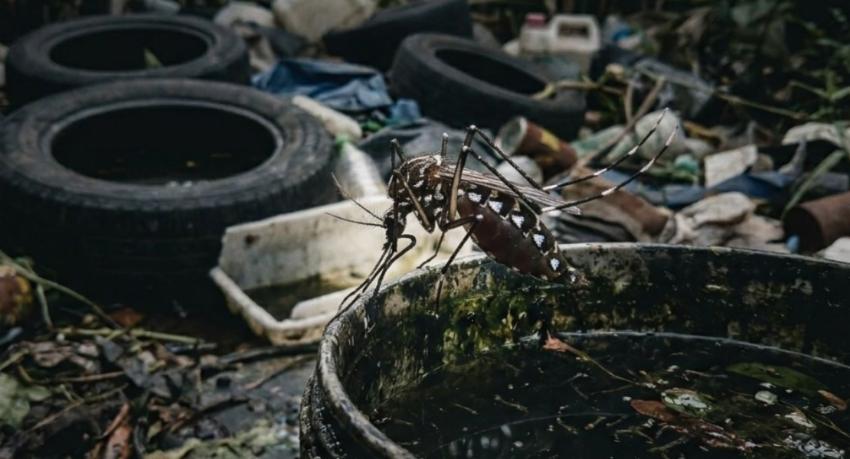
The warning about rainfall is well founded. Aedes mosquitoes breed in small pockets of standing water, and case numbers characteristically rise several weeks after heavy rain. The Meteorology Department expects more than 100mm of rain in parts of the Western Province and elsewhere on Tuesday, extending a wet spell that has run across the south-west for more than a week.
Not reported
The filing does not give a period for the 3,400 figure beyond “so far this year”, and does not say what threshold the council uses to designate a zone as high-risk or how many zones it assesses in total. It gives no breakdown of the 3,400 cases between the four areas, no death toll for the municipality, and no comparison with the same point in 2025. It does not say what additional measures, if any, the council is taking in the four named zones beyond the islandwide campaign already under way.
A note on sourcing
This report is single-source. The Daily Mirror and Hiru News rails were checked directly and carry nothing on the council’s zone-level assessment, and a search across verified Sri Lankan newsrooms returned only earlier dengue coverage. Readers should note that the four area names recur across years of dengue reporting — Mattakkuliya, Mutuwal and Kirulapone appear in eradication-campaign coverage going back several years — so the place names alone do not distinguish this assessment from earlier ones. What fixes this report in time is the 3,400 cumulative figure, the 165 cases this month and the Tuesday filing date.