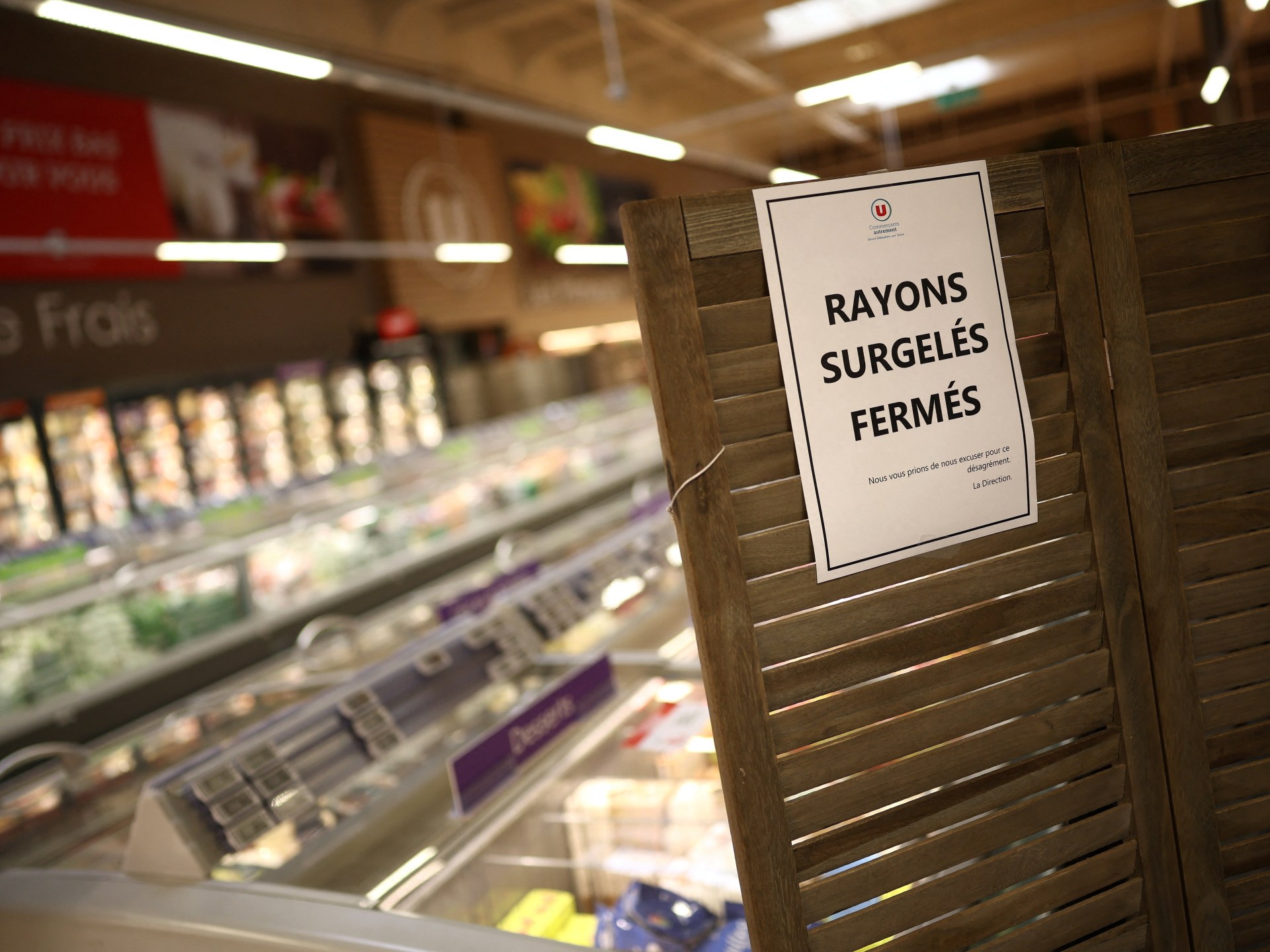
France has formally accused Iran’s Islamic Revolutionary Guard Corps of carrying out a cyberattack that disabled refrigeration at hundreds of French supermarkets last month, summoning Tehran’s ambassador and promising sanctions in response.
The attack took place on 11 and 12 October, according to Al Jazeera. Hackers connected remotely to supermarket refrigerators and freezers and raised their temperature by switching on defrost cycles, CNN reported, citing its affiliate BFMTV. Large quantities of fresh and frozen food were lost and some refrigeration units caught fire. Hiru News put the number of fires at at least 15 and the overall economic damage in the millions of euros.
Around 700 retailers were affected, CNN reported; Al Jazeera gives the figure as more than 700 supermarkets.
‘Unprecedented scale’
Foreign Minister Jean-Noël Barrot told reporters on Monday it was “an attack of unprecedented scale and unprecedented aggressiveness” and the first large-scale cyberattack carried out for sabotage purposes on French national territory. It “represents a major assault on the nation’s interests and on the security of the French people,” he said.
Barrot said France had established “with certainty” that the Revolutionary Guard was responsible, but declined to say how that determination was made. He predicted the Guards would “obviously” deny it because “they fear the response that we could make, and that we will make.” France has summoned Iran’s ambassador and intends to seek retaliatory sanctions “at a European level”.
The Paris prosecutor’s office accused Iran on Monday, citing “the use of Farsi and IP addresses pointing to devices located in Iran”. It has opened an investigation into the head of Shahid Kaveh, an offensive cyber unit affiliated with the IRGC, and his two deputies. Hiru News reported that French intelligence and cyber agencies named the groups CyberAveng3rs and Cyber Isnaad Front as having executed the operations.
Iran’s Foreign Ministry rejected the accusation on Tuesday as “baseless and hostile”, saying it “is intended to divert public opinion from France’s destructive policies toward Iran” and that Tehran “will not hesitate to take necessary and appropriate measures to protect its national interests and security against unlawful foreign actions.”
Not reported
The two outlets differ on whether the attack has spread. Al Jazeera reports later incidents in Belgium, Estonia, Ireland, Luxembourg and Sweden on 2 November; CNN names only Sweden, Belgium and Ireland and says it remains unclear whether those are linked to the French case. No one has claimed responsibility for them.
CNN notes that shortly after the United States and Israel launched strikes on Iran in late February, US intelligence agencies privately warned American companies and government bodies to stay alert to the threat of Iranian cyberattacks.