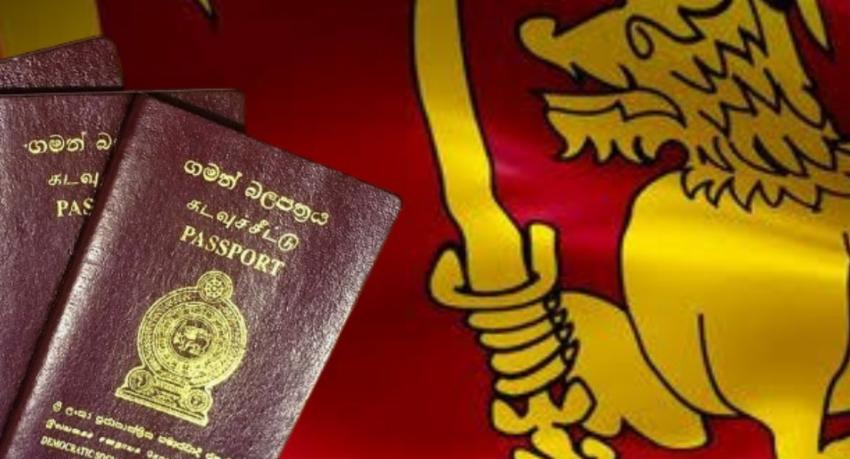
The Ministry of Foreign Employment and Tourism has issued a public advisory warning Sri Lankans not to travel overseas for work on visit visas, saying a large number of nationals are now in severe difficulty in Malaysia, Dubai and Oman after believing false promises of employment.
The advisory urges anyone seeking work abroad to go strictly through proper legal procedures rather than “putting their lives and futures at risk,” the Daily Mirror reported.
What the ministry says goes wrong
Working while on a visit visa breaks the host country’s own laws, the ministry says, exposing the worker to legal trouble, arrest, detention and deportation.
Those who travel through unauthorised channels, it adds, risk never receiving the job they were promised, having wages withheld, or being paid significantly less than agreed.
The advisory also warns that people working on visit visas are highly vulnerable to fraud and human trafficking, which it says can lead to loss of their passports, severe financial loss and acute mental distress.
Two sales pitches the ministry names
The ministry singles out two specific lines used on job seekers and tells the public not to be misled by either:
“Go on a Visit Visa and we will change it to a Work Visa.”
“You can find a job after you go there.”
Anyone travelling abroad for employment should register with the Sri Lanka Bureau of Foreign Employment (SLBFE) and depart only through established legal channels, the ministry says.
Why this keeps recurring
The visit-visa route persists because it is, in some destinations, a legal path that racketeers have learned to imitate. Relaxed visa rules in several Gulf states have historically allowed a genuine visitor to convert to a work visa after arrival — which gives an agent a plausible story for sending someone out with no contract, no registration and no recourse when the conversion never happens.
Foreign employment remains one of the country’s largest earners, and the state’s response this year has leaned on registration and welfare rather than interdiction: a directive on migrant workers’ welfare access in October, SLBFE loan schemes and housing credit, job fairs in Jaffna, and vocational training tied to placement. This desk has also reported compensation paid on migrant worker deaths and repeated recruitment fraud prosecutions at the other end of the same pipeline.
Not reported
The advisory, as filed, gives no numbers. It does not say how many Sri Lankans are currently stranded in Malaysia, Dubai or Oman, how many cases the ministry has recorded this year, or how the figure compares with previous years — so the phrase “a large number” cannot be checked.
It does not say whether the warning was prompted by a specific incident or batch of cases, whether any agents or recruiters are under investigation, or what consular help is available to those already stuck. No minister or official is quoted by name, and no deadline, penalty or enforcement measure accompanies the advisory.
A note on sourcing. Only the Daily Mirror had filed on this advisory at the time of writing, and its report carries no reporter byline — the metadata records “Administrator,” which on this masthead usually indicates a submitted statement reproduced rather than desk reporting. Searches of NewsFirst, EconomyNext, the Island, Daily FT and news.lk returned only older coverage of the same recurring problem, including a 2022 NewsFirst report on Sri Lankans working in Dubai on visit visas and EconomyNext’s reporting on registration being refused for UAE- and Oman-bound workers on tourist visas. None of those concerns this week’s advisory; they are a reminder that this warning has been issued before.