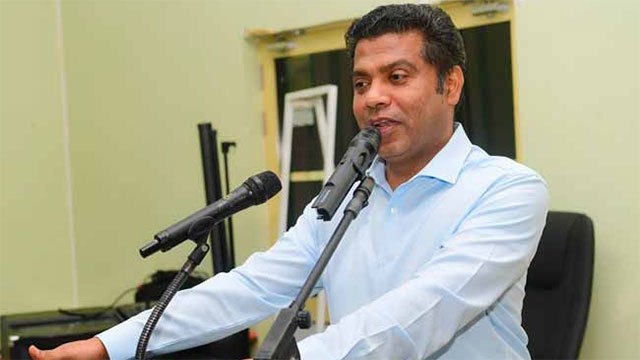
Health Minister Dr. Nalinda Jayatissa has launched a Rs. 31 billion programme to strengthen base hospitals across Sri Lanka, addressing facility gaps in the country’s secondary hospital network managed by both the central government and provincial councils.
The minister disclosed the allocation during an inspection visit to Wellawaya Base Hospital in Monaragala District on Thursday, Ada Derana reported. He toured the outpatient department, clinic complex, wards, pharmacy, emergency treatment unit, kitchen, drug storage, dialysis unit, laboratory, blood bank and ongoing construction projects, then held meetings with administrators, specialist doctors, nurses and other staff to identify service-delivery bottlenecks.
The programme, run by the Ministry of Health and Mass Media, aims to identify and address shortcomings in base hospitals to strengthen the public hospital system and improve patient care. Dr. Jayatissa commended hospital staff for maintaining services “despite existing resource constraints” and instructed officials to provide immediate solutions to issues that could be fixed without delay.
He also announced that the ministry has established a task force on non-communicable diseases (NCDs) to consolidate fragmented prevention efforts, saying disjointed operations among existing units had limited the effectiveness of interventions.
On a separate initiative, the minister said a group of urology specialists has proposed conducting voluntary kidney stone surgeries at multiple locations over the coming months to address a waiting list of around 2,000 patients. The ministry has approved staffing for a new surgical facility at Meerigama Base Hospital, where the programme is scheduled to commence on June 12, 2026. Dr. Jayatissa said the possibility of extending the voluntary surgery programme to Wellawaya Base Hospital would also be explored.
The base hospital upgrades land alongside the deadly Anguruwatota elders’ home fire that killed at least 12 people and prompted a mandatory registration drive for the country’s 455 elders’ homes, highlighting the gap in front-line health and welfare infrastructure outside the major teaching hospitals.
Source: Ada Derana.