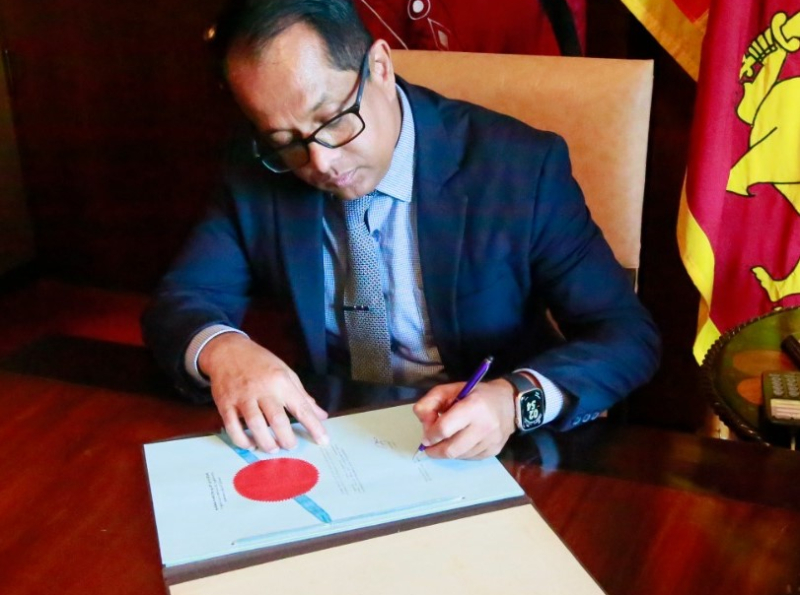
The Bar Association of Sri Lanka has urged President Anura Kumara Dissanayake to abandon a reported plan to amend the Constitution to raise the retirement age of judges of the Court of Appeal and the Supreme Court, calling the proposal a threat to judicial independence.
In a formal letter to the President, the BASL said the retirement ages of 63 for Appeal Court judges and 65 for Supreme Court judges, in place since the 1978 Constitution, should not be changed arbitrarily. The Association warned the move would erode public confidence in the legal system and raise questions about the Government’s commitment to an independent judiciary.
The BASL noted that the cadre of both apex courts had already been expanded under the 20th Amendment in 2020, reducing any practical need to push retirement ages higher. Altering the ages now, it cautioned, would be seen as interference with the judiciary and set a dangerous precedent for future governments to make ad hoc constitutional changes.
“The independence of the Judiciary and the public confidence reposed in it are indispensable pillars of the Rule of Law and the democratic framework of our Republic,” the BASL said, stressing that the judiciary must remain wholly independent and free from even the perception of influence.
The Association urged the President not to proceed with any such amendment.
The intervention is the second time in the past month that the BASL has publicly pushed back against the executive over judicial matters. In early May the Association issued a statement defending judicial independence after the President made remarks about pending cases at his May Day rally. A separate cross-party letter from opposition leaders had also flagged concerns to the Chief Justice in May.
The Colombo High Court Lawyers’ Association joined the pushback on Thursday with a separate letter to the President setting out four specific demands: withdraw the proposal, fill the existing Superior Court vacancies, affirm the government’s commitment to judicial independence, and consult the legal profession transparently on any future reforms. The association argued altering tenure without compelling constitutional justification would amount to “grave impropriety” and a rewriting of the compact between state and citizens, and warned extended tenures could leave judges presiding over cases involving the very legislation that prolonged their service. It dismissed any claim of necessity, noting Sri Lanka could draw fresh appointees from the Judicial Service, the Attorney General’s Department and the practising Bar, and accused the government of “dereliction of constitutional duty” by failing to fill current Superior Court vacancies.
The government has not yet made an official statement on the reported retirement-age proposal.
Update — June 7: The Free Lawyers’ Association on Sunday became the third bar-side organisation to formally oppose the amendment, issuing a statement that escalated the pushback in two ways. The group said there are currently eight vacancies in the Supreme Court and Court of Appeal and accused the President of failing for a prolonged period to fill them despite a constitutional duty to do so — a failure it described as a “serious constitutional breach” that could form the basis for an impeachment motion against the President. The association argued that extending tenure while leaving Superior Court vacancies open would not reduce case backlogs and raised “strong suspicions of having underlying motives,” warning the move could compromise the independence of the judiciary, Ada Derana reported.
Update — June 9: Cabinet Spokesman and Health and Mass Media Minister Dr. Nalinda Jayatissa told the weekly Cabinet media briefing that the Government has held no discussion to date on extending the retirement age of judges, marking the first formal executive-side response to the bar-side pushback. “There has been no discussion within the Government so far on extending the retirement age of judges,” Jayatissa said. He added that requests to raise the retirement age had been made from “various professional sectors” because life expectancy had risen and many professionals had emigrated during the economic crisis and the COVID-19 period, but said no proposal or decision concerning judges had been considered. Jayatissa noted the Government previously approved raising the retirement age of specialist doctors, medical officers and dental surgeons from 60 to 63 years. “Specifically with regard to judges, no such decision has been taken,” he said.
Update — June 12 (Commonwealth Lawyers Association): The London-based Commonwealth Lawyers Association on Friday became the first international body to formally caution Sri Lanka over the reported amendment, citing the BASL letter to the President in support. In a statement issued the previous day (June 11), the CLA said constitutional amendments should not be made in a piecemeal or ad hoc manner and must be preceded by adequate public and stakeholder consultation, invoking the Latimer House Principles and its own Goa Declaration 2023 to underscore that an independent, impartial and competent judiciary is essential to the rule of law. It warned that steps diminishing public confidence in the judiciary would be “antithetical to the rule of law,” and called on the Sri Lankan authorities to refrain from proceeding with the proposed amendment, resist piecemeal changes to the Constitution, ensure due process through consultation, and safeguard judicial independence. The CLA is an international non-profit organisation promoting the rule of law across the Commonwealth.
Sources
- BASL raises concern over reported move to extend judges’ retirement age — Newswire, June 3
- Colombo HC Lawyers oppose judges’ retirement age extension proposal — Newswire, June 4
- Free Lawyers’ organisation opposes move to extend judges’ retirement age — Ada Derana, June 7
- No discussion yet on extending retirement age of judges: Minister — Newswire, June 9
- Commonwealth Lawyers Association cautions Sri Lanka over judicial retirement age extension — Newswire, June 12