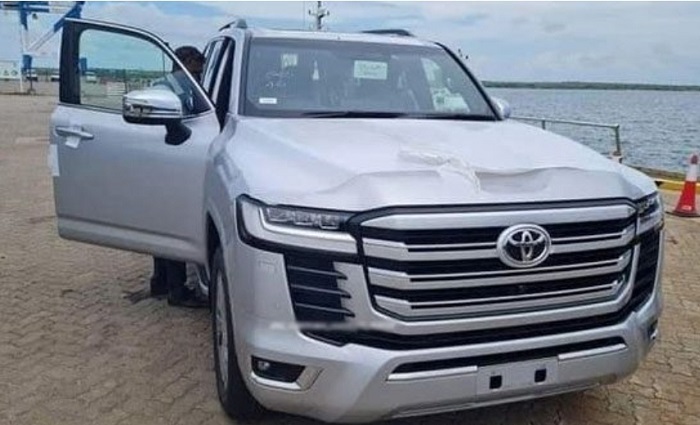
The Central Bank of Sri Lanka has cut the maximum loan-to-value ratios for vehicle financing for the second time in six months, with the new caps taking effect from May 25, 2026.
Under Directions No. 01 of 2026 signed by Governor Dr Nandalal Weerasinghe, the maximum LTV for commercial vehicles drops from 70% to 60%, while financing for motor cars, SUVs, vans, three-wheelers and other vehicles is capped at 40%, down from the 50% limit set in November 2025.
The Central Bank said the directions apply to unregistered vehicles and vehicles registered for less than one year. Registered vehicles in use for more than one year will also be subject to a 60% financing cap.
A transitional provision allows vehicles imported under Letters of Credit opened between 8 November 2025 and 25 May 2026 to continue qualifying under the previous limits.
The measures were issued under Section 105(1) of the Central Bank of Sri Lanka Act No. 16 of 2023 and apply to licensed banks, finance companies and registered finance leasing establishments.
The tightening lands on the same import-policy thread now under public scrutiny. Sri Lanka introduced a 50% customs surcharge on vehicle imports on May 16, and the LC activity around that date has drawn sustained criticism — Peradeniya economist Prof Wasantha Athukorala flagged anomalous LC volumes on May 15, while opposition figures including Mujibur Rahman alleged a gazette leak and the SJB’s Padukka branch cited Rs. 40bn in LCs as evidence of foreknowledge. Deputy Finance Minister Anil Jayantha and JKCG have both denied prior knowledge.
The May 25 LTV cut adds a fresh macroprudential brake on top of the customs surcharge, narrowing the credit channel through which vehicle imports have surged this quarter.
Sources: Ada Derana, Newswire.