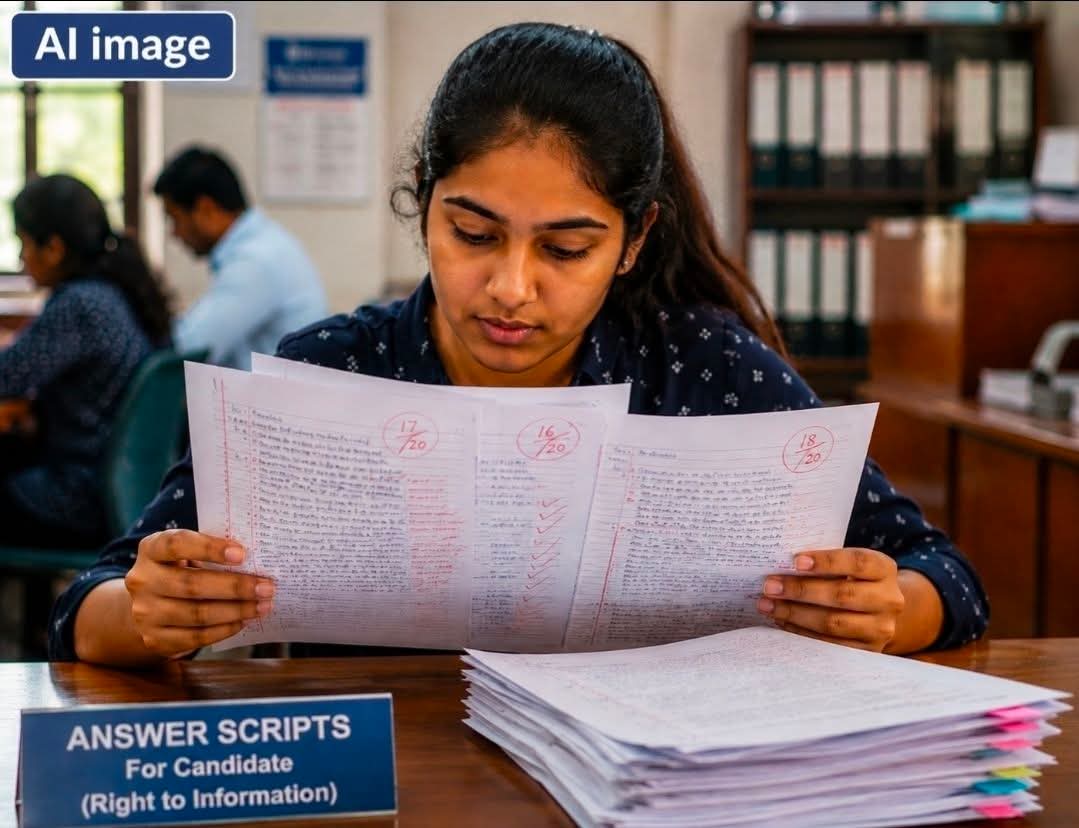
The Court of Appeal has ruled that examinees are entitled to access their own answer scripts and marks under the Right to Information Act, dismissing a petition by the Open University of Sri Lanka that sought to block such disclosures.
The judgment was delivered on May 8, 2026 by Justice R. Gurusinghe and Justice Dr. Sumudu Premachandra. It was reported by Newswire on May 11.
The case began when R.A. Janaka Roshan Ranasinghe asked the Open University to release his daughter’s answer scripts and marks from the LLB Selection Test held on January 8, 2023. The university refused, arguing that releasing examination material would compromise the integrity and confidentiality of the process.
The Right to Information Commission later directed the university to comply. The Open University then moved the Court of Appeal seeking revisionary jurisdiction to overturn that decision.
“I do not see any reason to refuse if an examinee requests their own answer script, which they wrote, and how it was marked,” Justice Premachandra wrote. The bench cited Article 14A of the Constitution and the RTI Act, observing that “there cannot be hide-and-seek games in higher institutions.”
The Court held that university by-laws cannot override the RTI Act and that the statute prevails over any conflicting institutional regulations. Examiners’ identities can remain confidential, the judgment said, but the scripts themselves cannot be withheld.
The bench cited Sri Lankan and Indian precedent supporting candidates’ right to inspect evaluated answer sheets. It found the Open University had failed to demonstrate exceptional circumstances that would justify revisionary intervention and dismissed the application.
The ruling sets a precedent for examination transparency that is likely to apply across public universities and other state examination bodies operating under by-laws inconsistent with the RTI framework.