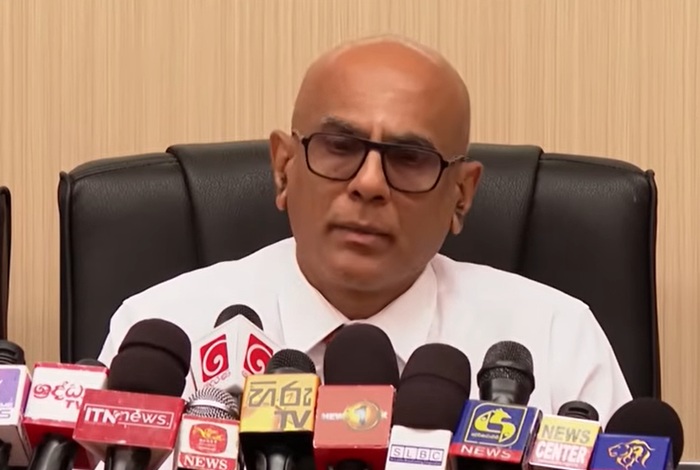
Ceylon Petroleum Corporation (CPC) is currently incurring a loss of Rs. 129 on every litre of auto diesel and Rs. 60 on every litre of Octane 92 petrol sold, CPC Chairman D.J. Rajakaruna said while explaining the latest fuel price revision.
Rajakaruna said the actual cost of supplying a litre of auto diesel is about Rs. 536, against the retail price of Rs. 407 — a loss of Rs. 129 per litre. A litre of Octane 92 petrol costs roughly Rs. 494 to supply but sells for Rs. 434, leaving CPC out of pocket by Rs. 60 per litre.
The Chairman said the government had been absorbing a significant portion of these losses in recent months to shield consumers from rising global oil prices, with Rs. 57 billion allocated to support fuel pricing. Those funds are now expected to be exhausted by the end of June, he warned, pointing to the rise in the global oil price and the country’s fuel import bill as the drivers behind the latest price revision.
Continuing to sell fuel at heavily subsidised rates would put further pressure on the economy and foreign-exchange reserves, Rajakaruna said. He urged the public to reduce fuel consumption where possible, cautioning that excessive use could deepen the strain on the rupee. The Chairman added that CPC would strengthen monitoring of fuel distribution through the QR code system and act against fuel station operators who fail to comply with required procedures.
EconomyNext reported separately, citing the IMF’s latest Staff Report on Sri Lanka, that the authorities have committed to compensate CPC for past losses through an “explicit on-budget transfer” and to publish a Cabinet decision ensuring “fuel subsidies are on budget, limited, and fully phased out by end-September 2026.” Cost-recovery pricing has not been met since April because increases only partially reflected higher costs following the Middle East conflict, the IMF said. CPC’s May fuel import bill jumped to more than US$ 520 million, up from US$ 100-120 million a month before the conflict, Rajakaruna told reporters.
The disclosure lands on the same day the International Monetary Fund formally confirmed that Sri Lanka has restored fully cost-reflective pricing for fuel and electricity, a precondition for the latest Extended Fund Facility review. CPC’s May fuel import bill jumped to US$524 million, and Sunday’s revision raised auto diesel by Rs. 15 to Rs. 407, prompting container hauliers to raise charges by 5 per cent and the Lanka Private Bus Owners’ Association to renew its push for an interim five-per-cent bus fare hike despite the National Transport Commission’s refusal.