Nearly six months after Cyclone Ditwah devastated the Kandy District, more than 1,630 affected families remain without permanent housing and continue to live under difficult conditions, Parliament was told on Tuesday.
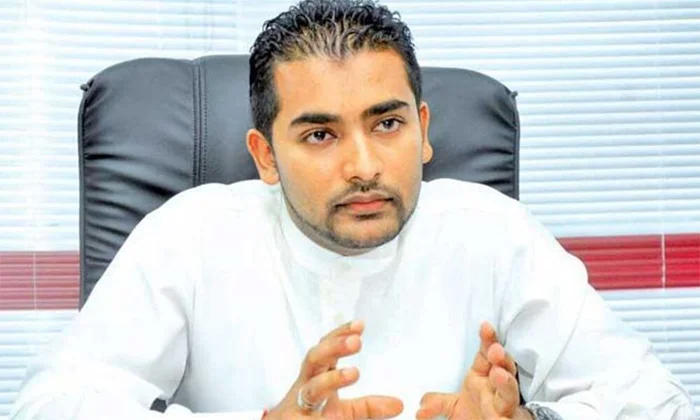
Raising the question, NDF MP for Kandy Anuradha Jayaratne said the six-month anniversary of the disaster would be marked on May 24, yet a large number of victims were still living with relatives, parents, friends or in rented accommodation because their homes had been destroyed.
“Some of the victims have received compensation, but 1,630 families have still not been provided solutions for the loss of their homes. This may amount to around 5,000 people. They continue to live in hardship,” the MP said, urging the government to inform Parliament of a specific time frame within which the displaced families would be resettled.
Responding for the government, Deputy Defence Minister, retired Major General Aruna Jayasekara, said the authorities were unable to provide an exact date for the completion of the resettlement process, but assured the House that efforts were continuing.
According to figures presented in Parliament, all 20 Divisional Secretariat divisions in the Kandy District were hit by the cyclone. A total of 6,119 families were affected, 1,660 houses completely destroyed and 11,352 partially damaged. Another 4,179 business establishments and 203 religious places sustained damage. Jayasekara said Rs. 625.9 million in compensation had been distributed so far.
He said 14 new housing projects had been proposed and construction had begun on five of them in Kandy Four Gravets and Gangawata Korale, Kundasale, Pahatha Hewaheta, Harispattuwa and Thumpane. Lands had so far been allocated to 302 families.
The disclosure underscores the slow pace of post-Ditwah housing reconstruction. President Anura Kumara Dissanayake last week instructed officials to deliver permanent solutions for displaced Kandy families before the end of the year. A separate digital compensation system was launched in mid-May to speed up payments to victims.