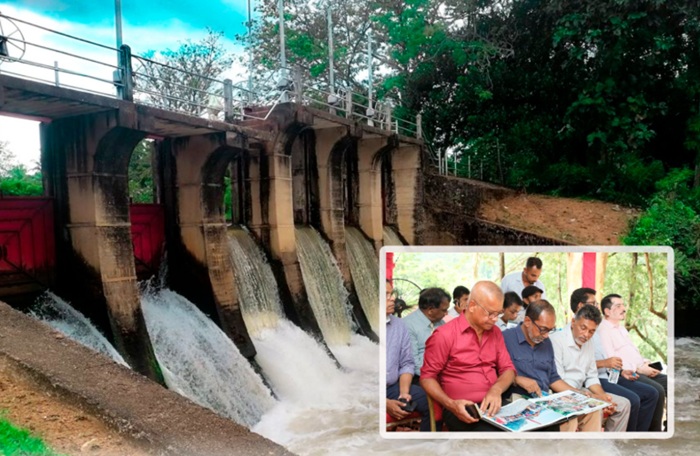
Restoration work on the historic Elahera Anicut commenced on Sunday under the national programme “Wari Mahima – Our Heritage,” with Rs. 309.1 million allocated for the first phase.
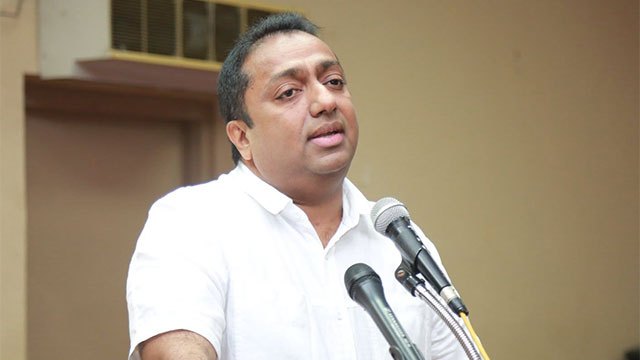
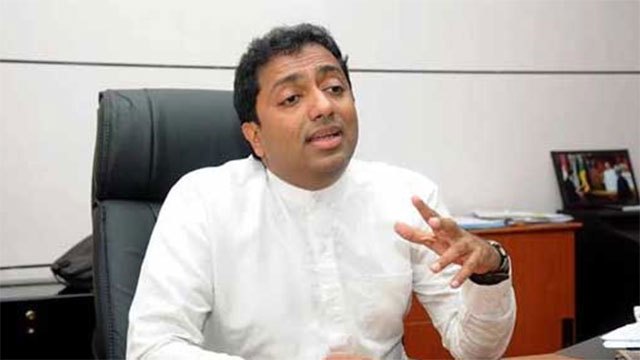
The Polonnaruwa heritage irrigation structure, severely damaged by November 2025’s Cyclone Ditwah, is now under formal reconstruction following ceremonial commencement led by Agriculture, Livestock, Lands and Irrigation Minister K.D. Lal Kantha, Minister of Buddhist, Religious and Cultural Affairs Hiniduma Sunil Senevi, and Deputy Minister of Housing, Construction and Water Supply T.B. Sarath.
Lal Kantha used the launch to emphasise the importance of paddy cultivation in the Polonnaruwa District, where roughly 90 per cent of the area depends on rice farming. He assured farmers that sufficient fertiliser stocks had been imported and that distribution for the Yala season had begun through agrarian service centres, with private institutions also authorised to distribute supplies — echoing his broader Yala fertiliser availability assurance issued the same morning.
The minister also stressed the need for economically viable, locally appropriate cultivation strategies and called for a stronger national focus on agrarian heritage sites.
The Elahera Anicut, originally constructed in antiquity to divert water from the Amban Ganga, has long been associated with Sri Lanka’s ancient hydraulic civilisation and remains in active use to feed paddy land across the Minneriya–Giritale system. Cyclone Ditwah caused $4.1 billion in damage nationally and triggered a sustained reconstruction programme that has now spread across interim housing, archaeological and religious sites, and Indian-backed bilateral recovery financing.
The Wari Mahima programme is the first dedicated funding stream targeting irrigation heritage damaged by the cyclone, distinct from the broader reconstruction task force led by Prime Minister Harini Amarasuriya.
Source: Newswire.