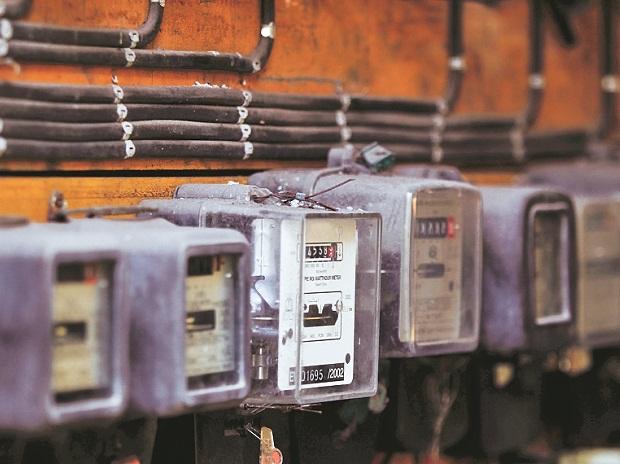
The revised electricity tariffs approved by the Public Utilities Commission of Sri Lanka (PUCSL) take effect on Monday, May 11, with trade unions warning that more than 60,000 businesses will be squeezed and industry representatives demanding that the increase be reversed. Ada Derana reported on Monday morning that the increases — averaging 8% to 14.4% — were rolling out as planned, after the National System Operator filed a revised cost estimate to PUCSL on April 27 citing higher fuel costs. The NSO had initially sought a 15% increase on top of the April 1 revision before submitting a revised, lower estimate.
Households using up to 180 units a month — roughly 95% of domestic consumers — are unaffected by the revision. Above that threshold, the bill increases scale sharply with usage. According to figures published by Ada Derana, a household consuming 210 units a month will see its bill rise from Rs. 9,570 to Rs. 11,330, an increase of Rs. 1,760. Consumers using 240 units face a Rs. 2,210 increase to Rs. 14,330, while those at 270 and 300 units will pay Rs. 2,660 and Rs. 3,110 more respectively.
Religious institutions are exempt from increases up to 180 units but face higher charges above that slab. Government institutions will see an average rise of around 11%, while small and medium-scale industries are largely unaffected. Large-scale industries face increases of around 18%.
Trade unions and industry representatives have pushed back hard against the revision. Unions estimate that more than 60,000 businesses will be impacted in addition to places of worship, and several industry voices have said they have no choice but to pass through the higher input costs to consumers, deepening cost-of-living pressures already present in the economy.
The government has pledged a Rs. 15 billion subsidy to cushion the impact on consumers, which will remain in place until September 30. The revision applies to the second and third quarters of the year and was approved by the PUCSL on Friday in response to a National System Operator submission citing rising fuel costs and an estimated Rs. 38 billion revenue shortfall.
Opposition Leader Sajith Premadasa called the increase “extortion of businessmen and industrialists” on Friday, framing it as the cost of substandard coal being passed on to consumers — the most prominent political response to the determination ahead of its Monday rollout.
Sources: Ada Derana — backlash, Newswire, Ada Derana — takes effect today.