Sri Lanka is set to overhaul its environmental regulatory regime through amendments to the National Environmental Act that will introduce load-based pollution charging, grant legal force to Strategic Environmental Assessments (SEA) for large-scale developments and impose stiff penalties for non-compliance during project construction, Environment Minister Dammika Patabendi has said.
To address the rising pollution of water sources, the bill introduces load-based charging — a fee system in which pollution charges are determined by the actual volume of contaminants discharged into the environment, replacing flat-fee approaches that have made enforcement weak.
A central shift in the bill is the mandatory requirement for industrial projects to obtain environmental recommendations before they are established, Central Environmental Authority Director General Kapila Rajapaksha said in remarks reported by EconomyNext. “Under this new amendment, it becomes a legal necessity to obtain an environmental recommendation relevant to the location where an industry is to be established before it is set up,” Rajapaksha said.
The bill formalises the SEA method so that regional development policies and land-use plans are evaluated for environmental impact at the formulation stage, rather than after projects are already underway. Within one month of receiving approval for any large-scale project, the investor must submit an Environmental Management Plan to the Central Environmental Authority. The EMP becomes a legally binding document under the amendment, and investors who fail to implement damage-prevention measures during construction face heavy fines or imprisonment of up to two years.
The bill also addresses gaps in chemical and hazardous-waste management. Sri Lanka has previously had monitoring mechanisms but lacked a legal framework for enforcement; the new provisions will establish a comprehensive licensing system covering the full lifecycle of chemicals, from initial entry and storage to final discharge or export.
The amended bill was formally submitted to Parliament on May 12 and is set for debate in the coming days, with the Central Environmental Authority empowered to take legal action against local government bodies that fail to comply with environmental directives and magistrates authorised to impose substantial fines on institutions that disregard court orders. EPL violations or failure to prevent major industrial hazards can result in immediate suspension or cancellation of licences, with provisions for temporary closure orders.
The framework also introduces dedicated chapters on hazardous waste and chemicals, Extended Producer Responsibility (EPR) holding manufacturers accountable for the full lifecycle of their products, and a specialised legal framework for wetland protection. A press conference at the Department of Government Information was chaired by Environment Minister Dr. Dammika Patabendi and Deputy Minister Anton Jayakody, with Ministry Secretary K.R. Uduwawala, Advisor Dr. Ravindra Kariyawasam and CEA Director General Kapila Rajapaksha in attendance.
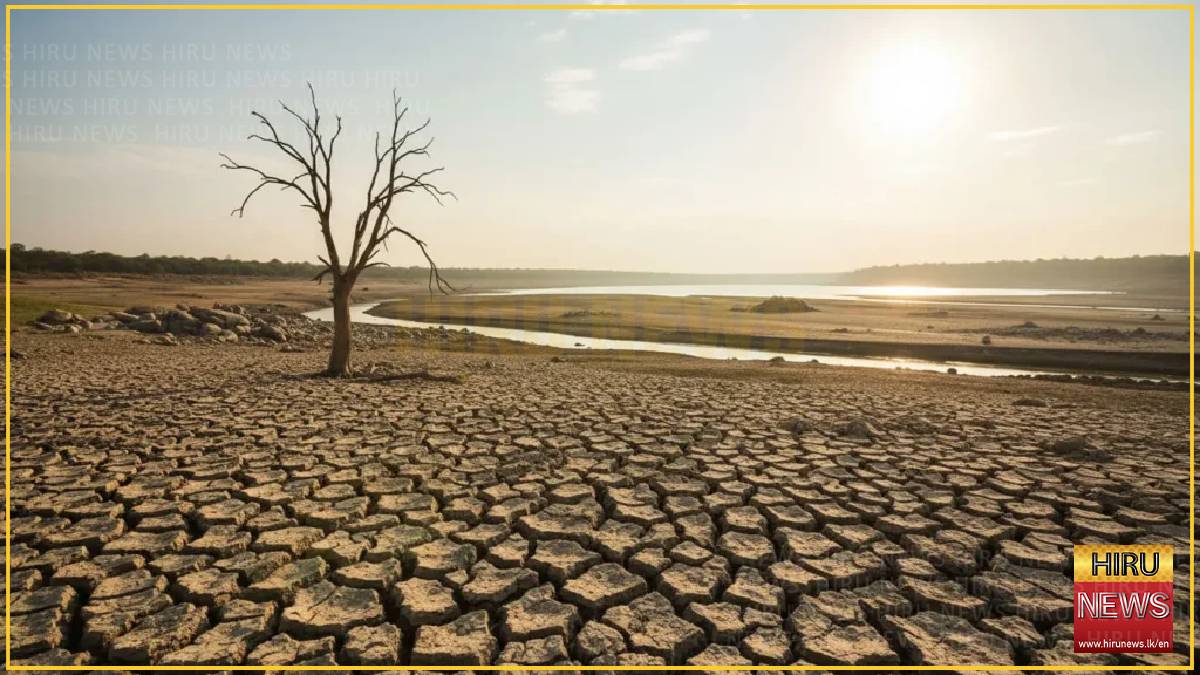
The amendments arrive against a backdrop of acute environmental and resource pressure on the island — from drying reservoirs that have curtailed hydropower output at Castlereigh and Maussakelle to a Central Highlands Protection Authority launched by President Dissanayake — and intersect with broader reforms targeting industrial pollution and chemical safety enforcement that had been long-flagged in past audit reports.
Sources: EconomyNext — Sri Lanka’s new environment bill to bring load-based fines, stricter project monitoring; Newswire — National Environmental Act amended after 24 years.