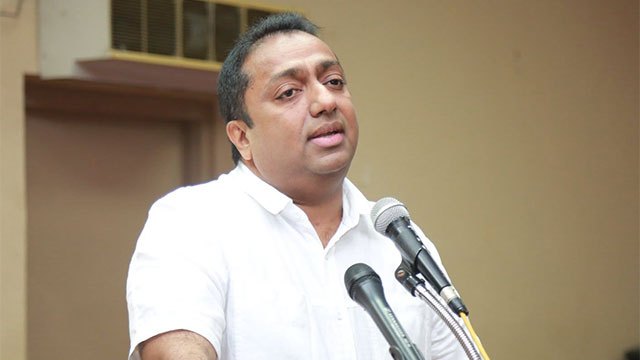
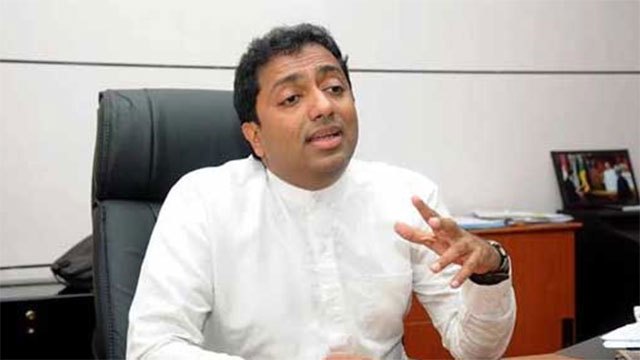
Retired Rear Admiral and former Sri Lanka Navy spokesman D.K.P. Dassanayake has alleged that India is pursuing a broader strategy that could use Sri Lanka’s provincial council system to expand its influence over the Northern and Eastern provinces.
Dassanayake claimed that developments around Katchatheevu Island and fisheries disputes are part of a wider geopolitical agenda, and that political dynamics in Tamil Nadu — driven by a large fishing community and influential financier groups — play a significant role in shaping Indian positions on Sri Lanka. Referring to actor-turned-politician Joseph Vijay, recently sworn in as Tamil Nadu Chief Minister, Dassanayake said his engagement with the Katchatheevu issue was aimed at consolidating political support among these groups, while the broader aim was access to Sri Lanka’s fisheries resources.
He said Indian fishermen are already in discussions with the Sri Lankan government to secure licences to harvest fish resources, and drew on his own experience to argue that such attempts have continued for nearly 60 years, including proposals to allow Indian fishermen extensive access to Sri Lankan waters in exchange for Sri Lankan fishing rights off Nagapattinam — set against the ongoing dispute over Indian trawler incursions in the Palk Strait.
The retired flag officer alleged the Indian central government operates under a broader “Akhand Bharat” vision that envisages connecting Sri Lanka through land links, electricity transmission cables and oil pipelines, effectively integrating the country as a province. He warned that if elections were held in the Northern and Eastern provinces and governors aligned with external interests were appointed — citing proposed names such as Shanakyan for the East and M.A. Sumanthiran for the North — there could be moves to secure land and police powers within those provinces.
Dassanayake said that in such a scenario, if governors did not intervene, even the President would be unable to prevent the developments, and pointed to ongoing discussions on constitutional amendments as another potential mechanism. The claims, framed throughout as allegations by the retired officer, were not corroborated by other officials at the time of publication and add to a wider public-discourse undercurrent on India’s regional posture following the TVK government’s Mullivaikkal remembrance statement.
Source: NewsFirst.