Fitch Ratings has cut its 2026 forecast for global growth by 0.2 percentage points to 2.4%, citing the oil price shock from the US-Iran war as the dominant downside risk in its latest Global Economic Outlook, EconomyNext reported on Saturday.
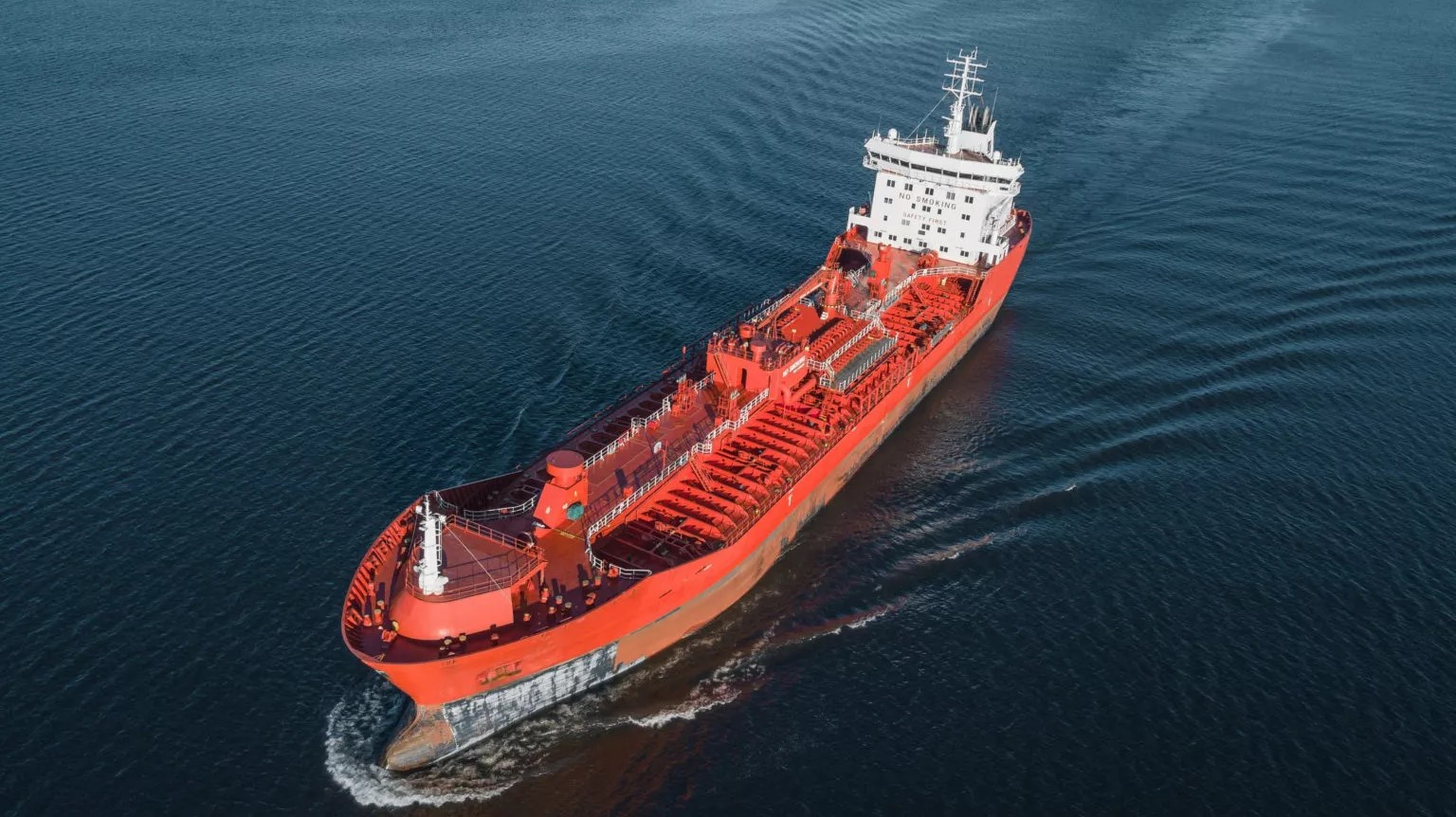
The agency revised its 2026 average price assumption for Brent crude to $87 per barrel, up from $70 in its March outlook, on the assumption that the closure of the Strait of Hormuz — now in its 14th week — will not begin to reopen until July. US growth was cut by 0.3pp to 1.9% and the eurozone by 0.4pp to 0.9%. Emerging markets excluding China were lowered by 0.2pp to 3.2%, while China’s forecast was raised by 0.3pp to 4.6% on stronger-than-expected first-quarter data and export resilience. Korea’s forecast was also raised on technology-led export strength.
“The oil price shock is hitting world growth prospects and increasing downside risks,” chief economist Brian Coulton said. “But we are also amid a very pronounced boom in global spending on IT and that is cushioning the impact on activity in the near term, particularly in Asia.”
US information-technology investment grew 18% year-on-year in the first quarter and global semiconductor sales rose 80% year-on-year in March, helping lift first-quarter GDP prints in Korea, Taiwan and China and pushing US capital goods imports up nearly 30%. Fitch said the technology cycle was offsetting some of the oil drag for now, but warned that Hormuz remained the single biggest swing factor for the global outlook.
Under an adverse scenario in which oil averages $100 per barrel through 2026, equity prices fall 10% and credit conditions tighten, Fitch projects US growth slowing to 0.8% over the next 12 months, eurozone growth to 0.3% and Chinese growth to 3.4%.
The agency said the inflationary impact of the shock was reshaping the global monetary policy outlook. With memories of the post-pandemic price surge still recent, central banks were keen to demonstrate credibility and anchor expectations even as labour-market pressures softened. Fitch now expects the US Federal Reserve and the Bank of England to hold rates this year and resume cuts in 2027, while the European Central Bank is forecast to raise rates by 25 basis points in June before reversing the move next year.
The downgrade builds on a wave of similar 2026 growth cuts tied to the war. The OECD this week put the global slowdown on a par with the pandemic shock and the Asian Development Bank earlier flagged a 0.8 percentage point GDP hit to Sri Lanka from the conflict. Fitch’s base case implies sustained pressure on Sri Lanka’s fuel import bill, current account and rupee through the second half of 2026, with a further escalation likely to widen the gap.
Sources: EconomyNext.