The government is considering scrapping the odd-even fuel distribution system and replacing it with a QR-code-based scheme alongside an increase in weekly fuel quotas — the most concrete policy signal yet that the rationing regime imposed during the height of the energy crisis may be lifted in the coming weeks.
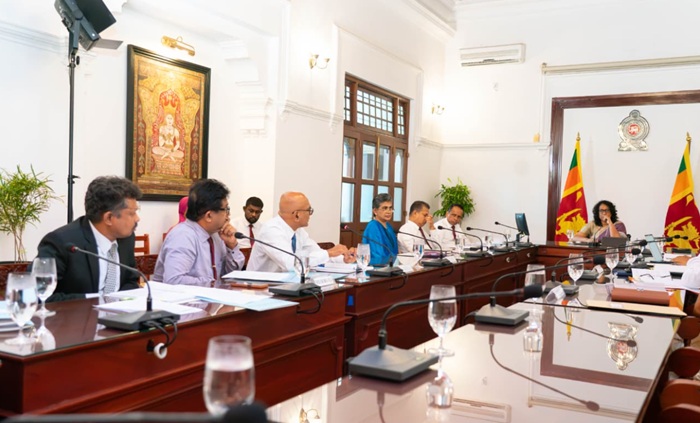
The announcement came at the sixth meeting of the committee on maintaining continuity in public service, held at the Prime Minister’s Office under Prime Minister Harini Amarasuriya. The Prime Minister’s Media Division said the panel discussed removing the current odd-even system “and to provide fuel under a QR code.” Officials confirmed that Sri Lanka has sufficient fuel stocks secured through August 2026, and that requests have been issued to lock in supplies for the remainder of the year.
“We managed the crisis so that it did not become a burden on the people. In other countries, there are fuel queues and power cuts, but we handled it properly. The crisis is not over yet, so we must continue to act with vigilance,” PM Amarasuriya told the meeting.
The session also discussed appointing dedicated Energy Managers at every state institution, accelerating a shift to renewable energy and introducing Green Building Standards under the national Clean Sri Lanka programme. The Prime Minister stressed that public education on sustainable energy management was now essential, and added that electricity supply during Vesak week must be assured.
The meeting was attended by the Prime Minister’s Secretary Pradeep Saputhanthri, Presidential Chief of Staff B.K. Prabath Chandrakirthi and secretaries from the ministries of public administration, health, transport, and energy.
The signal builds on President Anura Kumara Dissanayake’s May 13 disclosure that diesel cost the state Rs.720 a litre and the IMF’s pointed May 14 press briefing on the Rs.100 diesel subsidy and cost recovery, suggesting Colombo is positioning to normalise distribution before the August stock horizon expires.