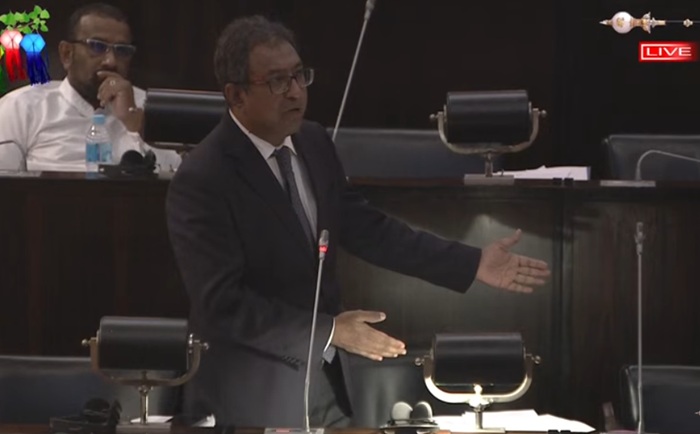
Samagi Jana Balawegaya MP Dr. Harsha de Silva has warned that Sri Lanka’s foreign exchange market has effectively frozen, with no bids or offers being quoted and most transactions now passing through the Central Bank as counterparty.
“Today there isn’t even a rate in the market. There isn’t a single bid or offer,” de Silva said in an address on Wednesday, describing what he called an unprecedented breakdown in trading activity. The Bank of Ceylon selling rate had recently reached 354 rupees to the dollar, evidence of mounting pressure that has tipped the market into dysfunction.
The opposition economic spokesman framed the collapse as structural rather than cyclical. “Markets operate on trust. If market trust collapses, the market itself collapses,” he said, arguing that political assurances that Sri Lanka would not be allowed to fail were no substitute for clear, transparent signals on monetary policy.
De Silva said the rupee was now caught in a “vicious cycle” — exporters withholding foreign currency in anticipation of further depreciation while importers rush to lock in dollars before rates potentially breach 375. The behaviour is worsening liquidity and accelerating the slide.
He questioned how Sri Lanka could expect foreign investment or progress on flagship projects such as Colombo Port City when there was no functioning price discovery in the currency market.
De Silva said restoring stability may require a sharp policy response, including a possible policy rate increase of 50 to 100 basis points within the coming week. He cautioned that such a move would raise the government’s borrowing costs and ultimately translate into higher taxes on the public.
The warning lands as the rupee TT selling rate hit Rs.354 at close, capping a record depreciation cycle that has placed the currency among Asia’s worst performers in May and prompted opposition leader Sajith Premadasa to call for early IMF successor talks.