Update — June 5: The rupee closed at Rs.335.50/336.25 in the spot market on Friday, recovering from an opening of Rs.336.00/338.00 and the previous day’s close of Rs.336.90/337.50, EconomyNext reported. Bond yields closed down across the curve. Deputy Finance Minister Anil Jayantha Fernando rejected the opposition’s “economic crisis” framing in a video circulated to media, saying the currency was “returning to its normal state through the operation of market forces” and that the recent slide reflected external shocks — including Middle East developments that had increased import-side dollar demand — rather than any underlying breakdown. Fernando noted that the dollar had briefly exceeded Rs.350 before easing to around Rs.330 after Central Bank policy interventions, with a slight uptick in recent days. He pointed to the approximately USD 695 million IMF disbursement as having strengthened reserves, and said export earnings, tourism revenue and remittances had all continued to rise.
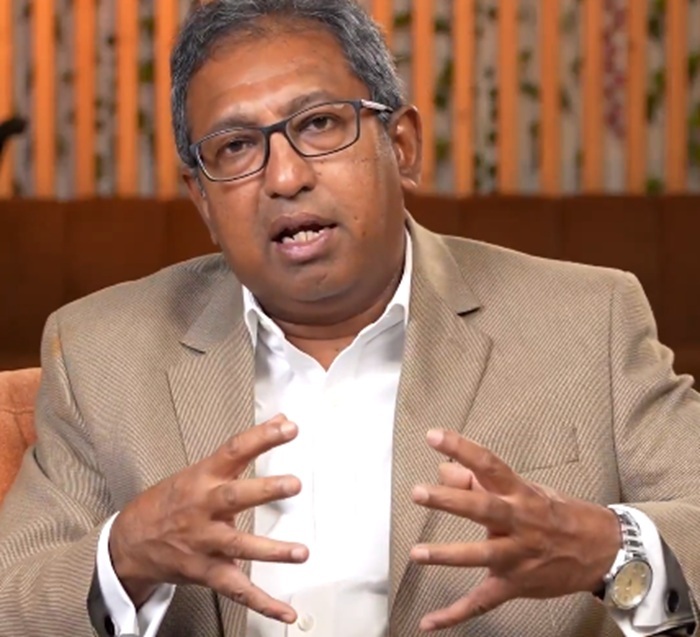
Opposition MP and economist Harsha de Silva said on Thursday that the US dollar had climbed to around Rs.342 on official rates and was trading above Rs.345 on the unofficial market, arguing that the slide was being driven primarily by a weakening of confidence in the government’s economic management rather than by any sudden change in fundamentals.
Speaking on the current economic situation, the Samagi Jana Balawegaya parliamentarian said currency markets were “largely driven by confidence” and warned that public confidence in the government’s ability to manage the rupee was “gradually weakening”, Newswire reported.
De Silva said recent measures, including the Central Bank’s 100-basis-point increase in the Overnight Policy Rate to 8.75 percent on May 26, had provided only temporary relief before the rupee resumed its downward trend. He pointed to a backlog of demand for foreign currency as importers began settling Letters of Credit opened ahead of the 50 percent vehicle import customs surcharge and other recent tightening measures.
Some overseas Sri Lankans were delaying remittances in anticipation of further rupee depreciation, the MP added, and certain exporters were holding back their export earnings for the same reason — behaviour that, he warned, could “intensify pressure on the currency” in a self-reinforcing cycle.
The remarks came hours after the rupee selling rate breached Rs.340 at multiple commercial banks in the sharpest one-day fall of the cycle, with Seylan Bank quoting Rs.342 at the top of the day. The current account flipped into deficit in April for the first time in 2026 as the monthly fuel import bill hit a record USD 886 million, and Central Bank Governor Nandalal Weerasinghe warned on Monday that headline inflation could climb to 7 percent if Middle East oil pressure persists.