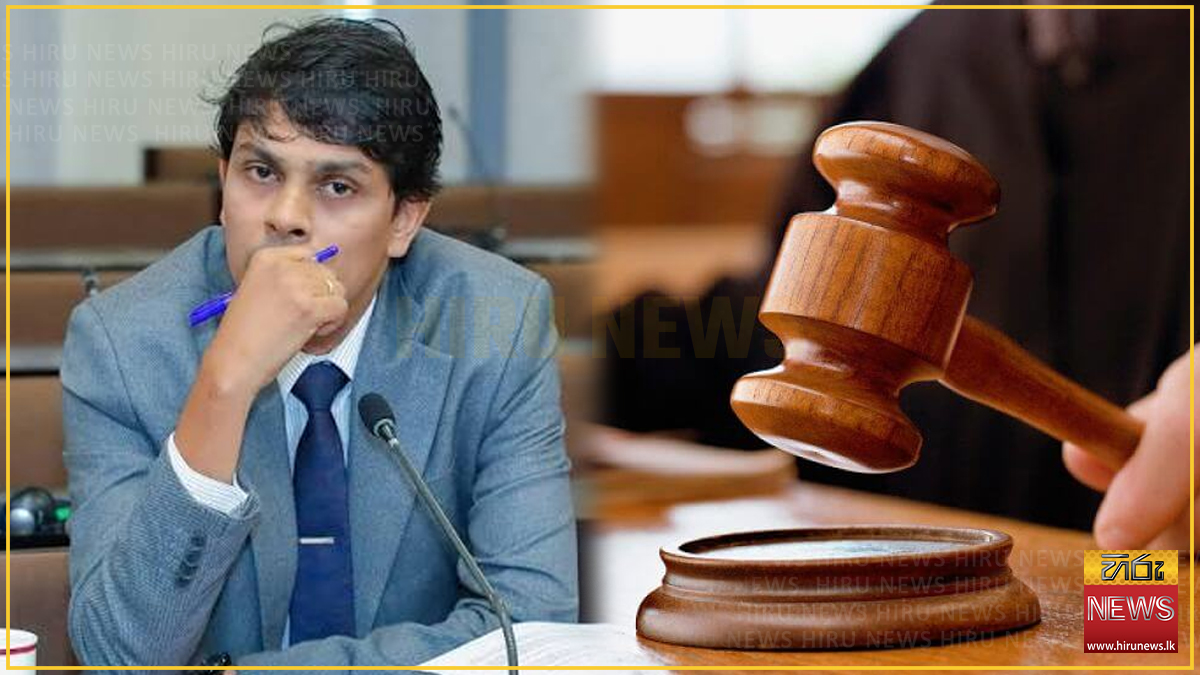
The Human Rights Commission of Sri Lanka has ruled that the arrest and suspension of Prisons Commissioner General Thushara Upuldeniya were carried out in violation of proper legal procedures, finding that his fundamental rights were breached.
CID and Justice Ministry named
The Commission’s investigation, triggered by a complaint from Upuldeniya himself, concluded that both the Criminal Investigation Department and the Secretary to the Ministry of Justice violated constitutional provisions in connection with the arrest and suspension.
The ruling is significant because it formally establishes that a state institution — the CID — acted outside constitutional bounds when detaining a senior public official. The Justice Ministry’s role in authorising the suspension was also deemed improper.
Broader accountability context
The finding adds to a series of accountability developments in recent weeks. The reinstatement of SP Lakshman Cooray following a 14-year detention, and CIABOC’s ongoing asset declaration proceedings against former President Mahinda Rajapaksa, reflect a heightened focus on due process and institutional accountability.
Upuldeniya’s case could set a precedent for how law enforcement agencies handle the arrest of serving government officials, potentially requiring stricter adherence to procedural safeguards even in high-profile investigations.