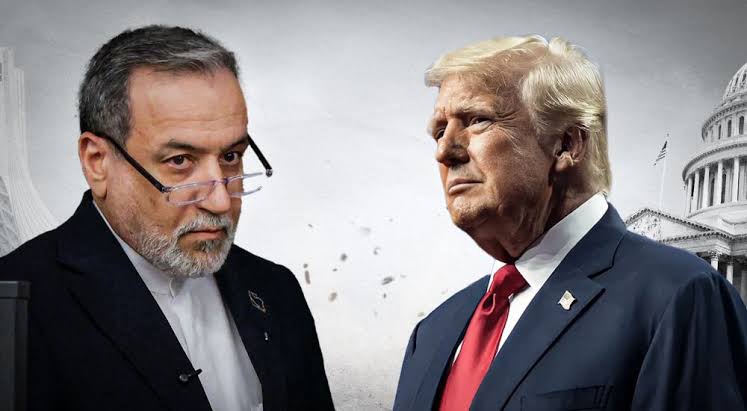
A senior Iranian official has said the Strait of Hormuz could be reopened in a “controlled way” ahead of Tehran’s formal meeting with the United States, adding a cautious new qualifier to the two-week ceasefire announced earlier in the day.
The framing, reported by Daily Mirror, softens the “complete, immediate and safe opening” that President Donald Trump had set as his condition for suspending military operations. Iranian Foreign Minister Seyed Abbas Araghchi had earlier indicated Tehran would cease defensive operations if US attacks stopped, but had not used the word “controlled” in describing the passage of commercial shipping through the strait.
Pakistan has invited both sides to sit down in Islamabad during the ceasefire window, and talks are expected to begin as early as Friday. Pakistani Prime Minister Shehbaz Sharif and Army Chief Field Marshal Asim Munir brokered the truce after direct conversations with Trump, and Islamabad is now positioning itself as the primary diplomatic venue for any longer-term settlement.
The “controlled” language is important for Sri Lanka. The island’s entire fuel crisis response — nine April shipments, the QR-code rationing regime, and the Rs. 100 billion relief package — is built on an assumption that Hormuz will reopen unconditionally. A phased or conditional reopening would delay tanker scheduling and keep refined-product premiums elevated even after oil prices fell nearly 16 percent on the ceasefire news.
Officials on both sides continue to describe the agreement as fragile. Iran’s separate demand for war reparations before any permanent settlement has not been withdrawn, and Israeli strikes on the Lavan refinery and UAE intercepts in the hours after the truce have already tested its credibility.