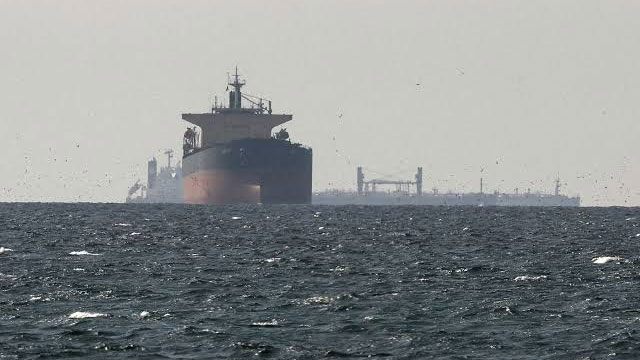
Iran and Oman plan to charge transit fees on vessels passing through the Strait of Hormuz during the two-week US–Iran ceasefire, Iran’s semi-official Tasnim News Agency reported, citing state media. The arrangement would apply while the Strait remains open to commercial shipping under the Pakistan-brokered truce.
Ada Derana relayed the announcement on Wednesday. The amount to be levied, the enforcement mechanism, and the date from which the fees would apply were not immediately specified in the wire report.
The move effectively monetises the reopening and means shipping costs through one of the world’s most strategic chokepoints could remain elevated even after Iran agreed to lift its blockade. Roughly 20% of global seaborne oil trade transits the Strait of Hormuz, and tanker rates and war-risk insurance premiums have surged during the weeks of conflict between Israel, Iran, and allied forces.
For Sri Lanka, the additional fees would affect every fuel shipment heading to Colombo from Gulf suppliers and partly offset the sharp oil-price drop triggered by the ceasefire. Sri Lanka’s nine planned April fuel shipments — secured earlier this month after emergency rationing measures — are expected to pass through Hormuz. Any persistent premium on refined products may mean the relief at the pump is smaller than the roughly 16% fall in crude prices would imply.
The announcement aligns with earlier Iranian signals that the reopening would be “controlled” rather than unconditional, and with Tehran’s demands for cargo declarations from vessels using the waterway. It also follows the Iran-Israel flare-up that saw the Lebanon front reactivated hours after the ceasefire was signed.