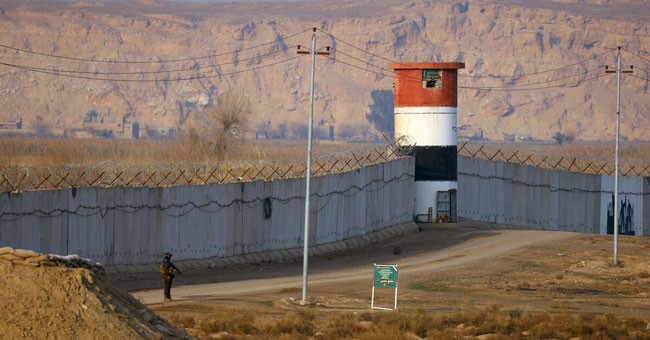
Iraq and Syria have reopened a key border crossing between the two countries for the first time in more than a decade, with officials highlighting its potential as an alternative trade and oil export route amid the Iran war and the Strait of Hormuz disruption.
At the opening ceremony on Monday, Nadia al-Jubouri, a member of Iraq’s Nineveh provincial council, said the crossing would enable “trade exchange and oil transportation towards this great gate.”
The reopening is being framed by both governments as a partial response to the Hormuz shutdown, which has closed off the principal maritime route for Middle East crude exports for nearly two months. Agencies cautioned, however, that overland oil movement is far less efficient than pipelines or tankers and cannot substitute at scale for the volumes previously transiting Hormuz.
The development coincides with growing international interest in alternative oil routes that bypass the contested waterway. For Sri Lanka, which has been pushed to pay Hormuz risk premiums well above pre-war levels on each crude shipment, any easing of global supply routes could ultimately filter through to fuel import costs — though the immediate impact is expected to be limited.
The Iraq–Syria border has been a geopolitically sensitive frontier since the Syrian civil war, and the reopening follows recent normalisation steps between the two countries.
Ada Derana sourced the story to AP. See also: Trump says Hormuz blockade stays until Iran deal and oil prices with Brent at $96.