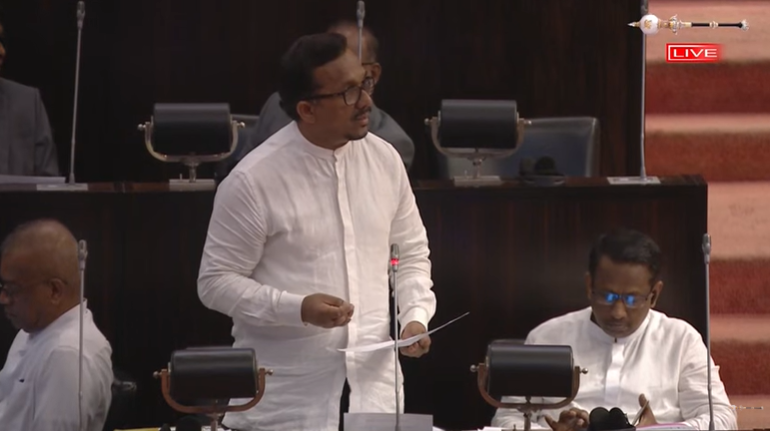
Sri Lanka is developing a new National Mineral Policy for 2026 that will mandate domestic value addition before raw minerals can be exported, Mines and Minerals Minister Sunil Handunetti told Parliament, in the most substantive shift to mineral-sector governance since the country’s 1999 policy framework.
“The current policy dates back to 1999. We are now developing a new National Mineral Policy for 2026 in a manner that fits the present day,” Handunetti said, according to EconomyNext.
The new framework will cover the full lifecycle of the sector — mineral exploration, mining, processing and value addition — under a single comprehensive policy, the minister said. The shift comes amid concerns that holders of previously issued exploration licences had failed to launch actual mining operations, leaving Sri Lanka’s mineral base under-utilised.
Handunetti said of 12 currently valid licences, six are held by state-run institutions including Lanka Mineral Sands, Kahatagaha Mine, Eppawala and Bogala. The lack of local processing has forced the country to export natural resources “in their rawest forms without significant economic gain,” he said.
“Consequently, what usually happens is that these are exported from our country as raw materials. Instead of that, our expectation is to export our mineral resources only after value addition has taken place,” Handunetti told the House.
The 2026 policy aims to strictly enforce value-addition mandates, ensuring future mineral exports generate higher domestic revenue and support local industry development before consignments leave the country.
The policy revision follows a tightening pattern in mineral-sector oversight that has included the suspension of Mannar sand mining permits earlier in May pending a new licensing framework. Handunetti, a former chairman of the parliamentary Committee on Public Enterprises, has been a vocal critic of past mineral-export practices since taking the portfolio in the NPP cabinet.