The National System Operator Private Limited (NSO) has called for international bids to modernise Sri Lanka’s core grid management infrastructure, in a tender issued under the Asian Development Bank-backed Power System Strengthening and Renewable Energy Integration Project (PSSREIP).
At the heart of the project is the integration of a Renewable Energy Management System (REMS) with a fully upgraded SCADA/EMS platform at the National System Control Centre. The Island reported that the upgrade is the digital backbone required for managing a grid that is increasingly dominated by intermittent solar and wind sources, with current dispatch capabilities limiting how much renewable generation can be safely absorbed.
“This is not just another infrastructure upgrade — it’s a systems transformation,” a senior power-sector analyst told the paper. “Without this layer of intelligence, scaling up solar and wind becomes operationally risky.”
The tender sets a high bar for bidders, requiring prior experience in similar contracts exceeding US$6 million and a minimum average annual turnover of US$16 million, suggesting major international engineering and energy technology firms are expected to compete. Bids close on May 14, 2026, with implementation expected to span approximately 18 months from contract award.
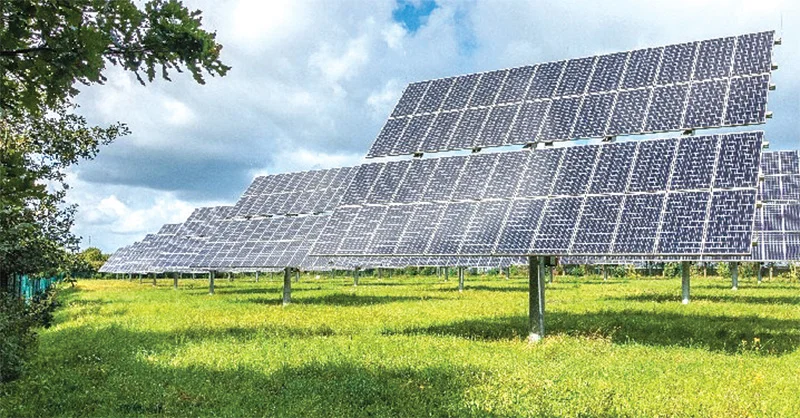
ADB involvement brings procurement discipline through its Open Competitive Bidding framework, which analysts cited as a safeguard for transparency and technical quality. The project lines up with the Cabinet’s recent approval of seven new solar projects and follows years of friction over grid stability under heavy rooftop-solar inverter loads and the temporary CEB shutdown of new rooftop solar connections this month.
Rising generation costs, fuel-import pressure and demands for tariff stability have intensified the urgency for system-efficiency gains, the report said, noting that the NSO is currently before the PUCSL with a Q2 tariff revision request. NSO is the successor entity to the CEB for system operations.