Diplomatic pressure on the United States to de-escalate the Strait of Hormuz standoff intensified on Tuesday, with Pakistan proposing a second round of US-Iran talks and Saudi Arabia warning that the naval blockade risks triggering wider regional conflict.
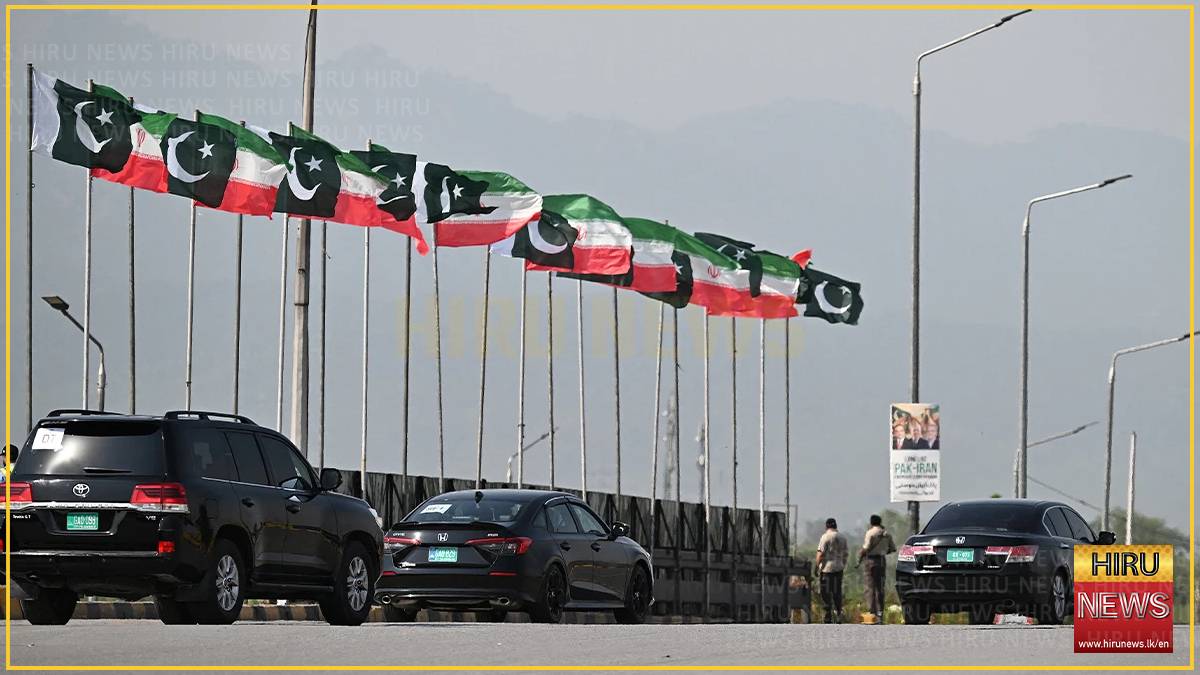
Pakistan has offered to host another round of negotiations in Islamabad before the current short-term truce arrangement expires. Two Pakistani officials, speaking on condition of anonymity, said the proposal would depend on whether both parties agree to the venue. One official described the first round of talks as part of an ongoing diplomatic process rather than a one-off effort, despite their collapse over the weekend.
US Vice President JD Vance stated that the “ball is in Iran’s court” regarding any deal to end the conflict. On Monday evening, two US officials speaking anonymously confirmed that discussions are underway for a second round of talks, with Thursday (April 17) cited as a possible date. The venue, timing, and delegation composition have not been finalised, but Pakistani officials described the process as ongoing rather than a one-off effort.
Separately, Saudi Arabia is pressing Washington to reconsider the blockade, warning that it could provoke Iran into targeting other strategic maritime routes, including the Bab al-Mandeb Strait in the Red Sea. The Strait of Hormuz handles roughly 20% of global oil and gas shipments, and Saudi officials fear Iran could retaliate by expanding attacks on energy infrastructure across the region.
The dual diplomatic push comes as the US naval blockade of Iranian ports remains active. Oil prices retreated below $100 on Tuesday on hopes that dialogue may yet avert a prolonged standoff, though analysts warn any breakdown could rapidly reverse market gains.
For Sri Lanka, which faces an ongoing fuel supply crisis, a diplomatic resolution would be critical to stabilising energy costs and supply chains.